Las Vegas Transit Overhaul: Monorail Tracks to Become Part of Tesla Tunnel Network
Imagine gliding through the neon-lit arteries of Las Vegas at speeds that defy the city’s usual chaos—no traffic lights, no gridlock, just a silent, frictionless ride beneath the desert sky. What if the iconic monorail, once a symbol of the city’s futuristic aspirations, were to become the backbone of a far grander vision? A vision where Tesla’s subterranean tunnels, those labyrinthine arteries of innovation, swallow the elevated tracks whole. The result? A transit overhaul so audacious it could redefine urban mobility forever.
The Monorail’s Metamorphosis: From Steel to Subterranean
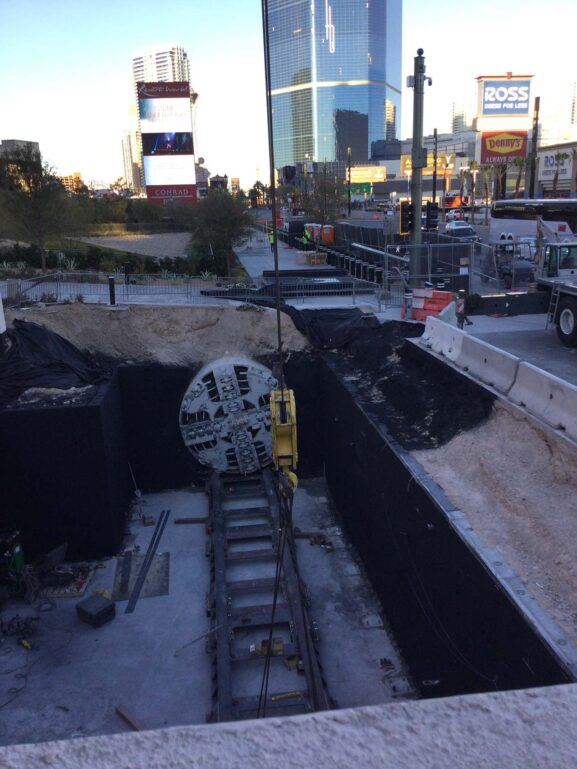
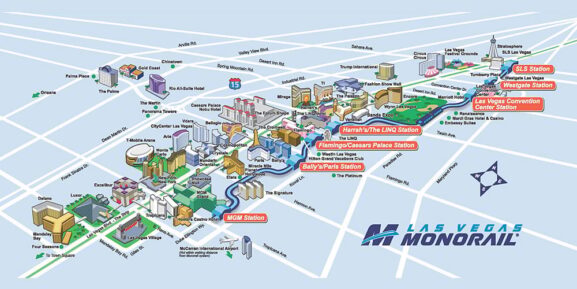
The Las Vegas Monorail has long been a marvel—a sleek, elevated serpent winding through the Strip, ferrying tourists and locals alike. But steel and concrete, no matter how polished, are relics of an older era. Enter the Tesla tunnel network, a project born from Elon Musk’s frustration with surface traffic. These tunnels, bored deep beneath the city, promise speeds of up to 150 mph, a feat the monorail could only dream of. By integrating the existing monorail infrastructure into this subterranean web, Las Vegas could transform its transit system into a seamless, high-speed circulatory system. The monorail’s elevated beams could serve as entry points, funneling passengers into Tesla’s autonomous pods, which would then whisk them through the city’s underbelly at velocities that make the Strip’s current pace seem sluggish.
The Challenges Beneath the Neon: Engineering the Impossible
Yet, for all its promise, this vision is not without its thorny obstacles. The first hurdle is structural. The monorail’s concrete pillars, designed to support trains gliding above, were never meant to interface with subterranean tunnels. Retrofitting them to act as access points would require seismic-grade reinforcement—no small feat in a city built on shifting desert sands. Then there’s the issue of capacity. The monorail’s current ridership, while steady, pales in comparison to the volume of traffic Tesla’s tunnels aim to handle. Merging the two systems without causing bottlenecks would demand a level of predictive modeling and real-time traffic management that even the most advanced AI has yet to perfect.
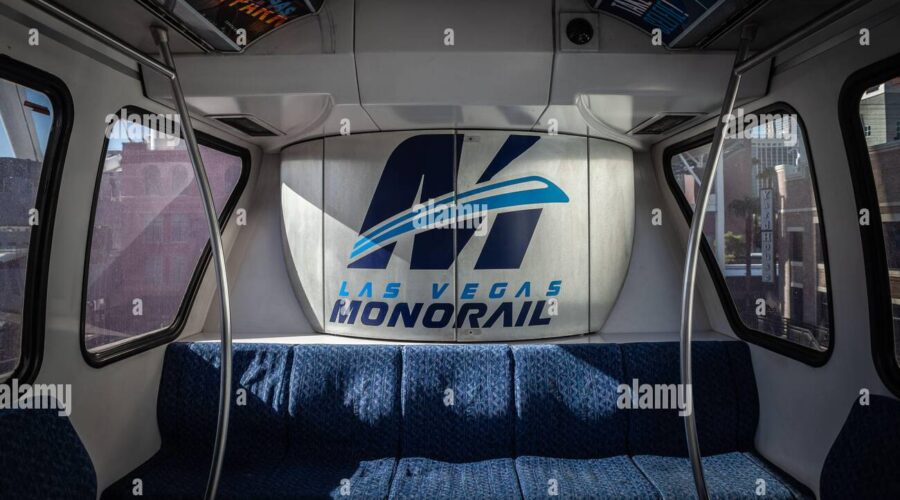
And what of the passengers? The monorail’s open-air design offers a spectacle of the city’s dazzling skyline. Would travelers trade this aerial promenade for the claustrophobic intimacy of a tunnel? The psychological shift from above to below could be jarring. Then there’s the matter of ventilation. Tunnels, no matter how advanced, require meticulous air circulation to prevent the buildup of heat and pollutants. In a city where the air itself can feel like a furnace, this is no trivial concern.
The Economic Alchemy: Turning Transit into a Tourist Magnet
If executed with precision, this transit overhaul could become more than just a logistical triumph—it could be an economic catalyst. Imagine a Las Vegas where the journey is as memorable as the destination. Tourists could disembark from their flights, step into a Tesla pod, and arrive at their Strip hotel in minutes, bypassing the usual chaos. The monorail’s stations, repurposed as sleek, subterranean portals, could house retail, dining, and entertainment hubs, turning transit time into leisure time. The city’s carbon footprint would shrink, its reputation as an innovator would soar, and its residents would finally have a transit system worthy of the 21st century.
But the real magic lies in the ripple effects. A successful integration could set a precedent for other cities grappling with aging transit systems. Why replace when you can repurpose? Why elevate when you can excavate? Las Vegas, with its penchant for reinvention, could become the proving ground for a new era of urban mobility—one where the past and future collide in a symphony of steel and silicon.
So, as the sun sets over the Strip and the neon begins its nightly dance, consider this: the next time you board a train in Las Vegas, you might not be looking up at the skyline. You might be looking down into the depths of a tunnel, hurtling toward a future where the city’s pulse beats not just on its surface, but beneath it.