AI to Automate 90000 Hospitality Jobs in Las Vegas by 2035: Study Finds
In the neon-lit sprawl of Las Vegas, where the clatter of slot machines once harmonized with the murmur of cocktail waitresses and the rhythmic cadence of housekeeping carts, a seismic shift looms on the horizon. By 2035, artificial intelligence could render nearly 90,000 hospitality jobs obsolete—a revelation that stirs equal parts awe and unease. This isn’t merely a forecast; it’s a reckoning with the relentless march of automation, a force that has long whispered promises of efficiency while casting shadows over livelihoods. The question isn’t whether this transformation will occur, but how society will navigate its consequences.
The Automation Imperative: Why Las Vegas Leads the Charge
Las Vegas has always been a city of extremes, where excess is not just tolerated but celebrated. Its hospitality sector, a colossal engine of employment, thrives on the predictable rhythms of check-ins, room service, and concierge requests—tasks tailor-made for algorithmic precision. AI doesn’t tire, doesn’t demand overtime, and doesn’t require health insurance. In an industry where margins are razor-thin and guest expectations are perpetually escalating, the allure of cost-cutting through automation is irresistible. Robots don’t call in sick during a convention weekend, nor do they need motivational speeches before the Super Bowl weekend rush. The city’s reliance on transient labor, often supplemented by an influx of gig workers, makes it a prime candidate for disruption. Yet beneath this economic pragmatism lies a deeper truth: Las Vegas has always been a testing ground for societal evolution, from mob-run casinos to the first mega-resorts. AI is merely the next frontier.
The Human Cost: Who Bears the Brunt of Progress?
The specter of 90,000 displaced workers is more than a statistical projection; it’s a human tragedy in the making. Housekeepers, bellhops, and front-desk clerks—many of whom are immigrants or single parents—face an uncertain future in a city where the cost of living already outpaces wages. Unlike manufacturing jobs, which often relocate to regions with cheaper labor, hospitality roles in Las Vegas are uniquely vulnerable because they cannot be outsourced. The automation wave here won’t just reshape industries; it will upend communities. Social safety nets, already strained, will struggle to absorb the shock. Vocational retraining programs, though well-intentioned, often fail to account for the emotional toll of career upheaval. The irony is stark: a city built on spectacle and service may soon find itself grappling with the very people who once fueled its grandeur.
The Paradox of Efficiency: Can Las Vegas Afford to Automate?
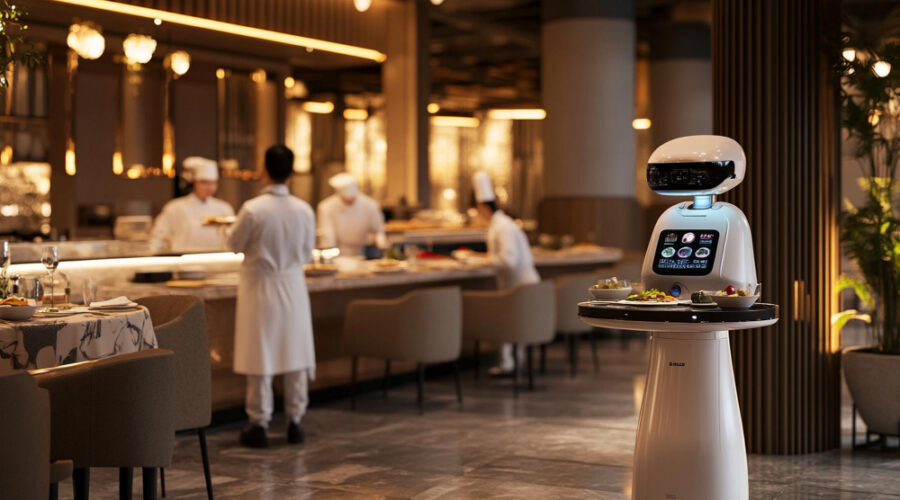
Proponents of AI integration argue that automation will elevate the guest experience, freeing humans to focus on high-value interactions—personalized service, conflict resolution, and creating memorable moments. Yet this narrative glosses over a critical flaw: the soul of hospitality lies in its humanity. A robot can deliver a towel, but can it sense the exhaustion in a gambler’s voice at 3 AM? Can it improvise when a guest’s child has a meltdown in the lobby? Las Vegas’s allure has always been its ability to make visitors feel seen, even in a city of millions. If automation strips away that authenticity, will the city lose its competitive edge? The paradox deepens when considering the economic ripple effects. Fewer jobs mean less disposable income, which in turn could dampen tourism—the lifeblood of the local economy. The city may gain in short-term profitability, but at what long-term cost?
The Unseen Hand: Who Really Benefits?
While the headlines focus on job losses, the beneficiaries of this transition remain largely invisible. Corporate shareholders, tech developers, and property owners stand to gain the most, their profits insulated from the human fallout. Venture capitalists funding AI startups in hospitality will reap rewards, while the displaced workers are left to navigate an increasingly precarious job market. Even the guests, often portrayed as passive beneficiaries of automation, may find their experiences homogenized into a series of transactional interactions. The true winners are those who control the algorithms—the invisible architects of this new order. Their decisions will shape not just Las Vegas, but the very definition of service in the 21st century.
As the clock ticks toward 2035, Las Vegas stands at a crossroads between progress and preservation. The city’s identity has always been fluid, adapting to each era’s innovations, from the Rat Pack to the rise of the mega-resort. Yet this time, the stakes are different. The automation of hospitality jobs isn’t just a technological shift; it’s a cultural reckoning. The neon lights may still flicker, but the faces behind the counters—the ones who once made the city pulse with life—could fade into obscurity. The question isn’t whether Las Vegas will change, but whether it will remember what it was losing along the way.