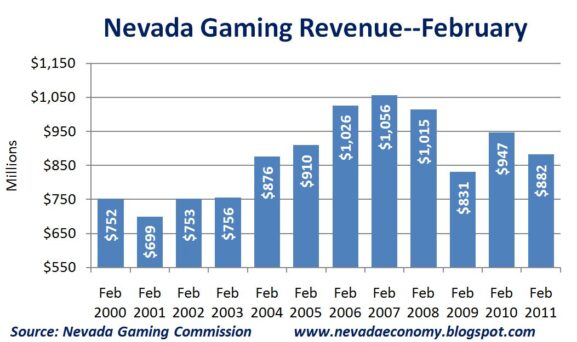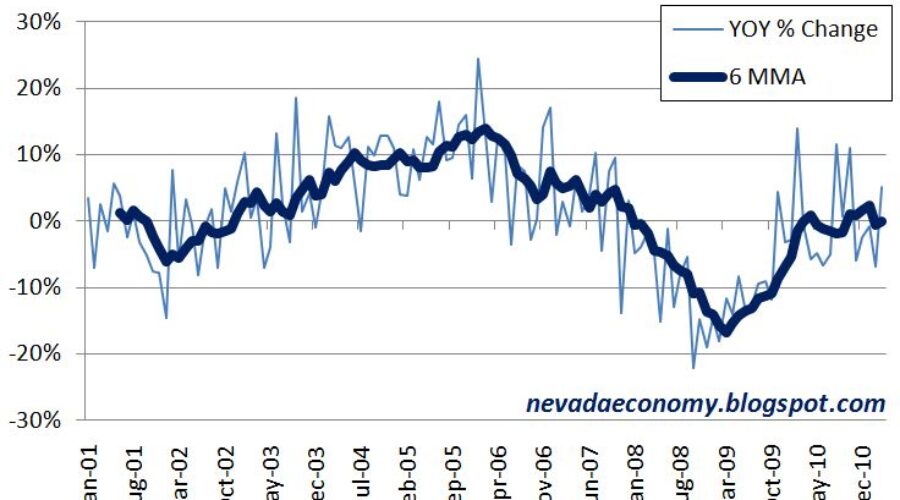
The 6.6% Nevada Gaming Revenue Drop Fact Check: What Actually Happened?
The 6.6% Nevada Gaming Revenue Drop: A Closer Look at the Numbers and Their Implications
In the glittering labyrinth of Nevada’s gaming industry, where fortunes are made and lost in the blink of an eye, even the slightest dip in revenue sends ripples through the financial ecosystem. The recent 6.6% decline in gaming revenue has sparked a flurry of speculation, with analysts dissecting the numbers like surgeons probing a patient’s vital signs. But what does this drop truly signify? Is it a fleeting anomaly or a harbinger of deeper shifts in consumer behavior and economic trends? To understand the full picture, we must peel back the layers of the data, examining the forces at play beneath the surface.
The Mechanics Behind the Decline: More Than Just a Number
The 6.6% reduction in gaming revenue is not an isolated event but a convergence of multiple factors. At its core, the decline reflects a recalibration of consumer spending, influenced by macroeconomic pressures such as inflation, rising interest rates, and shifting priorities among tourists and locals alike. The gaming industry, often seen as a barometer of economic health, is particularly sensitive to these fluctuations. When discretionary income tightens, even the most loyal patrons of the casino floor may reconsider their spending habits, opting for more modest wagers or redirecting funds toward essential expenses.
Moreover, the composition of gaming revenue—traditionally dominated by slot machines and table games—has evolved. The rise of non-gaming amenities, such as entertainment, dining, and retail, has diluted the industry’s reliance on pure gambling revenue. While this diversification has bolstered long-term resilience, it has also introduced new variables into the revenue equation. A decline in gaming receipts may, in part, be offset by gains in other sectors, but the headline figure still commands attention, underscoring the need for a nuanced analysis.
The Tourist vs. Local Divide: A Tale of Two Markets
Nevada’s gaming revenue is a mosaic of contributions from tourists and residents, each with distinct spending patterns and motivations. The 6.6% drop is not uniformly distributed; rather, it reveals disparities between these two segments. Tourists, particularly international visitors and high-rollers from neighboring states, often drive the bulk of gaming revenue. However, their spending habits are increasingly influenced by global economic conditions, travel costs, and competition from other entertainment hubs. A stronger dollar, for instance, may deter foreign tourists from splurging on high-stakes gambling, while rising airfare and accommodation costs could curb the frequency of their visits.
On the other hand, local residents—who account for a significant portion of gaming revenue—face their own financial constraints. Rising housing costs, stagnant wages, and increased living expenses have eroded disposable income, compelling many to curtail their casino visits. The local market, once a reliable pillar of stability, is now grappling with a sense of economic fatigue, further amplifying the revenue decline. This bifurcation of the market highlights the fragility of Nevada’s gaming industry, which thrives on the interplay between global affluence and local prosperity.
The Technological Undercurrent: How Innovation Reshapes the Landscape
Beneath the surface of the 6.6% drop lies an undercurrent of technological disruption that is quietly redefining the gaming experience. The proliferation of online gaming platforms, mobile betting apps, and cryptocurrency transactions has introduced new avenues for wagering, some of which operate outside the traditional brick-and-mortar casino framework. While these innovations have expanded access to gaming, they have also siphoned off revenue from land-based establishments, which remain the primary drivers of Nevada’s gaming receipts.
Additionally, the integration of artificial intelligence and data analytics into gaming operations has transformed how casinos engage with their patrons. Personalized marketing, loyalty programs, and predictive algorithms are designed to maximize player retention and spending, yet they also reflect a broader industry shift toward efficiency over extravagance. The result is a more calculated, less impulsive approach to gambling, which may contribute to the observed decline in revenue. As technology continues to evolve, the gaming industry must adapt or risk being left behind in an increasingly digital world.
Policy and Regulation: The Unseen Hand Shaping the Future
No discussion of Nevada’s gaming revenue would be complete without acknowledging the role of policy and regulation. The state’s gaming industry operates within a tightly controlled framework, where even minor adjustments to tax rates, licensing fees, or operational guidelines can have outsized effects on revenue. Recent legislative changes, aimed at balancing industry growth with consumer protection, have introduced new compliance burdens that may have inadvertently dampened spending. For instance, stricter anti-money laundering measures or responsible gambling initiatives, while necessary, can create friction in the customer experience, discouraging high-volume play.
Furthermore, the regulatory environment is not static. As Nevada grapples with the implications of legalized sports betting, the expansion of tribal gaming compacts, and the potential legalization of online poker, the gaming landscape is in a state of flux. These shifts, while promising in the long run, can introduce short-term volatility, contributing to the 6.6% decline. The industry’s ability to navigate this regulatory maze will determine its resilience in the face of ongoing challenges.
The 6.6% Nevada gaming revenue drop is more than a statistical blip; it is a mirror reflecting the complex interplay of economic, technological, and regulatory forces. While the decline may appear disconcerting at first glance, it offers an opportunity to reassess the industry’s trajectory and identify areas for innovation and growth. As Nevada’s gaming sector continues to evolve, the true measure of its success will lie not in the avoidance of downturns, but in its ability to adapt, diversify, and thrive in an ever-changing landscape.