Nevada Gaming Revenue 2026: Can the Strip Recover From 6.6% Drop?
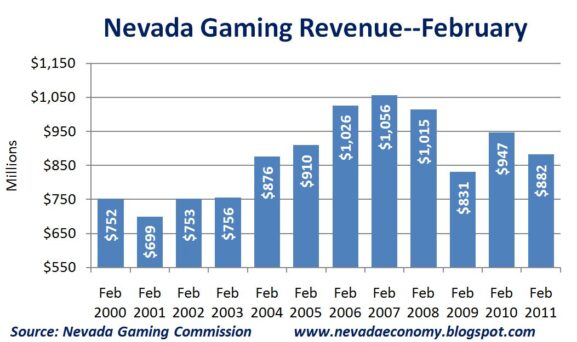
The Nevada gaming industry, a titan of global entertainment and economic vitality, faces a pivotal moment in 2026. After a 6.6% dip in revenue—a tremor felt across the neon-lit corridors of the Las Vegas Strip—questions loom like shadows over the desert skyline. Can the industry pivot, innovate, and reclaim its former glory? The answer lies not in a single strategy but in a mosaic of adaptation, reinvention, and strategic foresight. This is not merely a tale of recovery; it is a narrative of transformation, where the Strip’s future hinges on its ability to rewrite the rules of engagement.
The Anatomy of the Decline: What Really Happened?
The 6.6% revenue contraction was not an isolated incident but the culmination of layered disruptions. Post-pandemic travel hesitancy, inflationary pressures squeezing discretionary spending, and the rise of alternative entertainment hubs—from Macau’s resurgence to the allure of digital gaming—created a perfect storm. Meanwhile, labor shortages and operational inefficiencies gnawed at margins, turning once-profitable ventures into financial tightropes. The Strip, long accustomed to dominance, now grapples with a paradox: how to sustain its magnetic pull in an era where global leisure choices have proliferated.
Innovation as the New Currency: Beyond the Slot Machine
The path to recovery demands more than a return to the status quo; it requires a radical reimagining of the gaming experience. Forward-thinking operators are betting on experiential luxury—hyper-personalized suites, AI-driven concierge services, and immersive, tech-infused environments that blur the line between casino and theme park. The rise of cryptocurrency and blockchain-based transactions is another frontier, offering frictionless payments and untapped demographics. Meanwhile, non-gaming revenue streams—culinary tourism, wellness retreats, and high-end retail—are being woven into the Strip’s fabric, ensuring that even non-gamblers contribute to the economic tapestry.
The International Chessboard: Macau’s Shadow and Beyond
Nevada’s gaming revenue is no longer an isolated phenomenon. The resurgence of Macau, once crippled by regulatory crackdowns, now poses a formidable challenge. With its integrated resorts and government-backed expansions, Macau is luring high rollers back with promises of exclusivity and opulence. Meanwhile, Singapore’s Marina Bay Sands and Resorts World Sentosa continue to siphon off high-net-worth travelers, leaving Las Vegas to compete not just on glitz but on strategic differentiation. The Strip must leverage its unparalleled entertainment ecosystem—from Cirque du Soleil to residencies by global superstars—to carve out a niche that no Asian competitor can replicate.
The Labor Equation: Can the Strip Mend Its Fractured Workforce?
No recovery is sustainable without a stable, motivated workforce. The industry’s reputation for grueling hours and transient labor pools has deterred many from pursuing careers in gaming. Yet, operators are beginning to recognize that competitive wages, career ladders, and employee-centric cultures are not just moral imperatives but economic necessities. Partnerships with vocational schools and universities are cultivating a new generation of skilled professionals, from pit bosses to cybersecurity experts. The message is clear: the Strip’s future hinges on its ability to treat its workforce as its most valuable asset.
The Regulatory Tightrope: Balancing Growth and Oversight
Innovation often collides with regulation, and Nevada’s gaming industry is no stranger to this dance. The state’s Gaming Control Board faces the Herculean task of fostering growth while mitigating risks—whether from problem gambling, money laundering, or technological vulnerabilities. Emerging trends like sports betting and online poker demand agile frameworks that can evolve alongside market demands. Meanwhile, sustainability initiatives—water conservation, energy efficiency, and waste reduction—are becoming non-negotiable for operators seeking to align with consumer values. The Strip’s ability to navigate this regulatory labyrinth will determine whether it thrives or merely survives.
The Nevada gaming industry stands at a crossroads, where the ghosts of past glories and the specters of new challenges collide. Yet, history has shown that adversity often births reinvention. The Strip’s recovery in 2026 will not be a return to the familiar but a leap into uncharted territory—where technology, global competition, and shifting consumer desires converge. The question is not whether the Strip can bounce back, but how boldly it will redefine itself for the next era. The cards are on the table. The question is: who will reshuffle them?