Lake Tahoe Basin Snowpack Measured at Just 17%: Nevada’s Drought Worsens
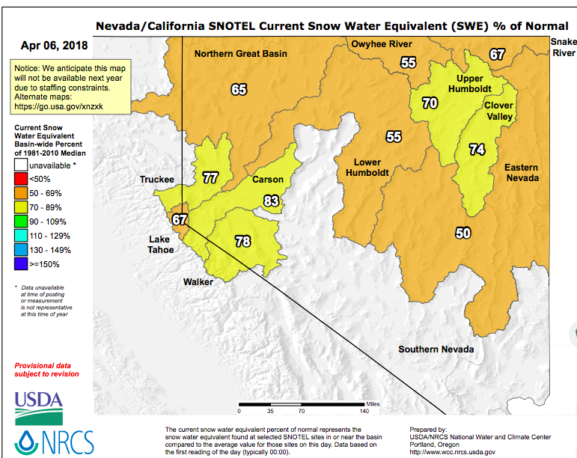
The Sierra Nevada’s once-proud snowpack, a crystalline crown jewel that once crowned the mountains in a shimmering mantle of white, now stands at a mere 17% of its historic average. This stark figure isn’t just a statistic—it’s a harbinger, a silent scream from the earth itself, echoing the deepening drought that grips Nevada like an unrelenting vise. The Lake Tahoe Basin, a jewel set in the high-altitude embrace of the Sierra Nevada, is no longer the snow-globe paradise it once was. Instead, it is a landscape stripped bare, its once-plump reservoirs now skeletal, its rivers whispering tales of scarcity rather than abundance. The implications ripple far beyond the basin’s shores, casting long shadows over ecosystems, economies, and the very soul of the region.
The Vanishing Crown: Snowpack as the Region’s Lifeblood
Snowpack is not merely frozen water—it is the region’s financial backbone, a natural savings account that releases its wealth slowly, steadily, through the parched months of summer. The Sierra Nevada’s snowpack, historically a towering reservoir of moisture, once held enough water to fill Lake Tahoe itself multiple times over. Now, it crumbles like overbaked meringue, its depth reduced to a fraction of its former glory. This isn’t just a loss of water; it’s a loss of resilience. Without this frozen reservoir, the delicate balance of the basin’s ecosystems teeters on the edge of collapse. Streams that once teemed with life now trickle like forgotten tears, their banks lined with the skeletal remains of once-vibrant riparian forests.
Nevada’s Thirst: A Crisis Writ Large
Nevada, a state already parched by the relentless march of aridification, now faces a drought of biblical proportions. The Lake Tahoe Basin, though a microcosm of the larger crisis, is not an isolated victim. Its struggles mirror those of the Colorado River Basin, the Great Basin, and the High Plains—regions where water is no longer a given but a luxury. The snowpack’s decline is a death knell for agriculture, a threat to municipal water supplies, and a catalyst for wildfires that scorch the land like a brand. The state’s reservoirs, once brimming with the promise of snowmelt, now resemble the cracked beds of ancient lakes, their once-vibrant blues faded to the dull gray of despair.
The Ecological Ripple Effect: A Domino Effect of Loss
The consequences of this snowpack deficit extend far beyond human needs. The basin’s flora and fauna, finely tuned to the rhythms of seasonal snowmelt, now face an existential crisis. The American pika, a small mammal that thrives in alpine meadows, is retreating to higher elevations, its habitat shrinking with each passing year. Native trout species, dependent on cold, oxygen-rich streams, struggle to survive as water temperatures rise and flows dwindle. Even the mighty Jeffrey pines, sentinels of the Sierra Nevada, are showing signs of stress, their once-lush canopies thinning like the patience of a drought-weary population. The ecosystem, a delicate tapestry woven over millennia, is unraveling at the seams.
The Human Toll: A Region Held Hostage by Drought
For the communities that call the Lake Tahoe Basin home, the drought is more than an environmental crisis—it is a socioeconomic earthquake. Tourism, the lifeblood of the region’s economy, is faltering as ski resorts struggle to maintain slopes and waterfront businesses watch their customer base evaporate. Real estate values plummet as the specter of water scarcity looms larger than ever. Farmers, already grappling with reduced allocations from the Truckee River, face the grim prospect of fallowing fields or abandoning crops altogether. The human cost is not just measured in dollars but in the quiet erosion of dreams, the slow suffocation of livelihoods that have sustained generations.
The Path Forward: Adaptation in the Face of Adversity
Yet, even in the face of such dire straits, there is a flicker of hope. The crisis has spurred innovation, from water recycling programs to the adoption of drought-resistant landscaping. Communities are banding together, sharing resources, and reimagining their relationship with water. Policymakers are finally acknowledging the urgency of the situation, though whether their actions will match the scale of the challenge remains to be seen. The Lake Tahoe Basin, once a symbol of natural abundance, now stands as a cautionary tale—a reminder that even the most resilient landscapes can be pushed to the brink.
The snowpack’s decline is not just a warning; it is a reckoning. It is the earth’s way of telling us that the old ways are no longer sustainable. The question is whether we will listen before it’s too late. The basin’s future hangs in the balance, a fragile thread woven between despair and determination. One thing is certain: the time for half-measures is over. The age of reckoning has arrived.