How the 17% Snowpack Will Impact Nevada’s Wildfire Season
As Nevada’s winter cloak of snow begins to recede, revealing the parched earth beneath, a curious question lingers in the dry desert air: What happens when the snowpack, that silent guardian of moisture, dwindles to a mere 17% of its usual bounty? The answer isn’t just a matter of thirsty landscapes—it’s a tinderbox waiting to ignite. With the state’s wildfire season looming like a specter over the horizon, the stakes couldn’t be higher. Will Nevada’s skies soon be painted with the same fiery hues that have scorched other regions, or can the land defy the odds?
A Thirsty Landscape: The Snowpack’s Vanishing Act
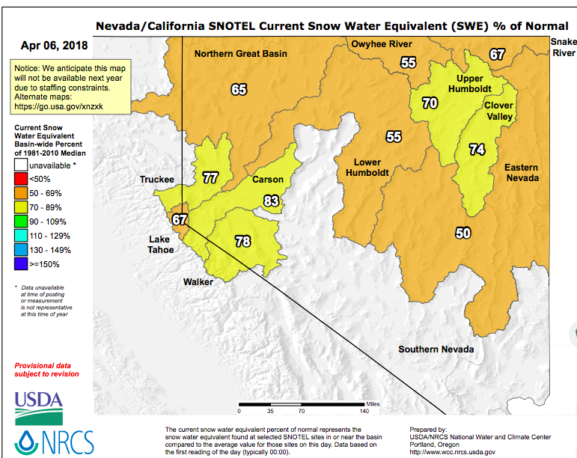
Nevada’s snowpack, often hailed as the lifeblood of its arid ecosystems, has dwindled to a fraction of its former glory. At just 17% of average, the snow’s retreat is more than a statistical footnote—it’s a harbinger of parched soils and brittle vegetation. Snowpack acts as a natural reservoir, slowly releasing water as it melts, nourishing rivers, replenishing aquifers, and quenching the thirst of ecosystems starved for moisture. But when that reservoir shrinks to a mere sliver, the consequences ripple outward like cracks in a drought-stricken lakebed.
The implications are stark. Less snow means less runoff, which in turn means less water for the state’s rivers and reservoirs. Streams that once flowed with the vigor of a mountain-fed torrent now trickle like a forgotten faucet. For Nevada, where water is the currency of survival, this isn’t just an inconvenience—it’s a crisis in slow motion. The land, already hardened by years of arid conditions, braces for the inevitable: a landscape primed to burn.
Fuel for the Inferno: How Dwindling Snowpack Feeds the Wildfire Beast
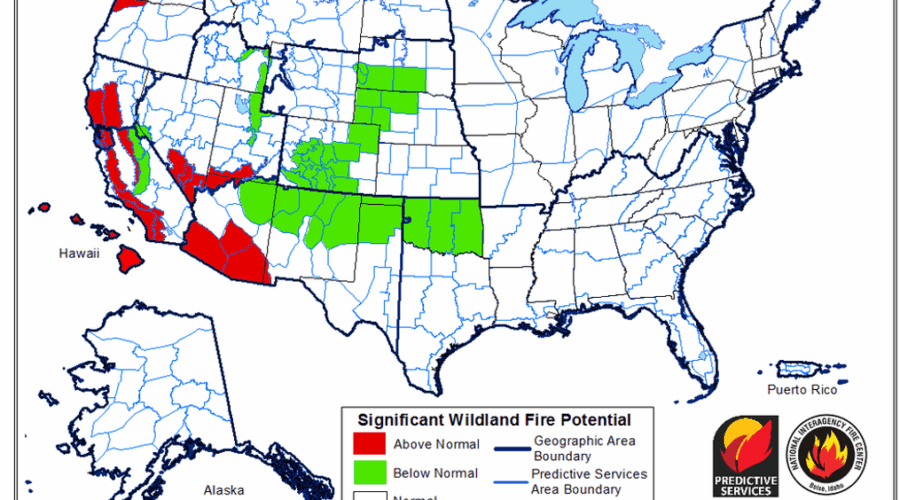
Wildfires thrive on three essential ingredients: heat, oxygen, and fuel. With Nevada’s snowpack at a paltry 17%, the third ingredient is in overabundance. The lack of snow means vegetation remains dry, brittle, and ready to ignite at the slightest spark. Grasses, shrubs, and even trees stand like kindling, their moisture content plummeting as the sun beats down with relentless intensity.
This isn’t just a matter of surface-level dryness. The deeper layers of soil, too, are affected. Without the gradual melt of a robust snowpack, the ground remains hard and compacted, unable to absorb what little precipitation does fall. The result? A landscape that’s not just dry on the surface but primed to burn from the roots up. When wildfires do strike, they don’t just consume the visible foliage—they devour the very foundation of the ecosystem, leaving behind a wasteland that struggles to recover.
Human Hands on the Tinderbox: The Role of Climate and Policy
While nature sets the stage, human activity often provides the spark. Climate change, with its relentless warming trends, has already stretched Nevada’s resources thin. Rising temperatures accelerate snowmelt, leaving the land exposed to the elements sooner than ever before. But the human element doesn’t end there. Land management practices, urban sprawl, and even recreational activities all play a role in turning the state into a powder keg.
Consider the case of invasive plant species, which thrive in disturbed soils and outcompete native vegetation. These opportunistic invaders not only sap what little moisture remains but also create dense, continuous fuel beds that allow fires to spread with terrifying speed. Meanwhile, the encroachment of human development into wildland areas—often referred to as the wildland-urban interface—puts homes, businesses, and lives directly in the path of potential infernos. The question isn’t just whether Nevada will face a severe wildfire season, but how prepared the state—and its residents—are to face the challenge.
Preparing for the Unthinkable: Mitigation and Resilience
In the face of such daunting odds, preparation becomes the state’s most potent weapon. Firebreaks, controlled burns, and strategic thinning of forests can reduce the intensity of wildfires, giving firefighters a fighting chance. But these measures require foresight, investment, and a willingness to confront the realities of a changing climate. Nevada must also grapple with the thorny issue of water management, ensuring that every drop is used judiciously to sustain both ecosystems and communities.
For residents, the call to action is clear. Defensible space around homes, awareness of local fire risks, and adherence to burn bans can mean the difference between safety and devastation. The state’s wildfire season isn’t a distant threat—it’s an inevitability that demands respect and preparation. The question isn’t whether Nevada will face wildfires this year, but how well it can weather the storm.
The 17% snowpack isn’t just a number—it’s a warning. As Nevada stands on the precipice of another potentially devastating wildfire season, the time to act is now. The land may be thirsty, but it doesn’t have to be helpless. With vigilance, innovation, and a commitment to resilience, the state can turn the tide against the coming flames.