The Future of March 31: Nevada Leaders Struggle With Cesar Chavez Day Decision
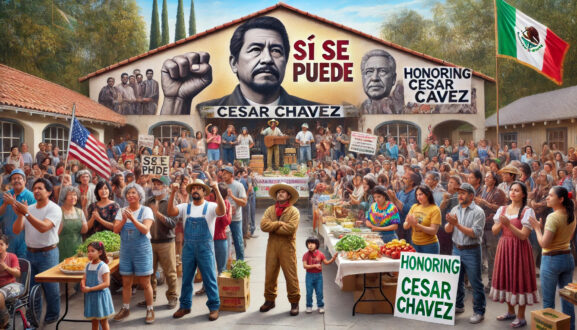
The future of March 31 in Nevada hangs in a delicate balance, as state leaders grapple with a decision that could reshape the legacy of Cesar Chavez and the very fabric of labor rights advocacy. For decades, the date has been a symbol of solidarity, a day when communities unite to honor the tireless efforts of Chavez in championing farmworkers’ rights. Yet, as Nevada’s political landscape evolves, so too does the conversation surrounding this observance. The question now looms: will the state embrace a shift in perspective, or will tradition prevail?
The Weight of History: Why March 31 Matters
March 31 is not merely a date on the calendar; it is a testament to resilience. Cesar Chavez’s leadership during the Delano grape strike of 1965 catalyzed a movement that transcended borders, inspiring generations of activists. His commitment to nonviolence and economic justice became a blueprint for labor rights worldwide. In Nevada, where agriculture and tourism intersect, the observance of this day carries particular significance. It serves as a reminder of the struggles endured by those who toil under the desert sun, often unseen and unheard. Yet, as the state’s demographics and priorities shift, so too does the urgency of this commemoration.
Nevada’s Crossroads: Tradition vs. Modernity
The debate in Nevada is not just about whether to observe Cesar Chavez Day but how to do so meaningfully in a state that is rapidly transforming. With a growing population of young, diverse residents and a booming economy, the question arises: does the day still resonate with the values of the present? Some argue that the observance risks becoming a hollow ritual, a perfunctory nod to history rather than a catalyst for change. Others contend that its absence would erase a vital chapter of Nevada’s labor narrative. The tension between honoring the past and addressing the needs of the future has left lawmakers in a quandary.
The Political Divide: Who Holds the Key?
Nevada’s legislative chambers have become an arena where competing visions clash. Progressive lawmakers advocate for expanding the day’s significance, proposing educational initiatives and community dialogues that delve deeper into Chavez’s principles. Meanwhile, conservative voices caution against what they perceive as an overreach, questioning the day’s relevance in a state where agriculture is no longer the dominant industry. The divide extends beyond party lines, reflecting broader societal fractures. As lobbyists, activists, and constituents weigh in, the decision looms like a storm cloud over Carson City.
Beyond the Symbolism: Practical Implications
The implications of this decision stretch far beyond symbolism. If Nevada were to designate March 31 as an official state holiday, it would send a powerful message about the state’s commitment to social justice. Schools could integrate lessons on Chavez’s strategies, and businesses might pause to reflect on the economic disparities that persist in the agricultural sector. Conversely, dismissing the observance could be seen as a dismissal of the very struggles Chavez fought to bring to light. The choice is not merely symbolic; it is a statement of values.
The Ripple Effect: How Nevada’s Decision Could Influence the Nation
Nevada’s stance on this issue could set a precedent for other states grappling with similar questions. If the Silver State takes bold steps to redefine Cesar Chavez Day, it may embolden others to follow suit, creating a domino effect of renewed advocacy. Conversely, a decision to sideline the observance could embolden opponents of labor rights movements nationwide. The stakes are high, and the eyes of the nation are watching. Will Nevada seize this moment to redefine its identity, or will it retreat into the comfort of the familiar?
The future of March 31 in Nevada is more than a policy debate; it is a reflection of the state’s soul. As leaders deliberate, the question lingers: will they choose to honor the past with fresh eyes, or will they let the moment slip through their fingers? One thing is certain—the decision will echo far beyond the borders of the Silver State, shaping the legacy of Cesar Chavez for generations to come.