Nevada News Roundup: Gaming Snowpack and Politics in Early 2026
The Nevada landscape in early 2026 is a tableau of contrasts—where the glittering allure of casino lights meets the stark reality of mountain snowpack, and political maneuvering hums beneath the surface like a slot machine’s relentless spin. As the state grapples with the dual forces of gaming’s economic dominance and the precarious balance of water resources, residents and policymakers alike are left wondering: Can Nevada’s glittering facade weather the storms of climate uncertainty and political gridlock? The answer may well determine whether the Silver State’s future shines as brightly as its neon signs or fades like a desert mirage.
The Snowpack Conundrum: A Thirsty State’s Silent Crisis
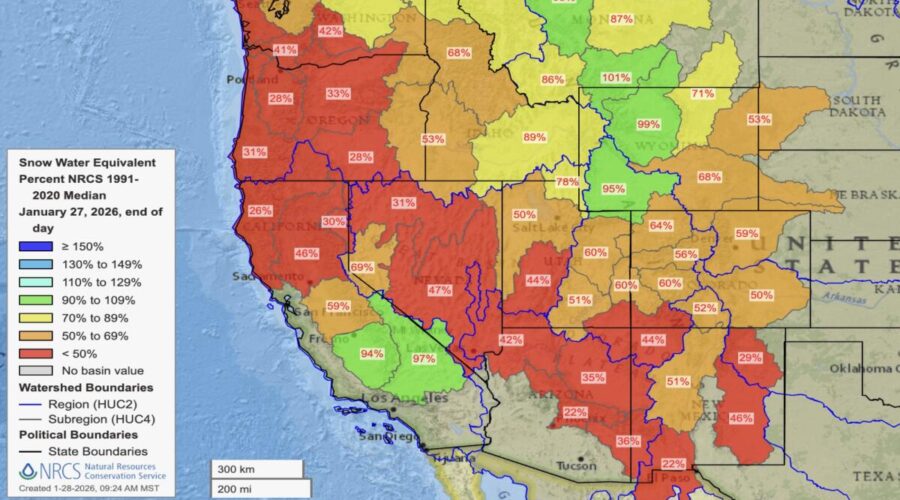
Nevada’s lifeblood—water—flows from the snowmelt of the Sierra Nevada, a distant yet indispensable resource for a state that thrives on excess. By early 2026, the snowpack’s health is under the microscope, its meager accumulation a harbinger of potential drought. The Sierra’s snowpack, measured in inches of water content, has dwindled to levels that would make even the most optimistic water managers furrow their brows. Las Vegas, a city that consumes more water per capita than most desert metropolises, relies on the Colorado River and imported snowmelt to quench its thirst. With the snowpack’s decline, the question looms: How long can the Strip’s fountains continue to dance before the taps run dry?
The challenge isn’t just environmental; it’s existential. Nevada’s gaming industry, the bedrock of its economy, is inextricably linked to water. Luxury resorts, sprawling golf courses, and artificial lakes demand resources that the state can ill afford to squander. Conservation efforts have intensified, but the tension between growth and sustainability grows tauter with each passing season. Will Nevada’s leaders gamble on short-term prosperity or double down on innovation to secure its future?
The Gaming Industry’s High-Stakes Gamble
The neon glow of Las Vegas and Reno’s casino floors pulses with an energy that belies the state’s environmental vulnerabilities. In 2026, the gaming industry faces a paradox: its success hinges on the very resources it risks depleting. Resorts are investing in water-efficient technologies, but the scale of their operations demands a constant, voracious supply. The rise of sports betting and online gaming has only amplified the strain, as digital platforms and physical venues alike consume energy and water at alarming rates.
Meanwhile, the industry’s reliance on tourism—a sector that thrives on excess—creates a feedback loop of demand. Visitors flock to Nevada for its opulence, yet the state’s ability to sustain that opulence is increasingly in question. The question isn’t just about profits; it’s about survival. Can the gaming industry pivot from a model of conspicuous consumption to one of responsible stewardship without losing its allure?
Politics in the Desert: A Battle of Priorities
Nevada’s political landscape in 2026 is a battleground where water rights, gaming regulations, and economic development collide. The state legislature, a microcosm of the nation’s divides, grapples with contentious bills aimed at balancing growth with conservation. Rural communities, often overshadowed by the urban sprawl of Las Vegas, push for policies that protect their water sources from aggressive urban extraction. Meanwhile, gaming lobbyists and corporate interests advocate for policies that prioritize economic expansion, even at the expense of long-term sustainability.
The tension is palpable. Environmentalists decry the state’s failure to enforce stricter water conservation measures, while business leaders warn that overregulation could stifle Nevada’s economic engine. The governor, caught in the crossfire, must navigate a minefield of competing interests. Will Nevada’s political class rise to the occasion, or will the state’s future be dictated by the highest bidder?
The Road Ahead: Innovation or Illusion?
As Nevada stands at this crossroads, the path forward is fraught with uncertainty. The state’s ability to innovate—whether through desalination, wastewater recycling, or renewable energy—will determine whether its glittering future is built on sand or bedrock. The gaming industry, too, must confront its role in this narrative. Can it transform from a symbol of excess to a leader in sustainability?
The answers may lie in the unlikeliest of places. Indigenous water rights, long ignored, are gaining traction as a potential solution to the state’s water woes. Meanwhile, technological advancements in water recycling and conservation offer a glimmer of hope. Yet, the clock is ticking. With each passing season, the snowpack’s decline serves as a stark reminder: Nevada’s future is not guaranteed. The question remains—will the state rise to the challenge, or will it gamble away its most precious resource?