How to Conserve Water in Nevada Following 17% Snowpack
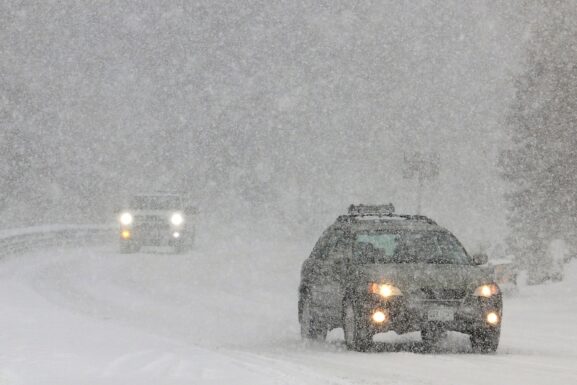
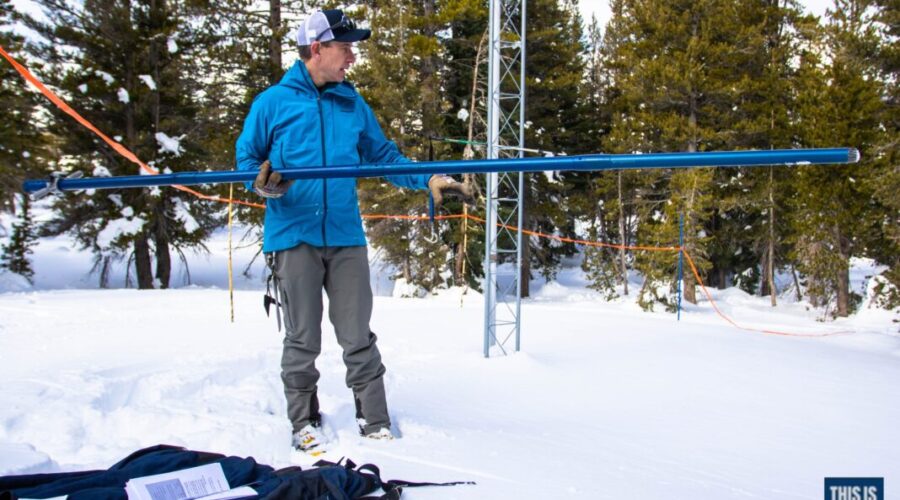
What if Nevada’s snowpack, that glittering crown of winter’s bounty, were to dwindle by nearly a fifth overnight? The thought alone sends a ripple of unease through a state where snowmelt has long been the lifeblood of rivers, reservoirs, and dreams of lush green lawns. With snowpack now hovering at a mere 83% of its historic median, the challenge isn’t just looming—it’s here. The question isn’t whether conservation matters, but how deeply we’re willing to rethink our relationship with water before the next drought tightens its grip. The time to act isn’t tomorrow. It’s today.
The Ripple Effect of Shrinking Snowpack
Snowpack isn’t merely a seasonal spectacle; it’s a natural reservoir, storing water through winter and releasing it gradually as temperatures rise. When snowpack declines, so does the slow, steady drip that fills rivers and replenishes groundwater. Nevada, a state already accustomed to arid conditions, finds itself in a precarious balancing act. Reduced snowpack means less water for agriculture, municipal use, and the delicate ecosystems that depend on these flows. The challenge isn’t just about scarcity—it’s about the cascading consequences that follow, from higher utility bills to strained local ecosystems. The question isn’t whether these effects will manifest, but how soon and how severely they’ll reshape daily life.
Rethinking the Lawn: A Cultural Shift in the Desert
For decades, the image of a verdant lawn has been synonymous with suburban success in Nevada. Yet, in a landscape where water is a finite resource, this tradition is becoming increasingly unsustainable. The average household in Las Vegas, for example, uses over 100 gallons of water per person per day—much of it on outdoor irrigation. The solution? A radical reimagining of our outdoor spaces. Xeriscaping, the art of designing landscapes that require minimal irrigation, isn’t just an eco-friendly trend; it’s a necessity. Native plants like desert marigolds, yuccas, and agaves thrive in arid conditions, offering beauty without the thirst. Even small changes, like replacing thirsty Kentucky bluegrass with buffalo grass or installing drip irrigation systems, can dramatically reduce water usage. The challenge lies in overcoming the aesthetic inertia of generations, but the payoff—a garden that flourishes with nature’s rhythm—is worth the effort.
Every Drop Counts: The Power of Household Habits
Water conservation isn’t confined to the outdoors. Inside the home, a series of small, intentional changes can add up to significant savings. The average American household leaks nearly 10,000 gallons of water annually—enough to fill a backyard swimming pool. Fixing leaky faucets, installing low-flow showerheads, and opting for high-efficiency washing machines can slash water usage without sacrificing comfort. Even the way we wash dishes matters. Hand-washing a full load of dishes can consume up to 20 gallons of water, while an Energy Star-rated dishwasher uses as little as 3 gallons. The challenge isn’t about deprivation; it’s about efficiency. By adopting these habits, households can become part of the solution rather than contributors to the problem.
Policy and Innovation: The Backbone of Long-Term Change
While individual actions are vital, systemic change requires bold policy and innovative thinking. Nevada has already taken steps in the right direction, from banning ornamental grass in new developments to incentivizing water-efficient appliances. Yet, the work is far from over. Investing in water recycling technologies, expanding grey water systems, and exploring desalination projects could provide long-term resilience. The challenge lies in balancing immediate needs with future sustainability—a task that demands collaboration between policymakers, businesses, and residents. The question isn’t whether Nevada can innovate its way out of this crisis, but how quickly and comprehensively it can do so.
Nevada’s snowpack may be shrinking, but the state’s spirit remains unyielding. The path forward isn’t paved with panic, but with pragmatism and a willingness to adapt. By rethinking our landscapes, refining our habits, and rallying behind innovation, we can turn the tide on water scarcity. The challenge is daunting, but the opportunity—to build a future where water is cherished, conserved, and celebrated—is within reach. The time to act is now, before the snowpack’s silence becomes the only sound left.