How Record Low Snowpack at Lake Tahoe Affects Nevada Wildlife
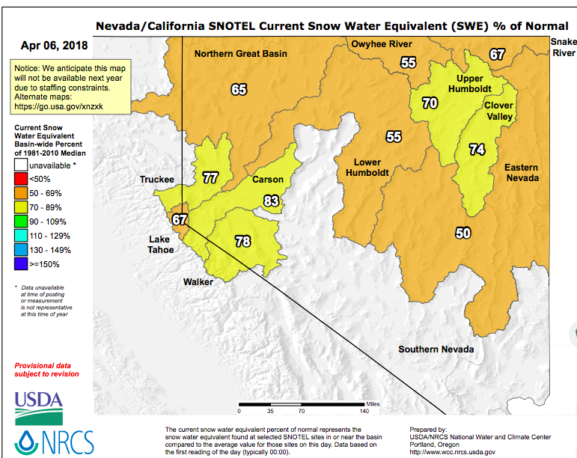
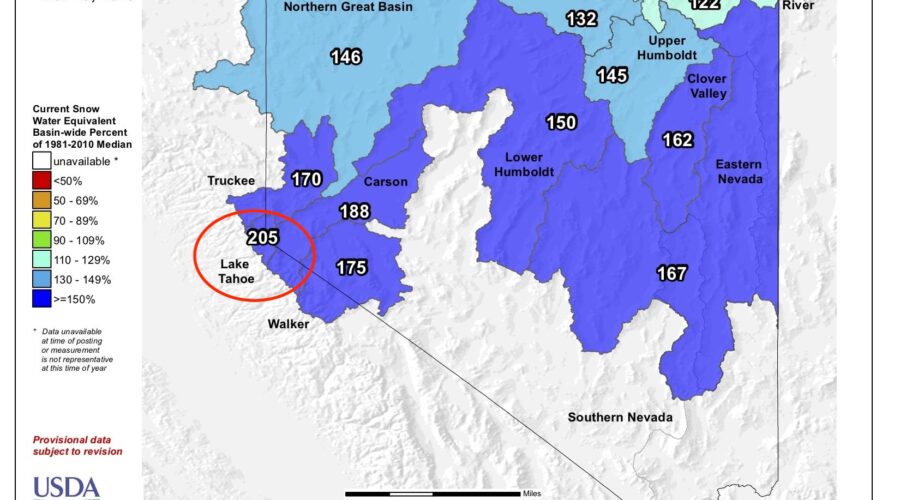
The stark reality of dwindling snowpack at Lake Tahoe isn’t just a statistic—it’s a cascading crisis with far-reaching consequences for Nevada’s wildlife. As winter’s once-reliable blanket of snow thins to a mere shadow of its former self, ecosystems teeter on the brink of imbalance. The ramifications stretch beyond mere aesthetics, reshaping habitats, altering food webs, and forcing species to adapt—or perish—in an era of accelerating climate flux. For Nevada’s diverse fauna, from the elusive Sierra Nevada bighorn sheep to the industrious American pika, the stakes couldn’t be higher.
The Vanishing Snowpack: A Hydrological Earthquake
Snowpack acts as nature’s reservoir, slowly releasing water into streams and rivers as temperatures rise. When snowfall dwindles, this natural storage system fractures. Streams that once flowed year-round become ephemeral threads, while groundwater reserves deplete at an alarming rate. For Nevada’s riparian species—beavers, trout, and migratory birds like the greater sandhill crane—the loss of perennial water sources spells disaster. Wetlands, already besieged by drought, shrink further, leaving fewer breeding grounds and forcing wildlife into increasingly fragmented habitats. The hydrological earthquake triggered by low snowpack doesn’t just alter water availability; it reconfigures entire landscapes, leaving scars that persist long after the snow melts.
Faunal Fractures: Species-Specific Struggles
The impact of diminished snowpack isn’t uniform—it fractures ecosystems along species-specific fault lines. High-elevation specialists like the Sierra Nevada bighorn sheep face a double jeopardy: shrinking alpine meadows and reduced winter forage. Their survival hinges on accessing wind-scoured patches of vegetation, but as snow cover diminishes, these critical patches become scarcer. Meanwhile, lower-elevation species such as mule deer confront a different crisis. Their migration routes, historically timed to coincide with snowmelt, now misalign with the availability of nutritious forage. The result? Starvation, weakened immune systems, and plummeting fawn survival rates. Even the industrious American pika, a cold-adapted alpine dweller, finds itself trapped in a shrinking thermal refuge. As temperatures rise and snowpack retreats, these tiny mammals face heat stress and habitat compression, pushing them toward local extirpation.
Trophic Disruptions: The Unseen Domino Effect
Beyond individual species, the ripple effects of low snowpack reverberate through trophic levels. Aquatic insects, which rely on cold, oxygen-rich streams fed by snowmelt, decline in abundance. This collapse cascades upward, starving insectivorous birds like the willow flycatcher and reducing prey for fish-eating predators such as the osprey. Meanwhile, invasive species—already a scourge in Nevada’s ecosystems—thrive in the wake of environmental stress. Cheatgrass, a drought-resistant invader, proliferates in disturbed soils, outcompeting native plants and increasing wildfire risks. The altered fire regimes further degrade habitats, creating a feedback loop of degradation that leaves native wildlife struggling to keep pace. The trophic disruptions aren’t just ecological footnotes; they’re existential threats to the stability of Nevada’s wild communities.
Adaptation in the Anthropocene: Survival Strategies
In the face of these challenges, some species exhibit remarkable adaptability. Black bears, for instance, are extending their foraging seasons into winter, raiding human food sources as natural resources dwindle. While this may offer short-term survival, it increases human-wildlife conflicts, a growing concern for rural communities. Other species, like the desert tortoise, face an uphill battle. Their reproductive success hinges on spring rains, which are becoming increasingly erratic. Conservationists are exploring assisted migration and habitat restoration as stopgap measures, but the scale of intervention required is daunting. The Anthropocene has stripped away the luxury of gradual adaptation, forcing wildlife into a high-stakes game of evolutionary catch-up.
Human-Wildlife Intersections: A Shared Future
The fate of Nevada’s wildlife is inextricably linked to human actions. Water management policies, land-use decisions, and climate mitigation efforts all play pivotal roles in determining whether species can endure. The push for renewable energy projects, while essential for combating climate change, often fragments habitats further. Conversely, collaborative conservation initiatives—such as riparian restoration and invasive species control—offer glimmers of hope. Public engagement, too, is critical. From reducing water waste to supporting wildlife corridors, individual actions compound into collective impact. The challenge isn’t just ecological; it’s a test of our capacity to coexist with the wild world in an era of relentless change.
The story of Lake Tahoe’s dwindling snowpack is more than a tale of melting ice and bare ground—it’s a narrative of resilience, fragility, and the delicate interplay between species and their environments. As Nevada’s wildlife navigates this uncharted terrain, the lessons learned here will echo far beyond its borders, serving as a cautionary tale and a call to action. The future of these creatures hangs in the balance, but it is not yet written. With informed stewardship and unwavering commitment, there remains a slender thread of hope—one that weaves together human ingenuity and the indomitable spirit of the wild.