Is AI a Threat or Opportunity for Nevada’s 90000 Hospitality Workers?
Is AI a Threat or Opportunity for Nevada’s 900,000 Hospitality Workers?
Nevada’s glittering Strip pulses with neon dreams and the hum of slot machines, but behind the dazzle lies a workforce of 900,000 souls—bellhops, bartenders, concierges, and housekeepers—who have long been the heartbeat of the state’s hospitality empire. Now, a new guest has arrived, uninvited yet impossible to ignore: artificial intelligence. With algorithms poised to take over reservations, personalize guest experiences, and even mix cocktails, one playful yet pressing question lingers in the desert air: Is AI a looming specter of displacement or a shimmering oasis of opportunity for Nevada’s hospitality workforce?
The Rise of the Digital Concierge: Efficiency Meets Empathy
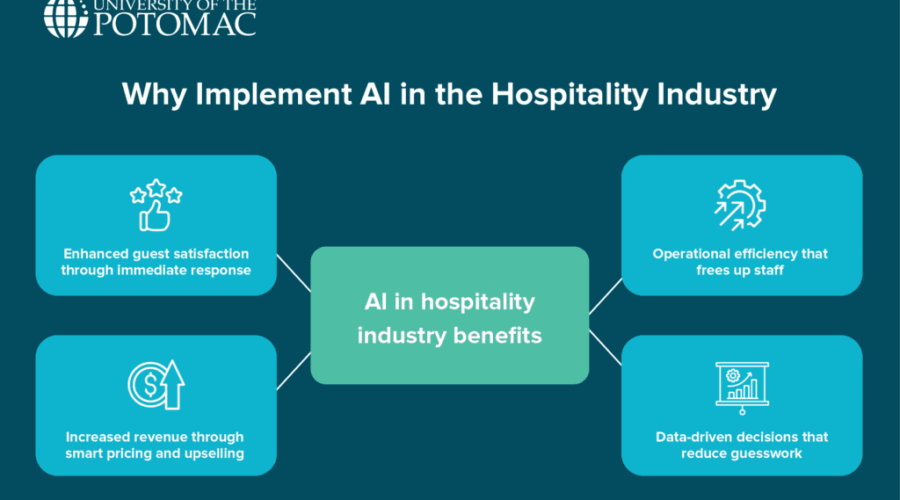
Imagine stepping into a Las Vegas resort where your every whim is anticipated before you utter a word. AI-powered chatbots now handle 70% of standard guest inquiries, from late-night room service orders to spa appointment scheduling. These digital concierges never tire, never forget, and never demand overtime. For hospitality businesses, this translates to reduced labor costs and 24/7 operational efficiency. Yet, for the human concierge who once prided themselves on knowing the city’s hidden jazz clubs or the best late-night taco spots, the shift can feel like watching their own expertise fade into the background. The challenge isn’t just about losing a job—it’s about losing the art of human connection that defines hospitality at its finest.
From Mixologists to Machine Learning: The Bartending Paradox
Picture a sleek, high-tech bar where robotic arms craft cocktails with surgical precision, their movements synchronized to the rhythm of the lounge. AI-driven mixologists can replicate recipes flawlessly, adjust drink strengths on demand, and even upsell premium ingredients with eerie accuracy. For establishments, this means consistency and scalability. For bartenders, however, the question isn’t just about job security—it’s about identity. The craft of storytelling through a well-shaken martini, the camaraderie built over shared laughter, the spontaneous connections forged in the glow of neon lights—these are the intangibles that AI cannot replicate. The real challenge lies in redefining the role of bartenders as curators of experience rather than mere drink dispensers.
The Housekeeping Revolution: Robots in the Hallways
In the quiet corridors of a luxury hotel, robotic vacuum cleaners glide silently across marble floors, their sensors mapping every dust mote. AI-powered systems track room occupancy in real time, optimizing cleaning schedules and reducing waste. For housekeeping staff, this efficiency is a double-edged sword. On one hand, the physical strain of endless vacuuming and linen changes is alleviated. On the other, the fear of redundancy looms large. Yet, the most forward-thinking hotels are not replacing staff—they’re augmenting their roles. Housekeepers are being trained to oversee robotic systems, troubleshoot technical issues, and focus on high-touch services like turndown rituals and personalized guest interactions. The challenge here isn’t obsolescence; it’s adaptation.
The Human Touch: Why AI Can’t Replace a Smile
Despite AI’s prowess, there remains an irreplaceable element in hospitality: the human touch. A guest’s laughter during a spontaneous conversation, the empathy shown during a traveler’s lost luggage crisis, the warmth of a handshake after a successful negotiation—these moments are the lifeblood of the industry. AI excels at data and repetition, but it stumbles when faced with ambiguity, emotion, and cultural nuance. The true opportunity lies in leveraging AI as a tool to free up human workers from mundane tasks, allowing them to focus on what they do best: creating unforgettable experiences. The challenge is ensuring that workers are not left behind in this transition, but instead equipped with the skills to thrive alongside their digital counterparts.
Nevada’s Path Forward: Upskilling in the Age of Algorithms
The solution for Nevada’s hospitality workforce isn’t resistance—it’s reinvention. The state’s resorts and casinos are beginning to invest in upskilling programs, teaching workers to manage AI systems, analyze guest data, and enhance their interpersonal skills. From certification courses in hospitality technology to partnerships with local community colleges, the goal is clear: transform workers into tech-savvy ambassadors of guest experience. The challenge is scaling these initiatives quickly enough to keep pace with AI’s rapid evolution. For Nevada, the stakes are high—not just for its workforce, but for the very soul of its hospitality industry.
The desert sun sets over the Strip, casting long shadows across the pavement. AI is here to stay, its algorithms humming in the background like a new kind of neon. But the future of Nevada’s hospitality workers isn’t written in code—it’s written in the stories they continue to tell, the connections they nurture, and the experiences they curate. The question isn’t whether AI is a threat or an opportunity. The real question is how Nevada’s workforce will rise to meet it.