NV Snowpack Crisis
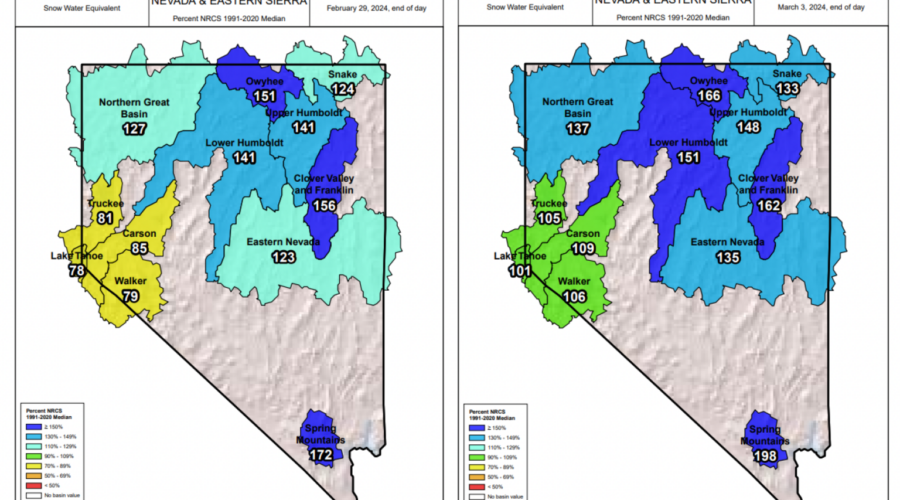
As the sun stretches its golden fingers across the Nevada landscape, casting long shadows over the parched earth, one question lingers in the crisp mountain air: What happens when the snowpack—the silent architect of life in the high desert—vanishes? For decades, the Sierra Nevada’s snowpack has been the lifeblood of Nevada’s water supply, a frozen reservoir that melts into rivers, fills reservoirs, and sustains ecosystems. But now, the snowpack is under siege. Rising temperatures, erratic precipitation, and the relentless march of climate change are rewriting the rules of survival for a region that once thrived on winter’s bounty. The crisis isn’t just a distant threat; it’s unfolding in real time, with consequences that ripple through agriculture, urban centers, and the delicate balance of nature itself.
The Vanishing Act: How Nevada’s Snowpack is Disappearing
Imagine a vast, glittering blanket of snow, meticulously layered over the peaks of the Sierra Nevada, each flake a tiny promise of water for the coming year. Now, picture that blanket thinning, its edges fraying under the relentless heat of a warming planet. Nevada’s snowpack is not just shrinking—it’s transforming. Studies show that the Sierra Nevada has lost nearly 20% of its snowpack since the 1950s, a decline that accelerates with each passing decade. The culprit? A perfect storm of rising temperatures, shifting storm tracks, and the unyielding grip of climate change. Snow that once lingered through spring now melts prematurely, leaving reservoirs half-full and rivers gasping for sustenance. The high-elevation snowpack, once a reliable bulwark against drought, is now a relic of a bygone era, its resilience eroded by forces beyond human control.
The Domino Effect: Ripples of a Shrinking Snowpack
The consequences of Nevada’s shrinking snowpack extend far beyond the mountains. Agriculture, the backbone of the state’s economy, faces a precarious future as water allocations dwindle. Farmers, who once relied on predictable snowmelt to irrigate crops, now grapple with uncertainty, their livelihoods hanging in the balance. Urban centers, too, are feeling the pinch. Las Vegas, a city that thrives in the desert, depends on snowmelt from the Colorado River and the Sierra Nevada for a significant portion of its water supply. As snowpacks shrink, so do the reserves that sustain these communities, forcing water managers to make tough choices between conservation and growth. Even the region’s ecosystems are under threat. Streams that once teemed with trout now run dry, and forests, starved of moisture, become tinderboxes for wildfires that rage with unchecked ferocity.
The Climate Wildcard: Can Nevada Adapt in Time?
In the face of such daunting challenges, Nevada is not standing idle. Innovative water conservation strategies, such as groundwater recharge programs and wastewater recycling, are gaining traction. Cities are investing in desalination plants and exploring the potential of atmospheric water harvesting. Yet, the question remains: Can these efforts outpace the relentless march of climate change? The answer is far from certain. While Nevada has made strides in reducing its water footprint, the scale of the crisis demands bolder action. The state must confront the root causes of its snowpack decline—rising temperatures and shifting weather patterns—while also preparing for a future where water scarcity is the new normal. It’s a delicate dance, one that requires foresight, collaboration, and a willingness to embrace radical change.
The Human Element: Stories from the Frontlines
Behind the statistics and policy debates are the people whose lives are directly impacted by the shrinking snowpack. In the rural communities of northern Nevada, ranchers watch as their pastures wither under the relentless sun, their cattle grazing on dust instead of lush grass. In Reno and Carson City, residents are urged to shorten their showers and fix leaky faucets, their daily routines reshaped by the specter of water rationing. Meanwhile, in the high desert, biologists scramble to save endangered species like the Lahontan cutthroat trout, their habitats shrinking as streams disappear. These stories are a reminder that the snowpack crisis is not just an environmental issue—it’s a human one, with real people bearing the weight of a changing climate.
The Nevada snowpack crisis is a cautionary tale, a glimpse into a future where water is no longer a given but a precious commodity. It’s a challenge that demands urgency, creativity, and a collective commitment to reimagining how we live in harmony with the land. The snow may be melting, but the time to act is now—before the last flakes fade into memory.