Cesar Chavez Day Controversy Could Divide Nevada Voters
Could a single day of remembrance spark a political firestorm in Nevada? As the state grapples with shifting demographics and ideological divides, the observance of Cesar Chavez Day is emerging as an unlikely flashpoint. What began as a tribute to a labor icon now threatens to deepen existing fractures among voters, exposing tensions over identity, history, and the very fabric of Nevada’s evolving social landscape. The question isn’t just whether the holiday will unite or divide—it’s how deeply the debate will resonate in a state where every vote counts.
The Historical Weight of a Labor Leader’s Legacy
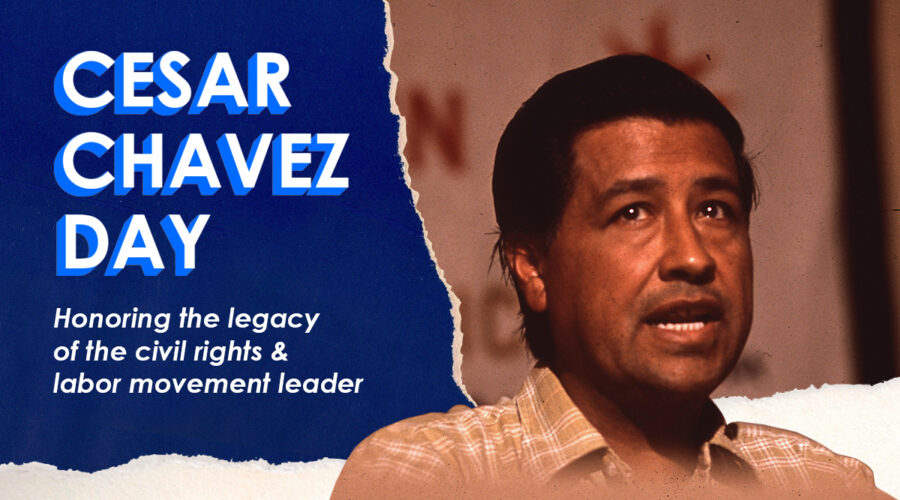
Cesar Chavez, the co-founder of the United Farm Workers union, remains a polarizing figure decades after his death. To his supporters, he embodies the struggle for workers’ rights, a beacon of solidarity in the face of corporate exploitation. His legacy is woven into the labor movement’s tapestry, a testament to grassroots activism that reshaped agricultural industries. Yet, critics argue that his legacy has been mythologized, overshadowing the complexities of his leadership and the broader labor movement’s shortcomings. In Nevada, where agriculture and hospitality industries employ vast numbers of immigrant workers, Chavez’s story resonates deeply—but not uniformly. The debate over his holiday forces a reckoning with whose history gets celebrated and why.
Nevada’s Demographic Crossroads and the Holiday’s Role
Nevada’s voter base is a mosaic of cultures, with Latino communities comprising nearly 30% of the population—a figure that grows annually. For many, Cesar Chavez Day is more than a symbolic gesture; it’s a recognition of their heritage and contributions. Yet, as the state’s political landscape tilts toward conservative resurgence, the holiday’s observance becomes a litmus test for cultural inclusion. Opponents frame it as an unnecessary concession to identity politics, while proponents see it as a necessary acknowledgment of Nevada’s diverse workforce. The tension isn’t just ideological—it’s existential, forcing voters to confront whether their state’s identity will be inclusive or exclusionary.
The Political Chessboard: Who Gains, Who Loses?
In a state where elections are often decided by razor-thin margins, the Cesar Chavez Day controversy is a strategic chess piece. Democrats may rally Latino voters by championing the holiday, while Republicans could leverage the debate to galvanize their base around cultural preservation. The stakes are high: a misstep could alienate key demographics or energize opponents. Meanwhile, independent voters—those who don’t align strictly with either party—are left to navigate a landscape where every issue feels like a zero-sum game. The holiday’s fate could set a precedent for how Nevada handles future cultural and historical debates, with ripple effects across the Southwest.
Public Sentiment: A Divide That Runs Deeper Than the Holiday
Polling data suggests that opinions on Cesar Chavez Day are as fragmented as Nevada’s electorate. Urban centers like Las Vegas and Reno lean toward celebration, viewing the holiday as a nod to their workforce’s diversity. Rural counties, however, often bristle at what they perceive as an imposition of urban values. Social media amplifies these divides, with viral videos and op-eds framing the debate in stark, often inflammatory terms. The result? A state where even a day of remembrance becomes a proxy for broader ideological battles. For voters, the question isn’t just about Chavez—it’s about what kind of Nevada they want to live in.
The Cesar Chavez Day controversy is more than a political skirmish; it’s a mirror held up to Nevada’s soul. As the state’s identity continues to evolve, the holiday’s observance—or rejection—will reveal whether its voters are willing to embrace a shared future or remain locked in the past. One thing is certain: in a place where every vote shapes destiny, the stakes couldn’t be higher.