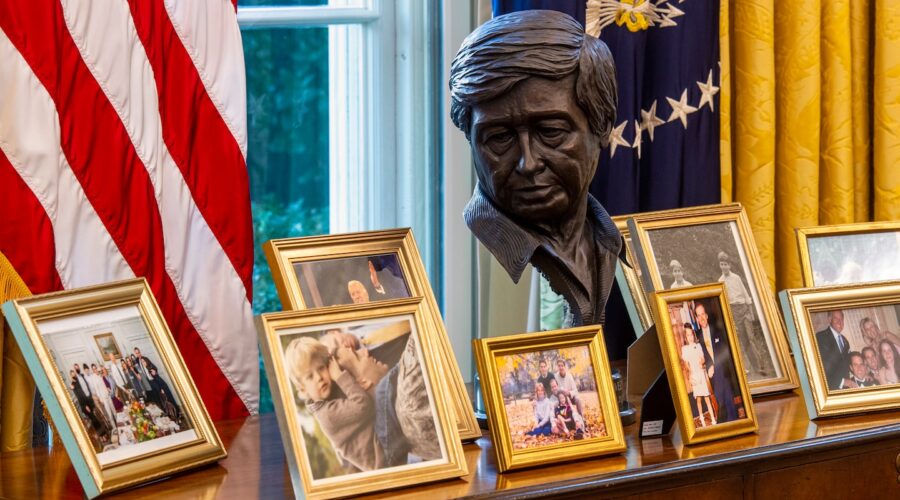
Cesar Chavez Day Removal Would Anger Nevada Labor Unions
In the arid expanse of Nevada’s political landscape, where the sun casts long shadows over both the Mojave Desert and the halls of power, a simmering controversy threatens to ignite labor unions into a firestorm of opposition. The proposal to remove César Chávez Day from the state’s roster of commemorative holidays has sent shockwaves through organized labor, sparking a debate that transcends mere calendar adjustments. For Nevada’s unions, this isn’t just about a date on the calendar—it’s a symbolic erasure of a man whose legacy is woven into the very fabric of workers’ rights. The move, perceived as a calculated affront, could redefine the state’s relationship with its labor force, turning a seemingly administrative decision into a flashpoint for industrial solidarity.
The Weight of Symbolism: Why Chávez Still Matters
César Chávez was more than a labor leader; he was a moral compass for millions of marginalized workers, particularly those in agriculture. His relentless advocacy for farm laborers, many of whom toiled under brutal conditions in Nevada’s fields, laid the groundwork for modern labor protections. For Nevada’s unions, Chávez’s legacy is a reminder of the struggles that preceded them—a history of picket lines, hunger strikes, and unyielding resistance against corporate exploitation. Removing his day from the calendar isn’t just an administrative oversight; it’s a dismissal of the sacrifices made by generations of workers who fought for fair wages, safe working conditions, and the right to organize. The unions see this as a betrayal, a signal that their contributions to the state’s economy and social fabric are being systematically undervalued.
The Political Calculus: Who Stands to Gain?
Behind the proposal lies a web of political motivations, some overt, others shrouded in ambiguity. Critics argue that the move aligns with a broader trend of diminishing labor’s influence in state policymaking. In Nevada, where tourism and hospitality industries dominate, labor unions wield significant power, often dictating the terms of employment for thousands. By targeting Chávez Day, detractors suggest, certain factions may be attempting to weaken union cohesion before pivotal legislative battles. The timing is no coincidence—with right-to-work laws and wage disputes looming, the removal of Chávez Day could serve as a preemptive strike against organized labor’s ability to mobilize. For unions, this is less about a holiday and more about preserving their hard-won leverage in a state where their voice has long been a counterbalance to corporate interests.
The Ripple Effect: How Labor Unions Could Respond
The backlash from Nevada’s unions is expected to be swift and multifaceted. Already, labor leaders have begun rallying their members, framing the issue as a litmus test for the state’s commitment to workers’ rights. Calls for protests, boycotts, and legislative countermeasures are gaining traction, with unions threatening to leverage their political capital in upcoming elections. The Nevada State AFL-CIO has hinted at a coordinated response, including potential legal challenges and public campaigns to reinstate the holiday. But the repercussions could extend beyond Nevada’s borders. If successful, this move might embolden similar efforts in other states, setting a dangerous precedent for labor rights nationwide. For unions, the stakes couldn’t be higher—their response will determine whether they remain a formidable force or cede ground to forces that seek to diminish their influence.
A State Divided: The Cultural and Economic Implications
Beyond the political maneuvering, the debate over Chávez Day has exposed deep cultural divides within Nevada. For the state’s Latino community, Chávez’s legacy is sacred—a symbol of resilience and dignity in the face of systemic oppression. His principles of nonviolence and collective action resonate deeply, particularly in a state where immigrant labor forms the backbone of key industries. Economically, the removal of Chávez Day could have unintended consequences. Nevada’s tourism sector, already sensitive to labor disputes, may face renewed scrutiny if unions escalate their campaigns. Moreover, the state’s reputation as a bastion of worker-friendly policies could suffer, deterring businesses that prioritize fair labor practices. The unions’ outrage isn’t just ideological; it’s a pragmatic defense of a system that has, for decades, balanced power between employers and employees.
The question now is whether Nevada’s leaders will heed the warnings or double down on a decision that risks alienating a critical constituency. The unions’ resolve is unwavering, and their fight is far from over. In the end, the removal of César Chávez Day may do more than erase a holiday—it could ignite a movement that reshapes Nevada’s political and social landscape for years to come.