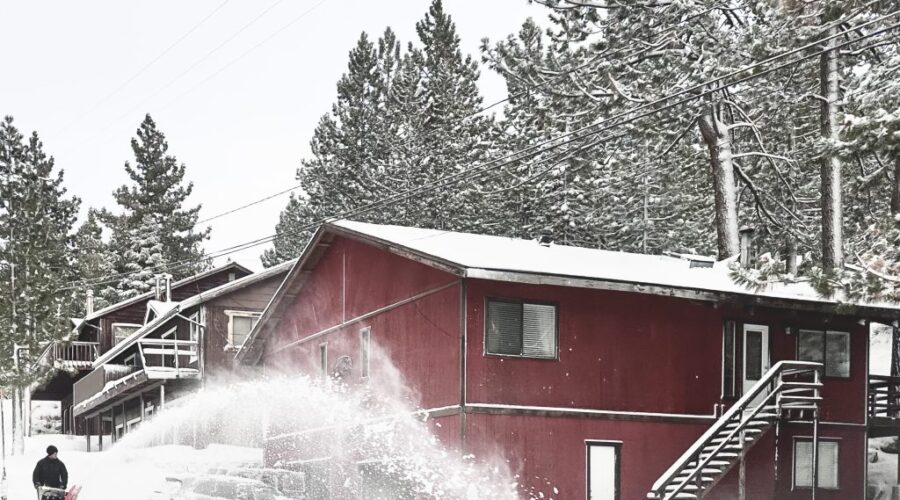
17% Snowpack Means No Green Lawns This Summer Tahoe
The Tahoe basin, a jewel cradled in the Sierra Nevada’s embrace, faces a stark reality this winter: its snowpack languishes at a mere 17% of historical averages. This isn’t just a statistic—it’s a harbinger of parched summers, where the once-lush emerald lawns of lakeside homes may wither into brittle husks. The implications stretch beyond aesthetics, reshaping ecosystems, economies, and the very rhythm of life in one of the West’s most cherished landscapes.
The Vanishing Blanket: A Winter’s Betrayal
Snowpack is more than frozen water—it’s a seasonal reservoir, a slow-release lifeline that sustains rivers, replenishes groundwater, and cools the air as it melts. At 17%, Tahoe’s snowpack is a shadow of its former self, a skeletal remnant of winters past. The Sierra Nevada, typically draped in a thick, insulating quilt by February, now wears a patchwork of bare earth and skeletal trees. This isn’t just a dry spell; it’s a structural shift in the region’s hydrological balance. The absence of snow means less runoff in spring, less moisture seeping into the soil, and less water trickling into the lake itself. For a basin that relies on snowmelt for 60% of its annual water supply, the stakes couldn’t be higher.
Lawns as Relics: The Death of a Landscape
Green lawns in Tahoe have long been a symbol of prosperity—a testament to the region’s alpine charm and the indulgence of its residents. But this summer, those lawns may become relics of a bygone era. With reservoirs projected to dip below critical levels, water restrictions will likely tighten, forcing homeowners to choose between tradition and survival. The alternatives—xeriscaping, artificial turf, or native ground cover—aren’t just eco-friendly choices; they’re acts of defiance against a changing climate. The aesthetic cost is undeniable, but the environmental necessity is non-negotiable. Tahoe’s identity is being rewritten, one blade of grass at a time.
The Ripple Effect: Beyond the Backyard
The consequences of a meager snowpack extend far beyond manicured lawns. The Tahoe tourism industry, built on winter sports and summer recreation, faces a precarious future. Ski resorts may struggle to maintain slopes, while boating and fishing industries could see diminished seasons. Wildlife, from the elusive Sierra Nevada bighorn sheep to the vibrant Lahontan cutthroat trout, will face habitat compression as water levels drop. Even the lake’s famous clarity could suffer, as reduced snowmelt alters nutrient flows and sediment distribution. Tahoe isn’t just a playground; it’s an ecosystem teetering on the edge of imbalance.
Adaptation or Illusion? The Path Forward
Facing this reality demands more than temporary fixes—it requires a fundamental rethinking of how we coexist with the land. Municipalities are already exploring desalination, wastewater recycling, and cloud-seeding technologies, but these solutions come with their own ecological and financial costs. The most sustainable path may lie in embracing austerity: smaller lawns, drought-resistant landscaping, and a collective acknowledgment that abundance is no longer guaranteed. Tahoe’s future hinges on whether its residents can pivot from denial to adaptation, trading nostalgia for resilience.
The 17% snowpack isn’t just a warning—it’s a reckoning. Tahoe’s summers may soon be defined by scarcity rather than splendor, but within that scarcity lies an opportunity. To redefine beauty not by the lushness of a lawn, but by the health of the land itself. The choice is ours: cling to the past or cultivate a future that honors the basin’s fragile majesty.