Lake Tahoe’s 17% Snowpack: A Photographer’s Perspective
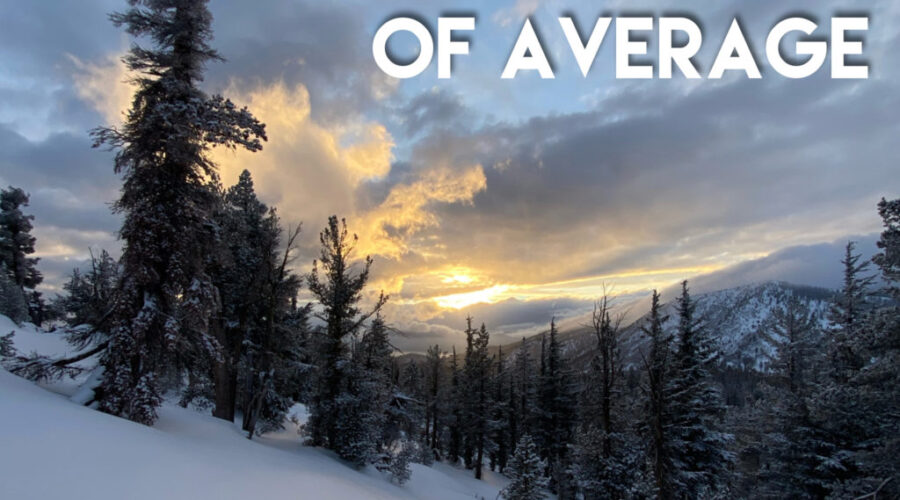
As the first light of dawn fractures the horizon, casting a molten gold across the crystalline expanse of Lake Tahoe, the landscape hums with an almost imperceptible tension. The snowpack, that vast and silent reservoir of winter’s breath, clings to the mountainsides at a mere 17% of its historical average. To the casual observer, this might appear as a mere statistical anomaly—a fleeting dip in the rhythm of the seasons. Yet, for those who wield a camera as both witness and interpreter, it is an invitation to peer beneath the surface, to uncover the stories whispered by the thinning veil of white.
The Illusion of Emptiness
At first glance, the reduced snowpack may seem like a void, a stark absence where once there was abundance. The granite peaks, usually draped in a thick, undulating blanket, now stand partially exposed, their craggy bones jutting into the sky like the ribs of some slumbering titan. Yet, this perceived emptiness is deceptive. The snow that remains is not merely diminished in quantity; it is concentrated in its essence. Each crystal, each frozen droplet, holds the memory of storms past, the weight of seasons compressed into a fragile, glittering tapestry. The photographer, attuned to these subtleties, finds beauty not in the fullness of the snowpack, but in the way its scarcity reveals the underlying topography—every ridge, every gully, every hidden crevice laid bare as if in a topographic revelation.
The Play of Light and Shadow
The diminished snowpack transforms the play of light across the landscape into something almost theatrical. Without the uniform white canvas, shadows stretch longer, more dramatically, carving the terrain into a chiaroscuro of contrasts. The sun, no longer diffused by an unbroken blanket, strikes the exposed earth with a fierceness that ignites the rocks with hues of ochre and rust. For the photographer, this is a masterclass in chiaroscuro, where the interplay of light and shadow becomes a narrative device, telling stories of erosion, of ancient fires, of the land’s slow but relentless evolution. The camera becomes a tool not just for capturing images, but for decoding the land’s hidden language.
The Fragility of Balance
There is a quiet urgency to the 17% snowpack, a reminder of the delicate balance that sustains this alpine ecosystem. The snow, once a reliable insulator for the soil beneath, now melts prematurely, leaving the earth vulnerable to the whims of wind and rain. For the photographer, this fragility is both a challenge and a muse. The urgency to document the landscape before it changes irrevocably becomes a driving force, a race against time to preserve the ephemeral. Yet, there is also a profound beauty in this impermanence—the way the melting snow reveals the first tentative sprouts of spring, the way the water trickles into streams, carrying with it the promise of renewal. The camera captures not just the landscape, but the tension between decay and rebirth.
The Human Connection
Beyond the aesthetic, the reduced snowpack speaks to a deeper human connection to the land. For generations, the snow has been a symbol of resilience, a marker of the seasons, a source of water for communities downstream. Its scarcity is not just a scientific observation; it is a cultural shift, a disruption of the rhythms that have shaped lives for centuries. The photographer, standing at the edge of the lake or perched on a mountain ridge, feels this connection acutely. The camera becomes a bridge between the personal and the universal, a way to communicate the emotional weight of these changes. The images produced are not just records of a landscape; they are testaments to the enduring relationship between humanity and the natural world.
As the day wanes and the light softens, the photographer packs away their gear, the memory of the day’s revelations etched into their mind. The 17% snowpack, once seen as a mere statistic, has been transformed into a story—a story of light and shadow, of fragility and resilience, of the unspoken dialogue between the land and those who observe it. In the end, the camera does not just capture images; it captures the soul of the landscape, revealing the deeper truths that lie beneath the surface of the visible world.