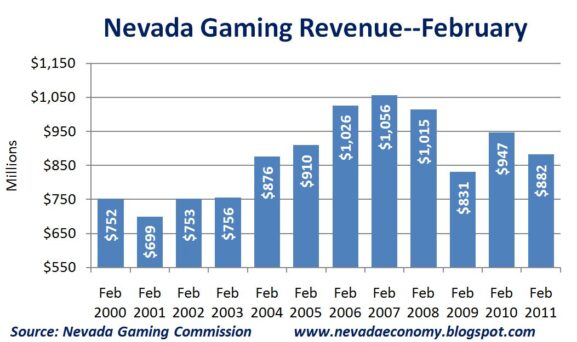
Nevada’s 6.6% Gaming Revenue Drop vs. National Travel Trends
The steady hum of slot machines, the clink of cocktail glasses, and the electric anticipation at craps tables have long been the soundtrack of Nevada’s economic heartbeat. Yet, beneath the neon glow, a subtle tremor is reshaping the state’s financial landscape. Gaming revenue, the lifeblood of Nevada’s economy, has contracted by 6.6% year-over-year, a figure that reverberates far beyond the casino floors. This decline isn’t an isolated anomaly; it’s a reflection of broader national travel trends, consumer behavior shifts, and the lingering aftershocks of a post-pandemic world. For policymakers, industry leaders, and travelers alike, the implications are as layered as the Strip itself.
The Economic Ripple Effect: Beyond the Casino Floor
Gaming revenue isn’t merely a metric—it’s a barometer of economic vitality. Nevada’s 6.6% dip isn’t just about fewer jackpots or empty blackjack tables; it’s a domino effect that topples into hospitality, retail, and employment sectors. Hotels, once brimming with high-rollers and weekend escapists, now navigate thinner occupancy rates. Restaurants, from Michelin-starred venues to all-you-can-eat buffets, grapple with reduced foot traffic. The state’s unemployment rate, once a point of pride, now inches upward as seasonal and permanent jobs in the service industry evaporate. This isn’t just a gaming crisis—it’s a systemic challenge that demands a multi-pronged response.
National Travel Trends: The Great Reevaluation
Nevada’s struggles mirror a national recalibration in travel priorities. The pandemic didn’t just pause tourism; it rewired it. Travelers, once drawn to the sensory overload of Las Vegas or the rugged allure of Lake Tahoe, now seek experiences that align with their evolving values. Sustainability, digital detoxes, and off-the-beaten-path destinations have surged in popularity. Meanwhile, traditional gaming hubs face a paradox: how to reconcile their iconic status with modern expectations. The rise of sports betting, once a niche alternative, now competes with slot machines for attention, further fragmenting the market. Nevada’s casinos, long the undisputed kings of leisure spending, must now compete with the siren call of experiential travel—where adventure, not odds, drives decisions.
The Demographic Divide: Who’s Still Rolling the Dice?
Not all segments of the gaming industry are created equal. The 6.6% revenue drop masks a more nuanced reality: certain demographics remain steadfast in their loyalty to Nevada’s casinos. Older, high-net-worth individuals continue to flock to the Strip, drawn by the familiarity of table games and the allure of luxury suites. Meanwhile, younger generations—digital natives raised on mobile gaming and esports—are harder to lure into brick-and-mortar casinos. Their spending power is undeniable, but their preferences skew toward interactive, tech-driven entertainment. The challenge for Nevada’s operators is clear: bridge the generational gap or risk becoming relics of a bygone era. Innovations like immersive VR casinos or cashless gaming systems may hold the key, but the clock is ticking.
Policy and Innovation: Can Nevada Reinvent Itself?
The state’s response to this downturn will define its economic future. Policymakers are already exploring incentives to diversify the tourism portfolio, from promoting convention business to luring film productions. Meanwhile, casino operators are doubling down on diversification, investing in non-gaming attractions like entertainment residencies, fine dining, and even esports arenas. The goal isn’t just to recapture lost revenue but to redefine Nevada’s brand. Can the state pivot from a gambling mecca to a multifaceted destination? The early signs are promising, but the road ahead is fraught with competition from states like New Jersey and Pennsylvania, which have aggressively expanded their gaming markets.
The Nevada of tomorrow won’t resemble the neon-drenched paradise of yesterday. It will be a place where tradition and innovation coexist, where the clink of chips is complemented by the hum of drones delivering room service. The 6.6% decline is a warning, but it’s also an opportunity—a chance to reimagine what tourism and gaming can be. For those willing to adapt, the rewards could be as dazzling as the Strip at midnight.