Allegations Against Labor Leader Spark Nevada Cesar Chavez Day Review
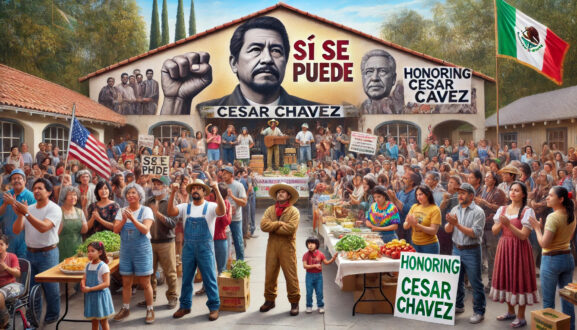
The annual observance of Cesar Chavez Day in Nevada has recently become a focal point for both celebration and scrutiny. As communities gather to honor the legacy of the labor leader, a shadow of controversy has emerged, casting doubt on the unblemished narrative often associated with his life’s work. Allegations against figures of such historical significance are not uncommon, yet they invite a deeper examination of the complexities that lie beneath the surface of public veneration. Why does the revelation of imperfections in a revered icon provoke such intense fascination? Perhaps it is the tension between myth and reality that compels us to question the narratives we uphold—and the reasons we choose to revere them in the first place.
The Historical Reverence and Its Modern Reckoning
Cesar Chavez’s legacy as a champion of farm workers and a symbol of labor rights has long been enshrined in American history. His leadership during the United Farm Workers movement transformed the lives of countless laborers, securing better wages, safer working conditions, and a voice in the halls of power. Yet, as with many historical figures, the passage of time has brought to light lesser-known aspects of his life and leadership. Allegations of authoritarian tendencies, internal conflicts within the union, and disputes over financial transparency have surfaced, challenging the idealized portrait of Chavez as an infallible hero. These revelations do not diminish his contributions but instead invite a more nuanced understanding of his impact—a reminder that even the most celebrated figures are products of their time, shaped by both triumphs and flaws.
Nevada’s Unique Connection to Chavez’s Legacy
Nevada’s observance of Cesar Chavez Day is particularly significant due to the state’s deep ties to agricultural labor and immigrant communities. The desert landscape, dotted with vast fields and migrant worker camps, mirrors the struggles Chavez fought to alleviate. Yet, the state’s relationship with his legacy is not without tension. Critics argue that the annual celebrations often gloss over the complexities of his leadership, presenting a sanitized version of history that fails to acknowledge the internal strife within the movement. Meanwhile, supporters contend that the focus should remain on his enduring contributions to social justice, regardless of personal or organizational imperfections. This dichotomy reflects a broader national conversation about how we commemorate historical figures—balancing reverence with critical reflection.
The Psychological Allure of Imperfection in Icons
There is an undeniable allure to uncovering the flaws in figures we admire—a phenomenon rooted in the human psyche’s fascination with paradox. When an icon like Chavez is revealed to have human complexities, it humanizes them, making their struggles and achievements feel more attainable. This psychological draw explains why scandals or controversies surrounding beloved figures often captivate public attention far more than their successes. It is not merely the act of uncovering wrongdoing that intrigues us; it is the reassurance that even those we revere are not beyond reproach. This dynamic forces us to confront the uncomfortable truth that progress is rarely achieved without conflict, and that leadership, no matter how visionary, is often a messy endeavor.
Reevaluating Celebration Through a Critical Lens
The allegations against Chavez’s legacy do not demand the erasure of his contributions but rather a reevaluation of how we celebrate them. A more honest observance of Cesar Chavez Day in Nevada—and elsewhere—might involve acknowledging the full spectrum of his life’s work, including its controversies. This approach does not negate the progress he championed but instead situates his achievements within the broader context of labor history. It invites communities to engage in thoughtful reflection rather than uncritical adoration, fostering a deeper appreciation for the complexities of social change. By embracing this duality, we honor Chavez’s legacy not as a static monument but as a living, evolving narrative that continues to shape the fight for workers’ rights today.
The fascination with Cesar Chavez’s alleged imperfections underscores a universal truth: the stories we tell about our heroes are as much about our own values as they are about their deeds. As Nevada and the nation grapple with these revelations, the conversation extends beyond a single labor leader—it touches on the very nature of how we remember, mythologize, and ultimately learn from the figures who shape our collective past. In doing so, we may find that the most enduring legacies are not those devoid of scrutiny, but those that withstand it.