17% Snowpack at Lake Tahoe: What It Means for Nevada’s Summer Water Supply
The Sierra Nevada’s snowpack, a lifeline for Nevada’s arid landscapes, has dwindled to a mere 17% of its historical average. This stark figure isn’t just a statistic—it’s a harbinger of the challenges ahead for water managers, farmers, and residents alike. As the region braces for a summer of parched earth and dwindling reservoirs, the implications ripple far beyond the mountain’s shadow. From the alpine meadows where snowmelt begins its journey to the urban faucets that quench the thirst of Reno and Las Vegas, every drop counts. What does this unprecedented low snowpack mean for Nevada’s water supply, and how will it reshape the state’s relationship with this precious resource?
The Vanishing Snowpack: A Crisis in the High Country
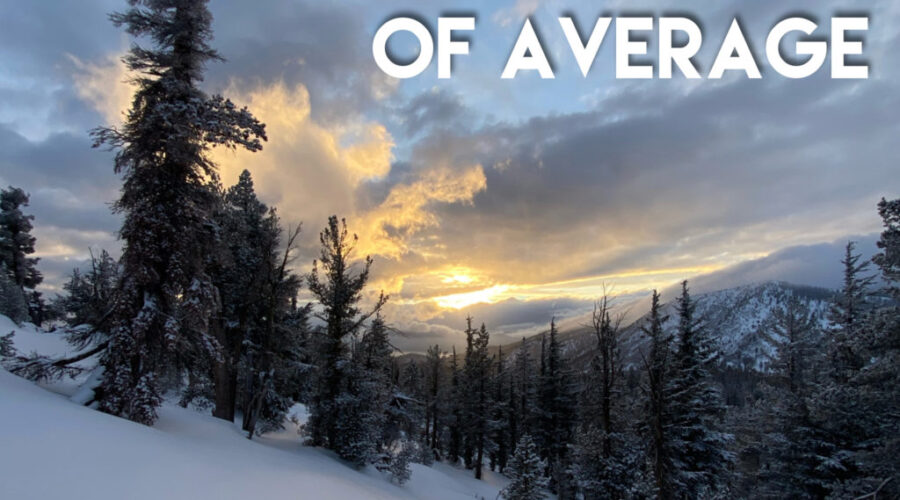
The Sierra Nevada’s snowpack acts as nature’s reservoir, storing water in frozen form through winter and releasing it gradually as temperatures rise. At 17% of average, this year’s snowpack is a shadow of its former self, a consequence of warmer winters and erratic precipitation patterns. The high country, once blanketed in thick layers of snow, now reveals bare patches of granite and soil, a stark visual testament to the changing climate. This deficit isn’t isolated—it’s part of a broader trend where snowpack levels have trended downward over the past decade, leaving water managers with fewer tools to predict and plan.
Nevada’s Water Tapestry: How the Snowpack Feeds the State
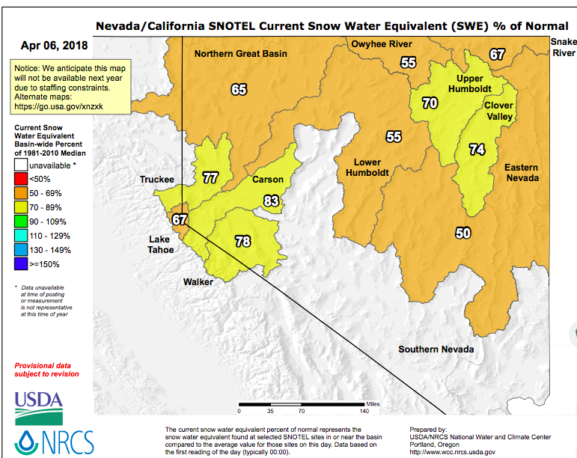
Nevada’s water supply is an intricate web, woven together by snowmelt from the Sierra Nevada and the Colorado River. The Truckee, Carson, and Walker Rivers, all fed by Sierra snowpack, are critical arteries for the state’s agriculture, ecosystems, and urban centers. When snowpack is low, these rivers run thin, forcing water districts to tap into alternative sources like groundwater or stored reserves. The Truckee River, for instance, supplies Reno with much of its water, while the Colorado River—already strained by overuse—becomes even more vital for Southern Nevada. A diminished snowpack accelerates the depletion of these reserves, creating a domino effect that threatens both supply and reliability.
Agriculture on the Brink: The Farmer’s Dilemma
For Nevada’s farmers, the 17% snowpack is a gut punch. The state’s agricultural sector, particularly in the fertile valleys of Fernley and Fallon, relies heavily on irrigation from snow-fed rivers. With less water available, farmers face a brutal calculus: do they fallow fields, invest in costly water-saving technologies, or risk crop failures? Alfalfa, a water-intensive crop, may see reduced yields, while vineyards and orchards could struggle to maintain their delicate balance of moisture. The economic ripple effects are profound, threatening livelihoods and the local food supply chain. As farmers adapt to this new reality, the question lingers: how long can Nevada’s agricultural heart beat without its lifeblood?
Urban Resilience: Preparing for a Drier Future
Cities like Las Vegas and Reno are no strangers to water scarcity, but the 17% snowpack forces a reckoning with long-term sustainability. Las Vegas, which draws 90% of its water from Lake Mead, is already a global leader in conservation, with strict watering schedules and incentives for desert-friendly landscaping. Yet, even these measures may not be enough if the Colorado River’s levels continue to drop. Reno, dependent on the Truckee River, faces its own challenges, from groundwater depletion to the need for infrastructure upgrades. The urban response must be multifaceted: from public awareness campaigns to investments in water recycling and desalination, the clock is ticking.
Ecosystems in Peril: The Silent Victims of Low Snowpack
Beneath the surface of Nevada’s water crisis lies an ecological emergency. The Sierra’s snowpack doesn’t just quench human thirst—it sustains entire ecosystems. Reduced snowmelt means lower river flows, which in turn threaten fish populations like the Lahontan cutthroat trout, a species already teetering on the edge of survival. Wetlands, critical for migratory birds, dry up, while forests become more susceptible to wildfires. The ripple effects extend to the Great Basin’s delicate balance, where species like the sage grouse depend on seasonal water availability. The loss of snowpack isn’t just a hydrological issue; it’s an existential threat to biodiversity.
Adaptation and Innovation: Charting a Path Forward
In the face of this crisis, innovation becomes the lifeline. Nevada’s water managers are exploring a suite of strategies, from expanding water recycling programs to investing in cloud-seeding technology. Groundwater recharge projects, like those in the Las Vegas Valley, aim to replenish aquifers depleted by overuse. Meanwhile, agricultural communities are turning to precision irrigation and drought-resistant crops to stretch every drop. The challenge is not just technological but cultural—shifting from a mindset of abundance to one of stewardship. As the state adapts, the lessons learned here could serve as a blueprint for other regions grappling with the same existential threat.
The 17% snowpack at Lake Tahoe is more than a warning sign—it’s a call to action. For Nevada, the path forward demands resilience, foresight, and a willingness to reimagine how water is used, conserved, and valued. The choices made today will echo through the decades, shaping the state’s landscapes, economies, and communities for generations to come. In the shadow of the Sierra’s diminished peaks, the future of Nevada’s water supply hangs in the balance, a fragile thread that connects us all to the land we call home.