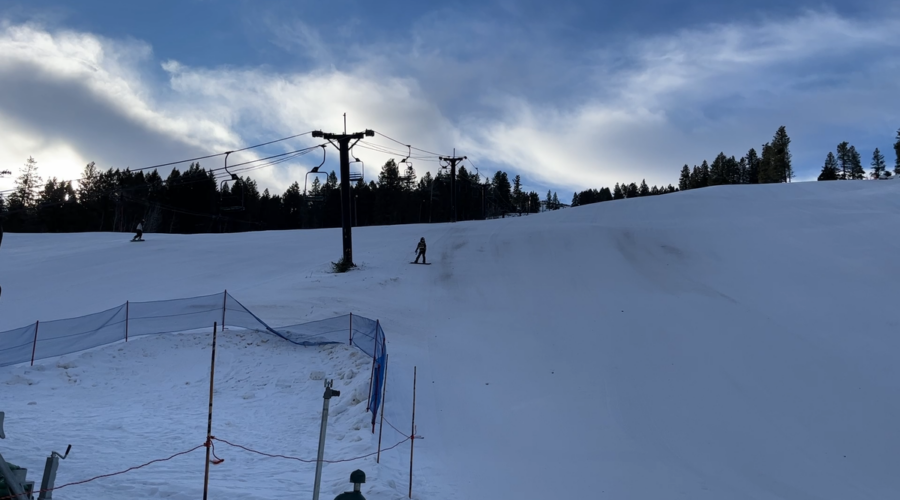
The Impact of 17% Snowpack on Nevada’s Local Ski Resorts
The Impact of 17% Snowpack on Nevada’s Local Ski Resorts
Nevada’s ski resorts, once blanketed in pristine white powder, now face a stark reality: a snowpack that has dwindled to just 17% of its historical average. This deficit isn’t merely a seasonal aberration—it’s a harbinger of broader environmental shifts reshaping the very foundation of winter recreation. As temperatures creep upward and precipitation patterns grow erratic, the consequences ripple far beyond the ski slopes, forcing resorts to adapt or risk obsolescence. The question isn’t whether these changes will persist, but how deeply they will alter the cultural and economic fabric of Nevada’s high-country communities.
The Vanishing Foundation: Snowpack and Its Ecological Fragility
The snowpack serves as nature’s reservoir, storing water through the winter months and releasing it gradually during the spring thaw. In Nevada, where arid landscapes dominate, this frozen reserve is the lifeblood of both ecosystems and economies. A 17% snowpack doesn’t just mean thinner slopes—it signals a cascading imbalance. Streams that once teemed with life now trickle, groundwater levels recede, and alpine flora, adapted to decades of reliable snowfall, struggle to survive. The absence of snow also exposes soil to erosion, further degrading the terrain that ski resorts rely on for their infrastructure. Without intervention, these changes could render entire sections of the mountainside unstable, threatening lifts, trails, and even the safety of visitors.
Economic Erosion: The Financial Toll on Local Ski Industries
The financial strain on Nevada’s ski resorts is as palpable as the chill in the air. With fewer powder days, ticket sales plummet, and the seasonal workforce—often composed of students and part-time laborers—faces uncertainty. Many resorts have resorted to artificial snowmaking, a costly endeavor that demands vast amounts of energy and water, resources that are becoming increasingly scarce. The ripple effects extend to nearby businesses: lodges, restaurants, and gear shops all depend on a robust ski season to sustain their operations. When snow is scarce, the entire winter tourism ecosystem falters, leaving communities grappling with lost revenue and the specter of long-term decline. Some resorts have begun diversifying, offering summer activities like mountain biking or zip-lining, but these adaptations come with their own challenges, from infrastructure costs to shifting brand identities.
Cultural Shifts: The Changing Face of Winter Recreation
Skiing in Nevada has long been more than a sport—it’s a cultural touchstone, a tradition passed down through generations. Yet as snowpack diminishes, so too does the allure of the sport for newcomers. Families who once looked forward to weekend trips now face the reality of icy, patchy slopes or, worse, closed trails. The demographic of visitors is shifting as well; younger generations, environmentally conscious and drawn to experiences over materialism, may opt for alternative winter activities or forgo the slopes entirely. Resorts are responding with innovative programs, such as discounted season passes for locals or partnerships with schools to introduce children to skiing early. Still, the challenge remains: how to preserve the magic of winter in an era where the snow itself is becoming a luxury.
Adaptation in the Face of Adversity: Strategies for Survival
Innovation is the lifeline for Nevada’s ski resorts. Some have invested in advanced snowmaking technology, capable of producing snow in warmer conditions than traditional systems. Others are exploring hybrid models, blending winter sports with year-round attractions to attract visitors regardless of the season. Climate-resilient landscaping, such as planting drought-tolerant vegetation, helps stabilize the terrain and reduce erosion. Meanwhile, resorts are collaborating with scientists to monitor snowpack levels and adjust operations accordingly, ensuring that resources are allocated where they’re most needed. These adaptations aren’t just about survival—they’re about redefining what it means to thrive in a changing world. Yet even the most forward-thinking strategies come with trade-offs, raising ethical questions about water usage, energy consumption, and the long-term sustainability of the industry.
The 17% snowpack is more than a statistic—it’s a wake-up call. For Nevada’s ski resorts, the path forward demands resilience, creativity, and a willingness to confront uncomfortable truths. The mountains may no longer be as white as they once were, but their future is far from written. As resorts navigate this uncharted terrain, they hold the power to redefine winter recreation, not as a relic of the past, but as a testament to human ingenuity in the face of nature’s relentless evolution.