Breaking: The Loop Plans to Modify Existing Las Vegas Monorail Tracks
The Las Vegas Monorail, a vital artery of the city’s transportation network, is poised for a transformative overhaul. The Loop, the ambitious high-speed transit venture spearheaded by Elon Musk’s The Boring Company, has announced plans to repurpose and enhance the existing monorail tracks. This strategic pivot promises to redefine urban mobility in Las Vegas, blending innovation with practicality. As commuters and tourists alike brace for change, understanding the implications of this modification is essential. Below, we delve into the key aspects of this development, from engineering challenges to passenger experience, to illuminate what lies ahead.
The Evolution of a Transit Icon: Why Modify the Monorail?
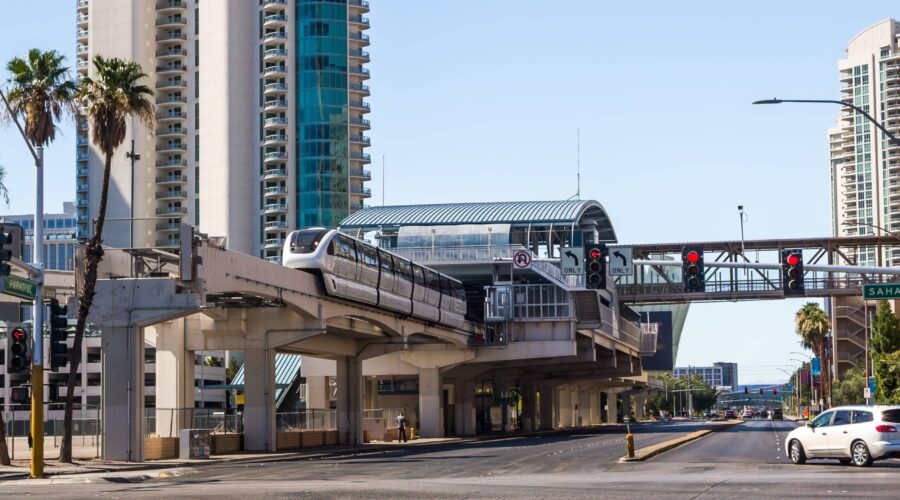
The Las Vegas Monorail, operational since 2004, has long been a symbol of the city’s commitment to cutting-edge transportation. However, its aging infrastructure and limited capacity have become increasingly apparent in a city that never sleeps. The Loop’s proposal to retrofit the monorail tracks with its proprietary high-speed pod system offers a dual advantage: leveraging existing right-of-way while introducing state-of-the-art technology. This hybrid approach minimizes disruption to the urban landscape while maximizing efficiency. Engineers anticipate that the modifications will not only boost speed—potentially reducing travel time between key stops—but also enhance sustainability through reduced energy consumption and emissions.
Engineering Marvels: The Technical Blueprint
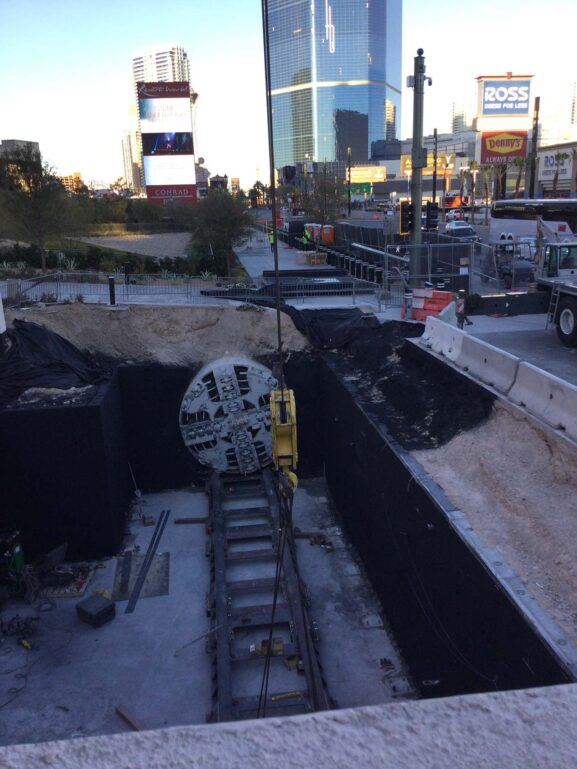
Repurposing the monorail tracks for The Loop’s high-speed pods is no small feat. The existing elevated concrete beams, designed for monorail trains, must be reinforced to accommodate the lighter, more agile pods. Structural assessments reveal that while the foundation remains robust, adjustments to the guideway and support columns are necessary to ensure stability at higher velocities. Additionally, the integration of The Loop’s autonomous navigation system requires meticulous calibration to synchronize with the monorail’s existing signaling infrastructure. Early renderings depict a sleek, streamlined design where pods glide seamlessly alongside traditional monorail trains, creating a dynamic transit ecosystem.
Passenger Experience: What to Expect
For the 40,000 daily riders who rely on the monorail, the transition to The Loop’s hybrid system will be both subtle and transformative. Commuters can anticipate shorter wait times, thanks to the pods’ rapid acceleration and decentralized boarding process. The Loop’s user-centric design eliminates the need for centralized stations, allowing passengers to board and alight at multiple points along the route. This decentralization not only reduces congestion but also enhances accessibility for tourists navigating the Strip. Furthermore, the integration of real-time tracking and contactless payment systems promises a frictionless experience, aligning with Las Vegas’ reputation for seamless service.
Economic and Environmental Implications
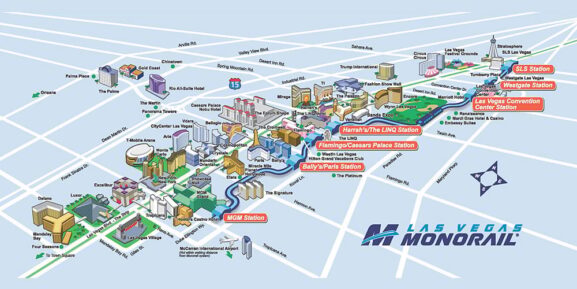
The economic ripple effects of this modification extend far beyond the transit system itself. By enhancing connectivity between major hubs like the Las Vegas Convention Center and Harry Reid International Airport, The Loop aims to stimulate local businesses and tourism. Retailers and hospitality venues along the route stand to benefit from increased foot traffic, while reduced traffic congestion on nearby roads could alleviate some of the city’s notorious gridlock. Environmentally, the shift to electric-powered pods aligns with Las Vegas’ sustainability goals, potentially reducing the monorail’s carbon footprint by up to 30%. This eco-conscious upgrade positions the city as a leader in green urban transit.
Challenges and Controversies
No major transit overhaul is without its detractors. Critics argue that retrofitting existing infrastructure may lead to temporary service disruptions, a concern that city planners are actively addressing through phased implementation. Safety remains a paramount priority, with rigorous testing protocols scheduled for both the modified tracks and the new pods. Additionally, the project’s $500 million budget has sparked debates about fiscal responsibility, though proponents highlight long-term savings in maintenance and operational costs. Public forums and stakeholder engagements are underway to address these concerns, ensuring transparency and community buy-in.
As Las Vegas continues to evolve, so too must its transit systems. The Loop’s ambitious plan to modify the monorail tracks represents a bold step toward a more connected, efficient, and sustainable future. While challenges persist, the potential rewards—faster commutes, reduced emissions, and enhanced urban vibrancy—paint a compelling picture of progress. For a city that thrives on reinvention, this transit transformation is not just an upgrade; it’s a testament to Las Vegas’ enduring spirit of innovation.