The Vegas Loop in 2030: Fully Integrated Monorail and Tunnel System?
The Vegas Loop in 2030: Fully Integrated Monorail and Tunnel System?
The neon glow of Las Vegas has long been synonymous with spectacle, but beneath its dazzling surface lies a labyrinth of infrastructure quietly evolving to meet the demands of a city that never sleeps. By 2030, the Vegas Loop—a sprawling network of subterranean tunnels and elevated monorails—could redefine urban mobility, not just in Nevada, but as a blueprint for metropolises worldwide. The question isn’t whether this vision is possible, but how it will reshape the way we perceive speed, space, and the very fabric of city life.
The Evolution of Urban Transit: From Congestion to Conduit
Las Vegas is no stranger to innovation in transportation. The monorail, introduced in 2004, was a bold experiment in moving people efficiently through a city where gridlock is a daily reality. Yet, even its most ardent supporters would admit it was a stopgap—a linear artery struggling to keep pace with the city’s explosive growth. The tunnels, on the other hand, represent a paradigm shift: a subterranean circulatory system designed to bypass the chaos above. By 2030, the integration of these two modes could create a seamless, multi-layered transit network, where monorails glide above the fray while autonomous pods zip through the depths below.
This isn’t merely about speed; it’s about reclaiming the city’s soul. Traffic jams don’t just delay commutes—they erode the human experience, turning streets into parking lots and sidewalks into obstacle courses. A fully integrated system would liberate the urban landscape, allowing pedestrians to reclaim public spaces and businesses to thrive without the specter of gridlock looming overhead. The deeper implication? Cities aren’t just collections of buildings and roads—they’re ecosystems, and mobility is the lifeblood that sustains them.
The Monorail’s Renaissance: Elevated Efficiency Meets Aesthetic Ambition
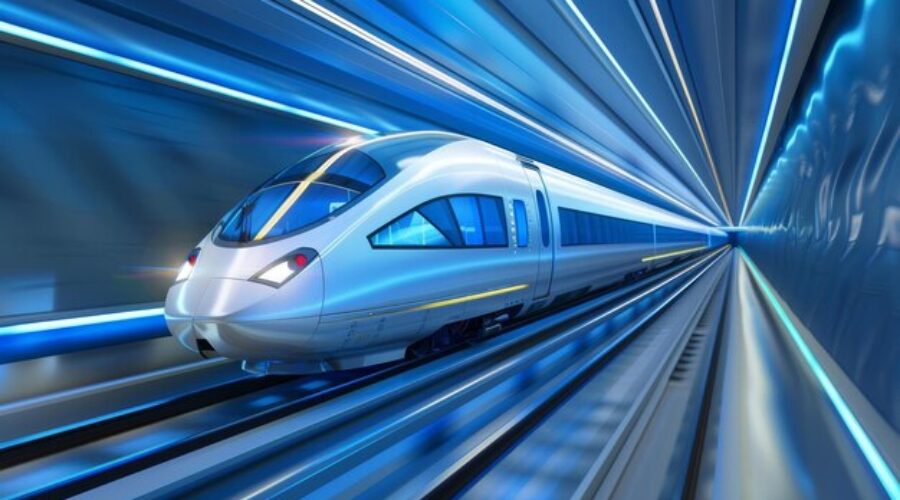
Critics of the monorail have long dismissed it as a relic of mid-century futurism, a clunky monolith of concrete and steel. Yet, by 2030, the technology could undergo a renaissance. Modern monorails are sleeker, quieter, and more energy-efficient, their elevated tracks weaving through the city like elevated veins. Imagine a network where trains glide on magnetic levitation, their carbon footprints negligible, their routes dynamically adjusted to real-time demand. The aesthetic potential is equally compelling: transparent pods offering panoramic views of the Strip, or stations designed as architectural landmarks, blurring the line between transit and destination.
The deeper fascination lies in the monorail’s ability to transcend its utilitarian roots. It’s not just a mode of transport; it’s a statement. In a city where excess is celebrated, the monorail could become a symbol of controlled, sustainable extravagance—a testament to human ingenuity without the waste. The question isn’t whether it can move people, but whether it can move the imagination.
The Tunnel’s Silent Revolution: Beneath the Surface, A New Frontier
Subterranean transit is the unsung hero of urban mobility. While above-ground systems fight for space with pedestrians, vehicles, and skyscrapers, tunnels offer a blank canvas—one where the only limits are engineering and imagination. By 2030, the Vegas Loop’s tunnels could be more than just conduits for autonomous pods; they could be the arteries of a smarter city. Embedded sensors could monitor air quality, adjust lighting for circadian rhythms, or even harvest geothermal energy to power the network itself.
The psychological appeal of tunnels is undeniable. There’s something primal about descending into the earth, leaving the chaos of the surface behind. It’s a controlled environment, a sanctuary from the sensory overload of the Strip. But the deeper allure lies in the promise of anonymity and efficiency. In a city where privacy is a luxury, the tunnels could offer a rare escape—a place where movement is fluid, unobtrusive, and uninterrupted.
The Integration Imperative: A Symphony of Steel and Concrete
The true magic of the Vegas Loop by 2030 won’t lie in its individual components, but in their harmonious fusion. Imagine stepping off a monorail at a station that doubles as a rooftop garden, descending via elevator to a tunnel portal where a silent, electric pod awaits. The transition between modes would be effortless, the experience seamless. This is the holy grail of urban transit: a network that feels less like a system and more like an extension of the city itself.
The integration challenge is monumental. Coordination between elevated and subterranean systems requires precision—timing, signaling, and passenger flow must align flawlessly. Yet, the payoff is transformative. A fully integrated network would slash commute times, reduce emissions, and redefine what it means to live in a city. It’s not just about getting from point A to point B; it’s about reimagining the journey itself.
The Vegas Loop in 2030 isn’t just a transit project. It’s a statement about the future of cities—a future where mobility is fluid, where infrastructure serves humanity rather than the other way around. It’s a reminder that the most profound innovations aren’t just technological; they’re cultural, reshaping the way we interact with the spaces we inhabit. As the neon lights of Las Vegas continue to flicker against the desert sky, the real spectacle may well lie beneath the surface, in the silent, ceaseless hum of a city moving forward.