Las Vegas Transit Shakeup: Monorail Tracks to be Modified for Vegas Loop
The Las Vegas skyline, a symphony of neon and steel, is about to witness a transit metamorphosis. The monorail’s elevated tracks, once the sole aerial thoroughfare for visitors, are poised for a seismic shift. As the Vegas Loop’s autonomous pods prepare to glide beneath their shadow, the city’s mobility landscape is being redrawn. This isn’t merely an infrastructure tweak—it’s a reimagining of how millions will traverse the Entertainment Capital of the World. For commuters, tourists, and urban planners alike, the implications are as vast as the desert horizon.
The Monorail’s Legacy: A Pillar of Las Vegas Transit
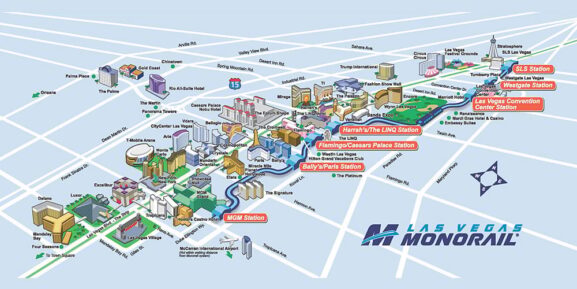
Since its inception in 2004, the Las Vegas Monorail has been the backbone of Strip-side transit, ferrying over 20 million passengers annually along its 4-mile loop. Its sleek, futuristic design—once a marvel—now faces the inevitable march of progress. The monorail’s concrete and steel arteries, while efficient, lack the flexibility to adapt to the city’s burgeoning demand for hyper-local connectivity. Its fixed routes and limited stations make it a relic in an era where dynamic, on-demand transit is king. The impending modifications to its tracks are not an admission of obsolescence but a strategic pivot to coexist with the next generation of urban mobility.
The Vegas Loop’s Autonomous Revolution
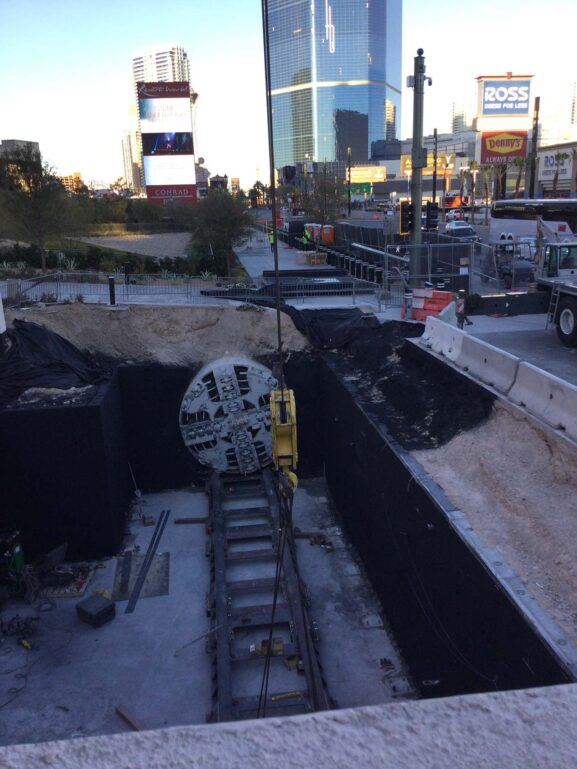
Enter the Vegas Loop, a $52 million autonomous transit system poised to redefine Las Vegas’ transit narrative. Developed by Elon Musk’s The Boring Company, this subterranean network of tunnels and electric pods promises to whisk passengers between key destinations at speeds of up to 150 mph. Unlike the monorail’s open-air grandeur, the Loop operates in a climate-controlled subterranean world, shielded from the city’s relentless sun and seasonal tempests. The modifications to the monorail’s tracks—specifically, the lowering of sections to accommodate Loop tunnels—signal a rare symbiosis between competing transit technologies. This isn’t a zero-sum game; it’s a masterclass in integrated urban planning.
Impact on Commuters: Seamless or Disruptive?
For the average visitor, the transition promises both convenience and confusion. Imagine disembarking from a monorail car only to descend into a subterranean pod that whisks you to your next destination in minutes. The synergy between the two systems could eliminate the need for multiple transfers, streamlining journeys across the city. Yet, the learning curve is steep. Commuters accustomed to the monorail’s predictable schedule may find themselves navigating a labyrinth of new routes and interfaces. The key to success lies in clear communication—real-time updates, intuitive wayfinding, and perhaps even gamified transit apps to ease the transition.
Economic and Environmental Ripples
The ripple effects of this transit shakeup extend far beyond convenience. Economically, the Vegas Loop’s efficiency could boost local businesses by reducing transit times and increasing foot traffic in previously underserved areas. Environmentally, the shift from gas-guzzling taxis to electric pods and monorail cars could shave thousands of tons off the city’s carbon footprint. Urban planners are particularly enthused by the potential to decongest the Strip’s notoriously clogged arteries, freeing up space for pedestrian zones and green corridors. This isn’t just a transit upgrade—it’s a blueprint for sustainable urban growth.
Challenges and Criticisms
No revolution is without its detractors. Critics argue that the Vegas Loop’s high-speed ambitions may outpace its safety protocols, particularly in a city where pedestrian traffic is notoriously unpredictable. Others question the long-term viability of autonomous systems, citing concerns over cybersecurity and mechanical failures. The monorail’s modifications, too, come with a hefty price tag—one that some taxpayers may view as an unnecessary expense in an already congested transit ecosystem. Balancing innovation with pragmatism will be the defining challenge for city officials and transit authorities alike.
The Future of Las Vegas Transit
As the monorail’s tracks are lowered and the Vegas Loop’s pods prepare for their debut, Las Vegas stands at the precipice of a transit renaissance. This isn’t just about faster commutes or sleeker infrastructure—it’s about redefining the city’s identity. Will the Strip’s iconic skyline soon be framed by the hum of autonomous pods? Will the monorail, once a symbol of mid-century futurism, find new life as a hybrid transit relic? One thing is certain: the city’s transit evolution is far from over. For now, Las Vegas is writing the next chapter of its mobility saga—a story of speed, sustainability, and unbridled ambition.