
Lake Tahoe Water Levels Drop Following 17% Snowpack
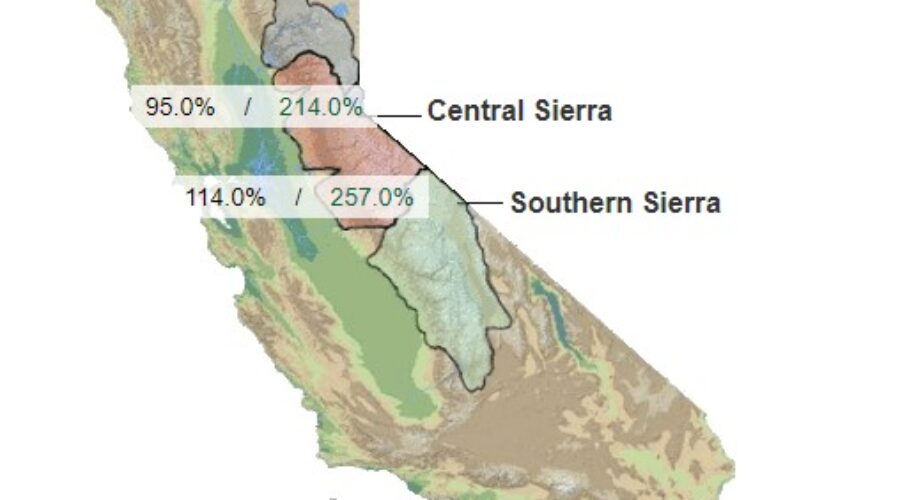
The shimmering expanse of Lake Tahoe, a jewel cradled within the Sierra Nevada’s granite embrace, has long been a barometer of the region’s hydrological health. Yet recent shifts in its water levels—precipitously dropping after a winter that once promised abundance—paint a complex portrait of nature’s capricious balance. With snowpacks that once soared to 200% above normal now receding by 17%, the lake’s fluctuating levels reveal a story of resilience, adaptation, and the delicate interplay between seasonal rhythms and human intervention.
The Hydrological Pendulum: From Abundance to Austerity
Lake Tahoe’s water levels are a dance choreographed by snowmelt, precipitation, and evaporation. The dramatic 17% reduction in snowpack—once a harbinger of replenishment—has sent ripples through the ecosystem. Snowpack, that crystalline reservoir of winter’s bounty, typically melts in a slow, measured cadence, feeding tributaries and groundwater systems that sustain the lake’s volume. When snowpack dwindles prematurely, the lake’s replenishment stalls, leaving its shorelines exposed and its clarity at risk. The current decline underscores a troubling trend: the once-reliable snowpack is becoming less predictable, its behavior increasingly erratic in the face of climate anomalies.
Ecological Reverberations: A Lake Under Stress
The ecological toll of fluctuating water levels extends far beyond aesthetics. Tahoe’s native flora and fauna, finely tuned to the lake’s historical rhythms, now face disorientation. Shoreline vegetation, adapted to gradual water level changes, struggles as receding waters expose roots to desiccation or, conversely, as sudden surges drown established habitats. Aquatic species, including the iconic Lahontan cutthroat trout, confront altered spawning grounds and oxygen levels, their survival hinging on the lake’s ability to stabilize. Even the lake’s famed clarity—once a point of pride—may dim as sediment stirred by fluctuating levels clouds its depths, threatening the delicate balance of its ecosystem.
Human Footprints: Development and Diversion
Human activity has long left indelible marks on Lake Tahoe’s hydrology. Urbanization, shoreline modifications, and water diversions for municipal and agricultural use have historically skewed the lake’s natural equilibrium. While conservation efforts have curbed some excesses, the legacy of past interventions lingers. The current decline in water levels serves as a reminder that Tahoe’s fate is not solely dictated by snowfall but by the cumulative impact of human decisions. Policymakers and environmental stewards must now grapple with the challenge of balancing growth with preservation, ensuring that the lake’s resources are not siphoned faster than nature can replenish them.
Climate’s Shadow: The Long-Term Outlook
The 17% reduction in snowpack is not an isolated anomaly but a symptom of broader climatic shifts. Rising temperatures, shifting precipitation patterns, and prolonged droughts are reshaping the Sierra Nevada’s hydrological landscape. Lake Tahoe, once a bastion of stability, is now a sentinel of change. Scientists warn that without aggressive mitigation, the lake could face more frequent and severe fluctuations, threatening its role as a critical water source for millions. The urgency to adapt—to rethink water management, restore natural buffers, and curb emissions—has never been more pronounced.
Community Resilience: Adapting to a New Normal
In the face of these challenges, communities around Lake Tahoe are mobilizing. Homeowners are embracing drought-resistant landscaping, while local governments invest in water recycling and conservation programs. Tourism-dependent businesses are pivoting toward sustainability, promoting eco-tourism that aligns with the lake’s ecological needs. These grassroots efforts reflect a growing recognition that resilience is not just about weathering change but about reimagining coexistence with it. The lake’s future hinges on collective action, where every drop saved and every habitat preserved contributes to its enduring legacy.
The story of Lake Tahoe’s water levels is more than a tale of numbers on a graph—it is a narrative of fragility and fortitude, of nature’s resilience tested by human ambition. As the lake navigates this precarious chapter, its waters serve as a mirror, reflecting both the challenges ahead and the opportunities to forge a more harmonious path forward. The challenge is clear: to listen to the lake’s whispers before they become cries for help.