Nevada Water Warning: Snowpack in Lake Tahoe Basin Hits Record Low 17%
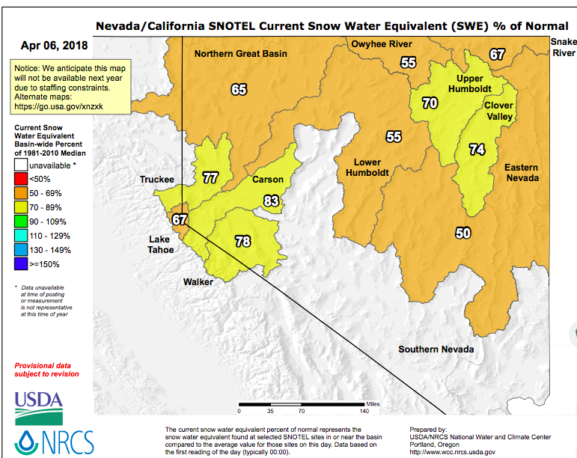
The Lake Tahoe Basin’s snowpack has plummeted to a disquieting 17% of its historical average, a stark reminder of the accelerating climate crisis gripping the American West. This alarming deficit, measured at the peak of the winter season, underscores a precarious future for Nevada’s water security, alpine ecosystems, and the vibrant communities that depend on this frozen reservoir. As the Sierra Nevada’s snowpack dwindles, the implications ripple far beyond the basin’s rugged peaks, reshaping hydrological cycles, economic landscapes, and even cultural identities tied to the land.
The Hydrological Paradox: When Snowpack Fails, Rivers Whisper
The snowpack’s role as nature’s water tower cannot be overstated. Each winter, the Sierra Nevada accumulates a vast, frozen cache that slowly melts through spring and summer, replenishing rivers, reservoirs, and underground aquifers. Yet, with only 17% of the typical snowpack remaining, Nevada faces a hydrological paradox: a landscape starved of its primary water source. The Truckee River, the lifeblood of Reno and Sparks, relies heavily on this meltwater. As the snowpack shrinks, so too does the river’s flow, threatening municipal supplies, agricultural irrigation, and the delicate balance of riparian habitats. The absence of this natural reservoir also exacerbates the region’s vulnerability to drought, amplifying the risk of water rationing and ecological collapse.
Ecosystem Unraveling: The Silent Collapse of Alpine Biodiversity
Beneath the surface of this crisis lies an unfolding ecological tragedy. The Lake Tahoe Basin is a biodiversity hotspot, home to species uniquely adapted to snow-dependent ecosystems. The American pika, a small alpine mammal, faces existential threats as receding snowpack eliminates its critical thermal refuge. Similarly, the Lahontan cutthroat trout, a native fish species, struggles as warmer, lower water levels disrupt spawning grounds. The loss of snowpack also accelerates soil erosion, choking streams with sediment and suffocating aquatic life. These cascading effects reveal a fragile web of interdependence, where the decline of one element triggers the unraveling of the entire system.
Economic Ripples: Tourism, Real Estate, and the Vanishing Winter
The economic toll of this snowpack deficit is already palpable. Nevada’s winter tourism industry, a cornerstone of the state’s revenue, hinges on reliable snowfall for skiing, snowboarding, and other recreational activities. Resorts like Palisades Tahoe and Heavenly are grappling with shortened seasons and diminished snowpack, forcing costly adaptations such as artificial snowmaking—a stopgap measure with its own environmental consequences. Meanwhile, real estate markets in Lake Tahoe and surrounding areas are experiencing volatility, as buyers and investors reassess the long-term viability of properties in a region increasingly prone to water scarcity. The ripple effects extend to local businesses, from lodges and restaurants to gear rental shops, all of which depend on a robust winter economy.
Cultural Erosion: The Soul of the Sierra at Risk
Beyond economics and ecology, the snowpack’s decline erodes the cultural fabric of the region. For generations, the Washoe people have stewarded the land around Lake Tahoe, their traditions deeply intertwined with the seasonal rhythms of snow and water. The loss of snowpack disrupts these ancestral connections, severing a vital link between past and present. Similarly, the identity of Nevada’s mountain communities—built around winter sports and alpine lifestyles—is being reshaped by a climate that no longer aligns with historical norms. The silence of bare slopes, once blanketed in white, echoes a poignant reminder of what is at stake.
Adaptation in the Face of Adversity: Strategies for Resilience
In response to this crisis, stakeholders are exploring multifaceted strategies to build resilience. Water conservation measures, such as efficient irrigation and wastewater recycling, are gaining traction in urban centers like Reno. Forest management practices, including controlled burns and reforestation, aim to restore watershed health and reduce wildfire risks that further deplete snowpack. Innovative technologies, from soil moisture sensors to cloud-seeding experiments, are being deployed to optimize water capture and distribution. Yet, these solutions require coordinated action among policymakers, scientists, and communities—a daunting task in a region where competing interests often clash.
The Lake Tahoe Basin’s snowpack crisis is not an isolated anomaly but a harbinger of broader challenges facing the American West. As Nevada confronts this stark reality, the choices made today will determine whether the region can adapt or face irreversible decline. The path forward demands not only technical innovation but also a collective reimagining of how humans coexist with the natural world. In the shadow of these snowless peaks, the future of water, wildlife, and community hangs in the balance—a fragile equilibrium that demands urgent attention.