Late-Breaking: 90000 Nevada Jobs Face AI Automation by 2035
The Nevada landscape, famed for its glittering casinos and sprawling deserts, is on the cusp of a seismic shift. By 2035, a staggering 90,000 jobs—nearly a quarter of the state’s workforce—could be reshaped or rendered obsolete by the relentless march of artificial intelligence. This isn’t just another tech doomsday prophecy; it’s a clarion call for reinvention, a moment where the Silver State must pivot from glittering facades to a future forged in adaptability. The question isn’t whether AI will disrupt Nevada’s labor market, but how the state will navigate the tremors before the ground beneath it shifts irrevocably.
The Automation Tsunami: Which Jobs Are Most Vulnerable?
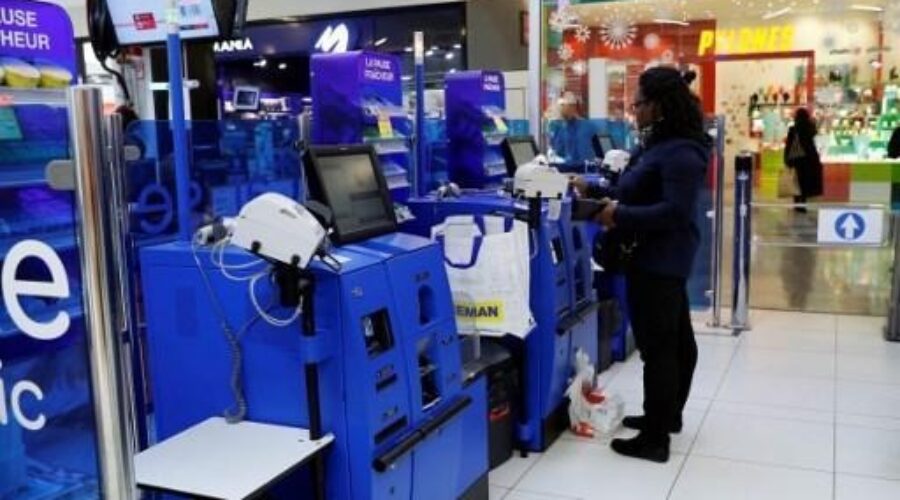
Not all professions will crumble under AI’s advance, but those rooted in routine, data processing, or predictable physical tasks are most at risk. In Nevada, the hospitality sector—long the backbone of the state’s economy—faces particular peril. Front-desk clerks, concierge services, and even some dealer positions in casinos could be automated, as AI-driven chatbots and robotic systems handle guest interactions with eerie precision. Meanwhile, logistics and warehouse roles, already strained by labor shortages, may see drones and autonomous vehicles take over inventory management and delivery routes. The irony? A state built on human connection could soon find itself outsourcing warmth to algorithms.
The Silver Lining: Where AI Creates Opportunity
Yet for every job lost, a new frontier of employment emerges. Nevada’s future may lie in roles that AI can’t replicate: those demanding emotional intelligence, creative problem-solving, or intricate manual dexterity. Think of technicians maintaining AI systems, cybersecurity experts safeguarding digital infrastructure, or even “experience architects” designing hyper-personalized guest journeys in hotels. The state’s burgeoning tech sector could also flourish, with AI-driven innovation hubs attracting talent and investment. The key? Reskilling the workforce before the wave crashes, ensuring Nevadans aren’t just spectators to progress but its architects.
The Human Factor: What Happens When the Machines Take Over?
Beyond the economic calculus lies a deeper reckoning: the psychological toll of displacement. Nevada’s identity is intertwined with its workforce—dealers who memorize odds in a flash, bartenders who craft stories as much as cocktails, and hospitality workers who turn strangers into regulars with a smile. When AI assumes these roles, what becomes of the social fabric? The state must confront the existential question: Can Nevada preserve its soul while embracing the future? Policymakers and businesses alike will need to foster resilience, perhaps through universal basic income pilots or community-based retraining programs, ensuring no one is left adrift in the tide of change.
Lessons from the Frontlines: How Other States Are Preparing
Nevada isn’t alone in this reckoning. Across the U.S., states like Massachusetts and Utah are investing in AI literacy programs, while cities like Austin are incentivizing businesses to adopt reskilling initiatives. Nevada could learn from Singapore’s SkillsFuture program, which funds lifelong learning for citizens, or Denmark’s “flexicurity” model, blending labor market flexibility with robust social safety nets. The message is clear: preparation isn’t optional—it’s the difference between thriving and merely surviving. Nevada’s leaders must act now, before the 2035 deadline looms like a desert mirage.
The road ahead is uncharted, but one truth remains: Nevada has always been a state of reinvention. From silver mines to slot machines, its history is a testament to human ingenuity. The AI revolution is no different—it’s not the end of an era, but the dawn of another. The question is whether Nevada will write its next chapter with fear or foresight. The machines are coming. The only choice left is how to meet them.