Nevada’s Bad Snow Season: A 17% Snowpack and a Dry Summer Ahead
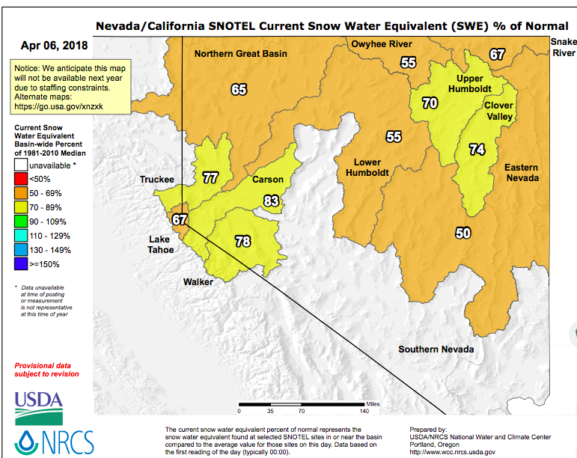
Nevada’s winter cloak, woven from snowflakes and mountain whispers, has frayed this season—leaving behind a skeletal landscape where only 17% of the expected snowpack clings to the peaks. It’s as if the sky, once generous with its crystalline largesse, has abruptly withdrawn its hand, leaving the state parched and the high country eerily silent. The consequences ripple outward: reservoirs will yawn wider, rivers will whisper thinner, and the alpine meadows, usually bursting with the effervescence of melting snow, will instead crackle underfoot like forgotten parchment. This isn’t merely a bad snow year; it’s a harbinger, a drought’s overture playing out in slow, ominous crescendos.
The Vanishing Veil: How Nevada’s Snowpack Became a Ghost of Winters Past
The Sierra Nevada’s snowpack, Nevada’s most storied hydrological reservoir, has dwindled to a fraction of its former self. Meteorological alchemy—where atmospheric rivers once flowed like liquid silver—has failed this season, leaving the mountains draped in a pallid shroud of disappointment. The culprits? A stubborn high-pressure ridge, a jet stream that meandered like a drunken sailor, and temperatures that flirted with record highs even in the dead of winter. The snow that did fall was often too light, too ephemeral, vanishing like morning mist under the relentless gaze of a merciless sun. What remains is not snow, but a skeletal remnant, a testament to what once was—a winter’s dream now reduced to a statistical footnote.
The Domino Effect: From Peaks to Valleys, a Cascade of Consequences
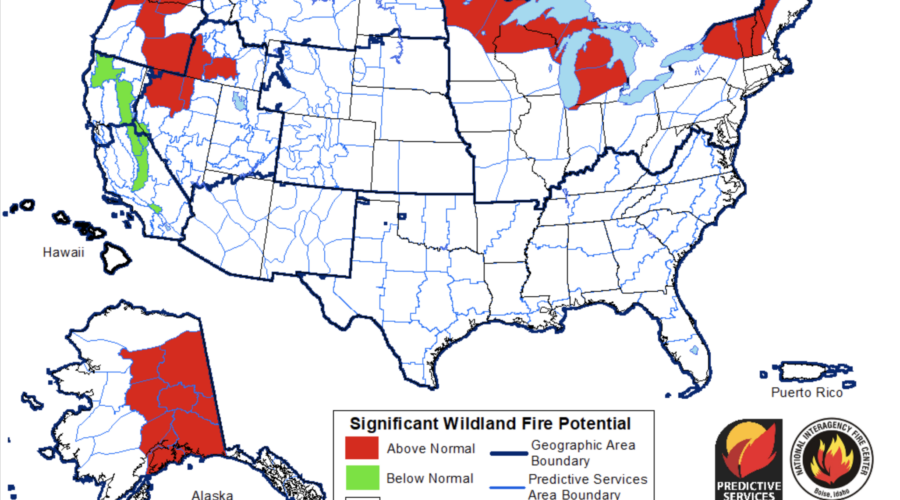
The repercussions of this meager snowpack are not confined to the alpine zones; they cascade downward, reshaping the state’s ecological and economic topography. Nevada’s rivers, already overtaxed by decades of overuse, will shrink further, their flows reduced to a trickle that barely whispers through the canyons. Farmers in the valleys will watch their irrigation ditches dwindle to mere veins of moisture, forcing them to dig deeper into aquifers that are already gasping for breath. The tourism industry, which thrives on powder-chasing pilgrims and ski resort après-ski culture, will find itself in a precarious position—resorts may shutter early, and the once-bustling lodges will echo with the hollow laughter of empty chairs. Even the state’s wildfire season, usually a summer specter, may arrive prematurely, its embers fanned by winds that carry the scent of desperation across the land.
The Psychological Chill: A Winter of Disillusionment
Beyond the tangible losses, there’s a psychological toll—a collective disillusionment that seeps into the bones of Nevadans. Winter, once a season of replenishment and renewal, has become a cruel joke, a cruel reminder of nature’s fickle temperament. The absence of snow doesn’t just alter landscapes; it erodes morale. Children who once built snowmen now stare blankly at brown hillsides. Skiers trade their boards for hiking boots, their dreams of fresh tracks dissolving like sugar in warm tea. The state’s identity, so often tied to its winter allure, feels momentarily unmoored, as if Nevada itself has forgotten how to be Nevada. This isn’t just a dry spell; it’s a crisis of expectation, a season that has betrayed its promise.
A Glimmer in the Gloom: Adaptation and Resilience
Yet, even in the face of such adversity, Nevada’s spirit remains unbroken. Communities are rallying around conservation efforts, implementing water-saving technologies, and reimagining their relationship with the land. The state’s water managers are dusting off old playbooks, exploring cloud-seeding initiatives and groundwater recharge projects that could mitigate the worst outcomes. Farmers are diversifying crops, turning to drought-resistant varieties that whisper of a new agricultural paradigm. And residents? They are rediscovering the beauty of Nevada’s other seasons—its golden autumns, its crisp springs, its starlit summers—finding solace in the resilience of a land that has weathered droughts before and will do so again. The snow may be gone, but the fight for the future is just beginning.
The winter of discontent has passed, leaving behind a landscape that is both a warning and a challenge. Nevada stands at a crossroads, where the ghosts of past snows haunt the hills, and the specter of a drier future looms large. But within this adversity lies an opportunity—to redefine what it means to thrive in a changing world, to build a future that is not just sustainable, but vibrant. The snow may have melted, but the state’s determination remains, as unyielding as the mountains themselves.