Nevada Snowpack 2026: Could This Be the New Normal for Lake Tahoe?
In the shadow of the Sierra Nevada’s ancient sentinels, where the air hums with the whispers of winter’s last gasp, a question lingers like the faintest dusting of snow on a sun-warmed rock: Could the Nevada snowpack of 2026 be the new normal for Lake Tahoe? The implications ripple far beyond the shimmering expanse of the lake itself, touching the lives of millions who depend on its frozen bounty. As climate patterns shift with the capriciousness of a winter storm, the snowpack—once a predictable rhythm of accumulation and melt—now dances to a new, unpredictable beat.
The Shifting Sands of Snowfall: A Historical Perspective
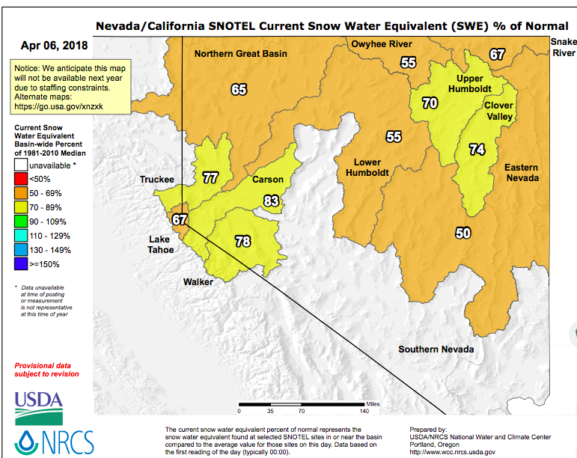
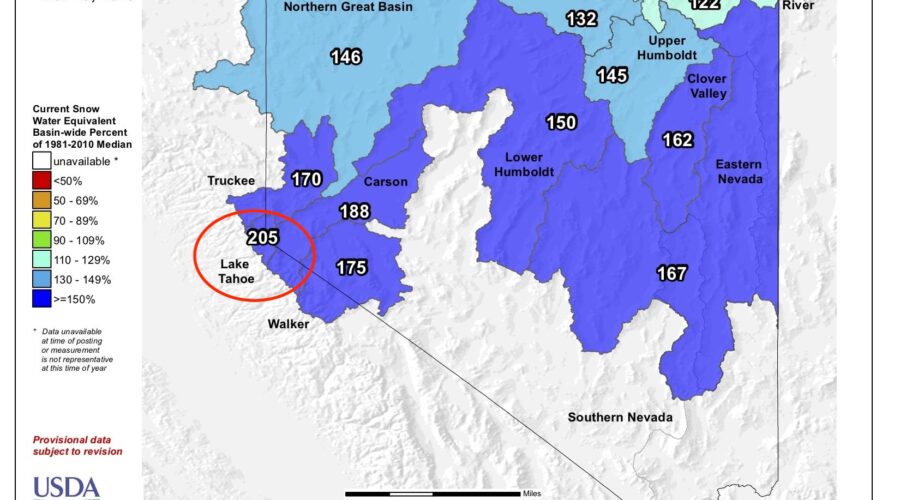
For decades, Lake Tahoe’s snowpack served as a barometer of winter’s generosity, its depth measured in feet rather than inches, its duration spanning the heart of the season. Historical records paint a picture of reliability, where snowfall totals hovered around the long-term average, with occasional dips and peaks that kept ecosystems and economies in balance. Yet, as the 21st century unfolds, those records are being rewritten. The once-stalwart snowpack now exhibits the volatility of a pendulum swinging between extremes—drought-stricken winters followed by deluges that strain infrastructure and overwhelm natural systems. The question isn’t whether the snowpack is changing, but how drastically—and whether 2026 will mark a tipping point.
The Climate Conundrum: What’s Driving the Shift?
The metamorphosis of Nevada’s snowpack is not an isolated phenomenon but a symptom of broader climatic upheaval. Rising global temperatures, fueled by greenhouse gas emissions, are disrupting the delicate interplay of atmospheric conditions that once guaranteed Tahoe’s legendary snowfall. Warmer air holds more moisture, but it also shortens the window for precipitation to fall as snow. The result? A paradoxical increase in total precipitation paired with a decline in snowpack longevity. Storms that once blanketed the mountains in powder now arrive as rain, scouring the slopes and leaving behind a skeletal landscape. By 2026, these trends may have solidified into a new climatic regime, where the snowpack’s behavior is as erratic as the weather itself.
The Ripple Effect: Ecological and Economic Fallout
The consequences of a diminished or erratic snowpack extend far beyond the aesthetic loss of Tahoe’s winter wonderland. The Sierra Nevada’s snowpack acts as a natural reservoir, storing water that trickles into rivers and reservoirs during the spring melt. A thinner snowpack means less water for agriculture, municipalities, and hydroelectric power generation across Nevada and California. Wildlife, too, faces disruption. Species like the Sierra Nevada bighorn sheep and the American pika, adapted to cold, snowy environments, struggle as their habitats shrink. Even the lake’s famed clarity could be at risk, as reduced snowmelt alters nutrient flows and sediment dynamics. Economically, the tourism industry—anchored by ski resorts and winter recreation—could face existential challenges, forcing adaptation or collapse.
Adaptation in the Face of Uncertainty
If 2026 does herald a new normal, the response must be as multifaceted as the challenges it presents. Water managers are already exploring strategies to mitigate the impacts of reduced snowpack, from expanding reservoir capacities to investing in groundwater recharge projects. Ski resorts, meanwhile, are diversifying their offerings, blending traditional winter sports with summer activities to hedge against unreliable snowfall. Policymakers are grappling with the need for climate-resilient infrastructure, while conservationists push for habitat corridors to help species migrate in response to warming temperatures. Yet, these measures are stopgaps. The deeper question lingers: Can Lake Tahoe—and the communities that depend on it—adapt quickly enough to a future where the snowpack is no longer the steadfast force it once was?
The Nevada snowpack of 2026 may well be a harbinger of a world where winter’s embrace is fleeting, where the rhythm of the seasons is no longer a given. For Lake Tahoe, this could mean the end of an era—or the dawn of a reinvented one. The only certainty is that the old rules no longer apply, and the time to act is now, before the snow melts away for good.