
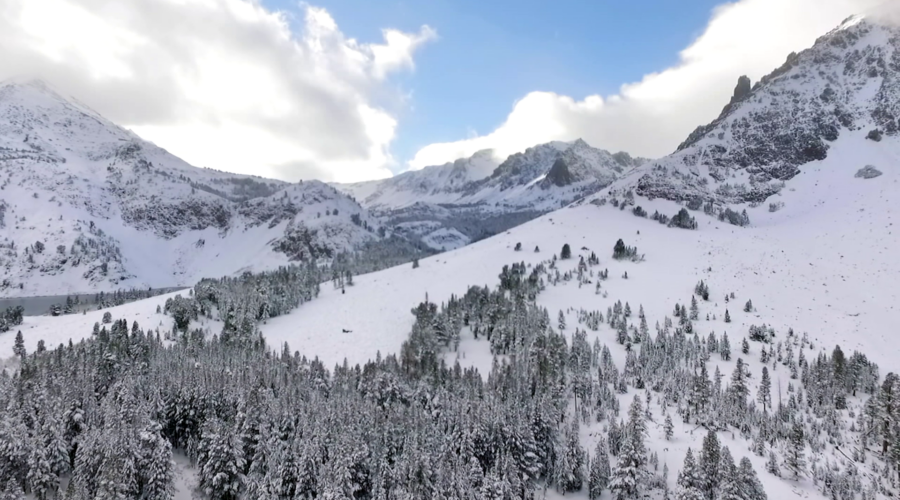
Why Nevada’s Snowpack at 17% Is Worse Than Last Year’s
What if the snow that once blanketed Nevada’s peaks like a frosted layer of resilience now melts away before winter even ends? This isn’t a scene from a dystopian novel—it’s the stark reality unfolding across the Sierra Nevada, where the snowpack has dwindled to a mere 17% of its historical average. Last year’s dismal figures were concerning, but this year’s plummet is a wake-up call that demands immediate attention. The implications stretch far beyond the mountains, reshaping ecosystems, water supplies, and the very rhythm of life in the West.
The Vanishing Act: How Did We Get Here?
The Sierra Nevada’s snowpack isn’t just a scenic backdrop; it’s the lifeblood of Nevada’s water supply, a natural reservoir that releases meltwater gradually through the warmer months. Yet, this year’s snowpack is a shadow of its former self, a mere sliver of what it once was. The culprit? A relentless trifecta of rising temperatures, erratic precipitation patterns, and a stubborn high-pressure system that has diverted storms away from the region. Climate scientists warn that this isn’t an anomaly but a harbinger of a new normal, where snowpacks shrink and winters grow increasingly unpredictable.
Consider the Sierra’s snowpack as a savings account for water. For decades, it reliably deposited its reserves, ensuring a steady flow of water for agriculture, cities, and ecosystems. Now, the account is overdrawn. The 17% figure isn’t just a statistic—it’s a flashing red alert, signaling that the region’s water security is under siege. Without intervention, the consequences will ripple through every sector, from the almond groves of the Central Valley to the faucets of Las Vegas.
The Domino Effect: Water, Wildlife, and Way of Life
The ramifications of a shrinking snowpack extend far beyond water shortages. Nevada’s rivers and streams, already stressed by overuse, face even greater strain as the snowmelt that once replenished them dwindles. This puts endangered species like the Lahontan cutthroat trout in peril, as their habitats shrink and water temperatures rise. Meanwhile, farmers are grappling with reduced irrigation allocations, forcing them to make tough choices about which crops to prioritize—or whether to fallow fields entirely.
Urban areas aren’t immune to the fallout. Las Vegas, a city that thrives in the desert, relies heavily on the Colorado River, which itself is fed by Sierra snowmelt. As the snowpack shrinks, so does the river’s flow, intensifying the pressure on already strained water supplies. The city’s aggressive conservation measures may buy time, but without a robust snowpack, the long-term outlook remains precarious. Residents may soon face the unthinkable: restrictions on lawn watering, car washes, and even household consumption.
Can Innovation Outpace the Crisis?
Faced with this existential challenge, Nevada and its neighbors are turning to innovation. Desalination plants, wastewater recycling, and cloud-seeding experiments are among the tools being deployed to stretch every drop of water. Yet, these solutions come with their own set of challenges—high costs, energy demands, and environmental trade-offs. Can technology bridge the gap before the snowpack vanishes entirely?
Some experts advocate for a more radical approach: rethinking how we manage water at a systemic level. This could mean shifting from a reliance on snowpack-dependent systems to diversified water sources, such as groundwater recharge or direct potable reuse. Others argue for a return to traditional water conservation practices, like xeriscaping and rainwater harvesting, which reduce demand rather than chasing an ever-dwindling supply.
The Clock Is Ticking
The 17% snowpack isn’t just a problem for Nevada—it’s a symptom of a larger, global crisis. The West’s water woes are a microcosm of what’s happening worldwide, where climate change is rewriting the rules of survival. The question isn’t whether we can adapt, but how quickly. Will we act with urgency, or will we wait until the reservoirs run dry and the taps run silent?
One thing is certain: the snow that once crowned the Sierra Nevada like a crown of ice is melting away. The challenge ahead is not just to adapt, but to reimagine a future where water is no longer taken for granted. The time to act is now, before the last snowflake falls.