Breaking Down the Vegas Loop’s Monorail Takeover: A Transit Revolution
The Las Vegas Strip has long been a playground of excess, where neon lights flicker against the desert sky and the hum of traffic never fades. Yet beneath the dazzle, a quieter revolution has been unfolding—one that speaks to the city’s relentless pursuit of innovation. The recent takeover of the Las Vegas Monorail by the Vegas Loop, a subterranean transit system, is more than a mere shift in ownership. It’s a seismic reimagining of urban mobility, a testament to how even the most entrenched systems can be upended by bold thinking. But why does this matter beyond the glitz of the Strip? The answer lies in the way it challenges our assumptions about transit, ownership, and the very fabric of city life.
The Monorail’s Legacy: A Monument to Aspiration and Obsolescence
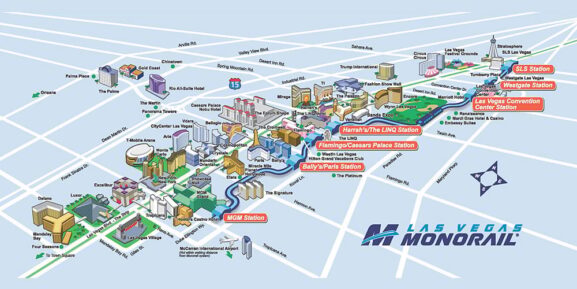
The Las Vegas Monorail, once hailed as a marvel of engineering, was a product of 1990s ambition—a sleek, elevated rail system designed to whisk visitors between casinos with effortless grace. For years, it operated as a symbol of the city’s forward-thinking ethos, a stark contrast to the gridlock of surface streets. Yet, like many grand projects, it became a victim of its own success. Rising costs, operational inefficiencies, and the relentless pace of urban change rendered it a relic of a bygone era. The Vegas Loop’s takeover isn’t just a corporate acquisition; it’s a reckoning with the limitations of legacy systems in an age where adaptability is paramount.
The Vegas Loop’s Underground Gambit: A Subterranean Shift in Urban Transit
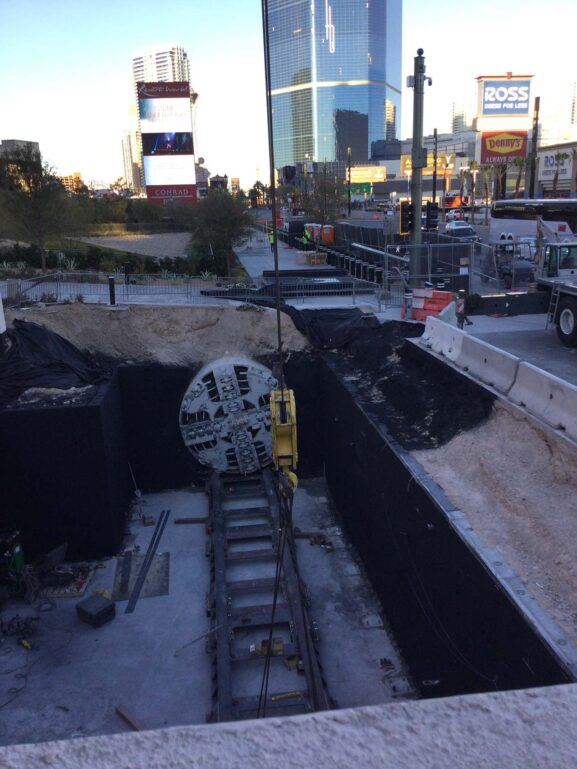
Beneath the Strip’s glittering veneer, the Vegas Loop operates in silence, a network of tunnels that defy the city’s traditional reliance on above-ground transit. This subterranean approach isn’t merely a logistical choice—it’s a philosophical one. By tunneling beneath the chaos, the system sidesteps the congestion that plagues surface routes, offering a glimpse of what urban transit could look like if freed from the tyranny of traffic. The Loop’s design prioritizes speed and efficiency, but its true innovation lies in its ability to redefine the relationship between a city and its arteries. In an era where surface transit is increasingly contested, underground systems like this one may well set the blueprint for the future.
Ownership and the Illusion of Control: Who Really Benefits?
The transition from public to private ownership is rarely a neutral event. In the case of the Vegas Loop, the shift raises critical questions about who ultimately benefits from such systems. Private operators are driven by profit, which can lead to prioritization of high-traffic routes over equitable access. Yet, the Loop’s model suggests a different calculus—one where efficiency and user experience are paramount. The challenge, however, lies in ensuring that this model doesn’t devolve into a two-tiered system, where only those willing to pay premium fares enjoy the benefits of cutting-edge transit. The Vegas Loop’s success will hinge on its ability to balance innovation with inclusivity, lest it become another example of how progress often serves the few at the expense of the many.
The Psychological Appeal: Why We’re Fascinated by Transit Revolutions
There’s something deeply compelling about a transit revolution—it’s not just about getting from point A to point B, but about the promise of a better way of living. The Vegas Loop embodies this fascination, offering a vision of a city where movement is seamless, where the frustrations of modern transit are rendered obsolete. This appeal isn’t merely practical; it’s psychological. We’re drawn to systems that promise to liberate us from the mundane, to transform the act of commuting into something almost magical. Yet, beneath the allure, there’s a deeper question: Are we chasing efficiency, or are we chasing the illusion of control in an increasingly chaotic world? The Vegas Loop’s takeover forces us to confront this duality, to ask whether our fascination with transit revolutions is rooted in progress or in the desire to escape the very problems we’ve created.
The Vegas Loop’s monorail takeover is more than a corporate maneuver—it’s a cultural inflection point. It challenges us to rethink how we move through cities, how we balance innovation with equity, and whether the future of transit lies above or below the surface. As Las Vegas continues to reinvent itself, one thing is clear: the revolution has only just begun. And the rest of the world will be watching.