Historically Bad Snow Season Leaves Nevada’s Water Future in Jeopardy
In the shadow of the Sierra Nevada’s once-mighty peaks, where snowpacks once stood as towering sentinels of water security, Nevada now faces a reckoning. The 2023 snow season, a climatic anomaly of staggering proportions, has not merely failed to deliver—it has obliterated expectations, leaving behind a landscape that whispers of a future far drier than anyone dared imagine. What was once a reliable cycle of winter accumulation and spring runoff has fractured, and the implications ripple outward like cracks in parched earth. For a state where water is currency, the collapse of this seasonal ritual is less a setback than a tectonic shift in hydrological fate.
The Vanishing Snowpack: A Silent Crisis Unfolding
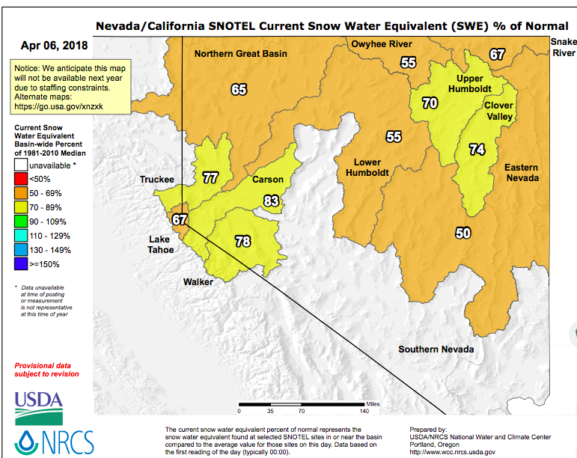
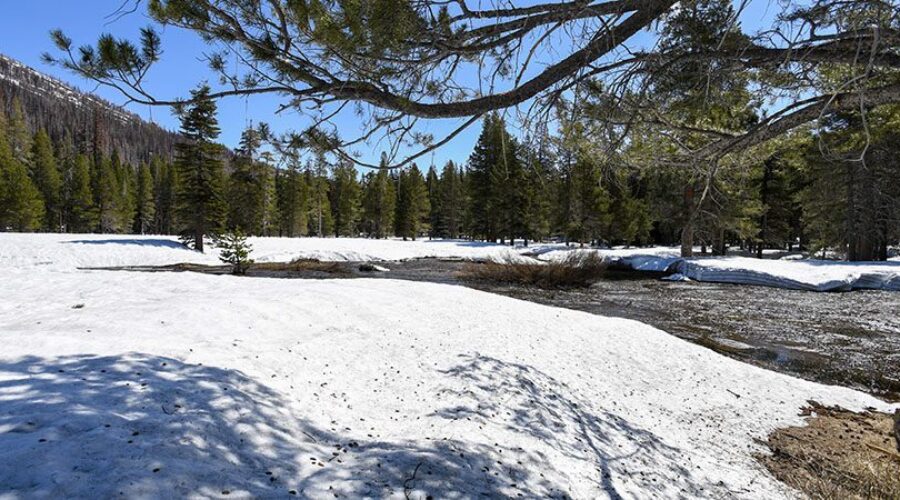
The Sierra Nevada, Nevada’s primary water bank, has long operated on a simple premise: winter snowfall stores water in frozen form, only to release it gradually as temperatures rise. This year, that premise collapsed under the weight of a relentless atmospheric anomaly. Snowpack levels plummeted to historic lows, with some measurement sites recording less than 20% of their median snow-water equivalent. The consequences are immediate and dire. Reservoirs, already strained by years of overuse, now face the grim prospect of running dry before the next wet season. The silent crisis unfolding is not just about scarcity—it’s about the erosion of a system that once seemed immutable.
Nevada’s Water Paradox: Abundance in Aridity
Nevada’s identity is inextricably tied to water—or rather, the illusion of it. The state’s glittering oases, from Las Vegas to Reno, thrive in a desert where nature offers little. Yet this paradox has always been sustained by a delicate balance: snowmelt from distant mountains trickling into rivers, filling aquifers, and quenching the thirst of millions. Now, that balance teeters. The snow that once fell in prodigious blankets now arrives in sporadic, meager flurries, its retreat hastened by warming temperatures. The paradox deepens: a land that has mastered the art of scarcity now confronts a future where even its most ingenious adaptations may fall short.
The Domino Effect: From Mountains to Faucets
The ramifications of this snow season’s failure extend far beyond the alpine zones. As snowpacks dwindle, so too does the lifeblood of Nevada’s water infrastructure. The Colorado River, a lifeline shared with six other states, faces its own existential threats, its levels dropping as upstream snowmelt dwindles. Groundwater reserves, already overdrawn in many basins, are tapped with increasing desperation. Farmers, municipalities, and ecosystems all scramble for dwindling supplies, their fates intertwined in a zero-sum game. The domino effect is already visible: reduced agricultural output, stricter water rationing, and the creeping specter of ecological collapse in fragile riparian zones.
Adaptation or Collapse: The Path Forward
Nevada’s water future hinges on a single, uncompromising question: Can adaptation outpace collapse? The state has long been a pioneer in water conservation, from recycling wastewater to incentivizing xeriscaping. Yet these measures, while laudable, may prove insufficient against the scale of this crisis. Desalination plants, once dismissed as impractical, now emerge as a desperate necessity. Aquifer recharge programs, long discussed in theory, demand urgent implementation. And perhaps most critically, a cultural reckoning is required—one that acknowledges that Nevada’s water story is no longer one of abundance, but of survival. The path forward is fraught with hard choices, but the alternative—inaction—is unthinkable.
The 2023 snow season was not an anomaly. It was a harbinger. Nevada stands at a precipice, gazing into a future where water is no longer a given but a gamble. The question is no longer whether the state can adapt, but how quickly—and whether the lessons of this season will be heeded before the next drought arrives. The mountains may no longer whisper of plenty, but they do not remain silent. Their message is clear: the time to act is now, before the silence becomes permanent.