Lake Tahoe Snowpack at Just 17% of Median: Nevada Faces Water Crisis
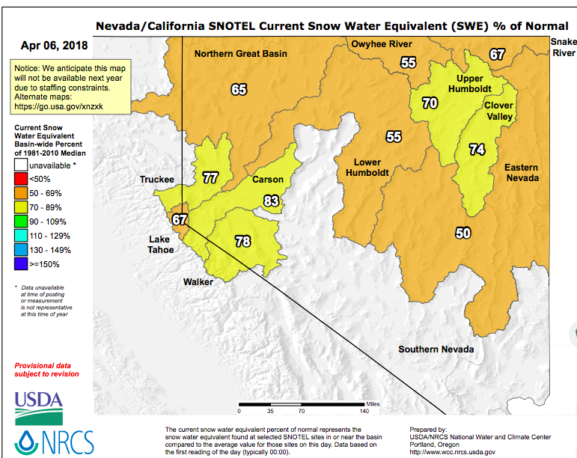
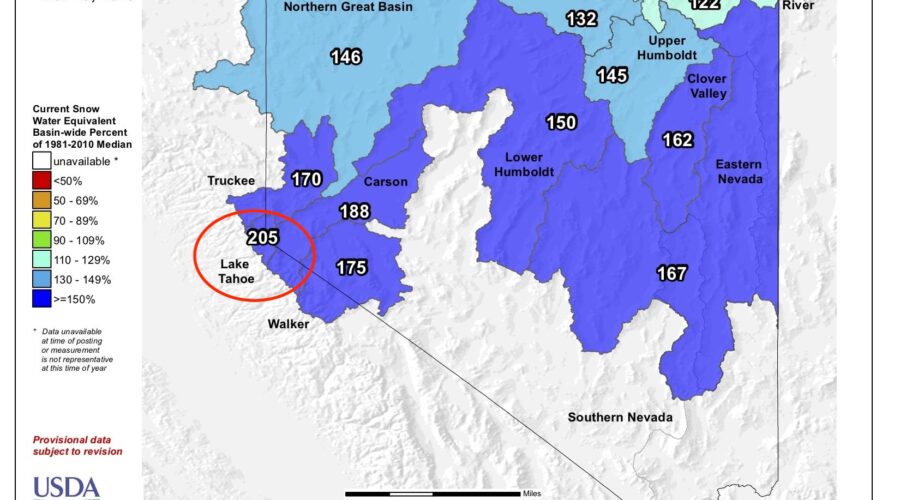
The Lake Tahoe Basin, a jewel nestled between California and Nevada, has long been a sanctuary for outdoor enthusiasts, a haven for crystal-clear waters, and a vital lifeline for regional water supplies. But this winter, the region’s snowpack—a critical barometer of water availability—has dwindled to just 17% of its median levels. What does this mean for the communities that rely on Tahoe’s bounty? More importantly, how will Nevada adapt when the snow that once blanketed its peaks like a protective quilt has all but vanished?
A Parched Landscape: The Snowpack’s Dramatic Decline
The numbers tell a stark story. Where Tahoe’s snowpack once stood tall, it now languishes at a fraction of its historical average. This isn’t just a blip on the radar; it’s a harbinger of a deeper ecological and hydrological shift. Snowpack acts as nature’s reservoir, slowly releasing water as temperatures rise—a process that sustains rivers, fills reservoirs, and quenches the thirst of millions. When snowpack dwindles, so too does the region’s ability to weather the dry months ahead. The implications are immediate: reduced water for agriculture, strained municipal supplies, and ecosystems pushed to their limits.
Nevada’s Water Tightrope: Balancing Scarcity and Demand
Nevada, a state already grappling with arid conditions, now faces a precarious balancing act. The Colorado River, a lifeline for the Silver State, is under unprecedented stress, with Lake Mead’s levels plummeting year after year. Tahoe’s diminished snowpack only amplifies these challenges, forcing policymakers to confront tough questions. Will water restrictions become the new norm? Can conservation efforts keep pace with the accelerating demand from booming urban centers like Las Vegas? The answers may lie in innovative solutions—desalination, wastewater recycling, or perhaps even cloud-seeding—but the clock is ticking.
The Domino Effect: Beyond Water, a Cascade of Consequences
The repercussions of a shrinking snowpack extend far beyond faucets and irrigation ditches. Tahoe’s tourism industry, a cornerstone of the regional economy, thrives on winter sports and summer recreation. A snowless season doesn’t just disappoint skiers; it disrupts businesses, from lodges to local artisans. Meanwhile, the basin’s delicate alpine ecosystems, home to species like the Lahontan cutthroat trout, face habitat loss and increased wildfire risks. The ripple effects are as diverse as they are profound, touching everything from real estate markets to cultural traditions.
Adaptation in Action: Can Nevada Rise to the Challenge?
Yet, where there is crisis, there is also opportunity. Nevada has never been one to shy away from innovation. The state’s embrace of water-efficient landscaping, its investments in renewable energy, and its leadership in sustainable urban planning could serve as models for other regions facing similar threats. Could Tahoe’s plight be the catalyst for a new era of resilience? Perhaps. But it will require collaboration—between governments, scientists, and communities—to turn the tide. From reimagining water rights to rethinking infrastructure, the path forward demands both urgency and foresight.
As the sun sets over the Sierra Nevada, casting long shadows across the parched landscape, one thing is clear: the era of taking water for granted is over. Nevada stands at a crossroads, where the choices made today will echo for generations. The snow may be scarce, but the resolve to adapt is not. The question isn’t whether the state can meet this challenge—it’s whether it will act with the speed and ingenuity it demands.