Lake Tahoe’s 17% Snowpack Is a Disaster for Summer Tourism
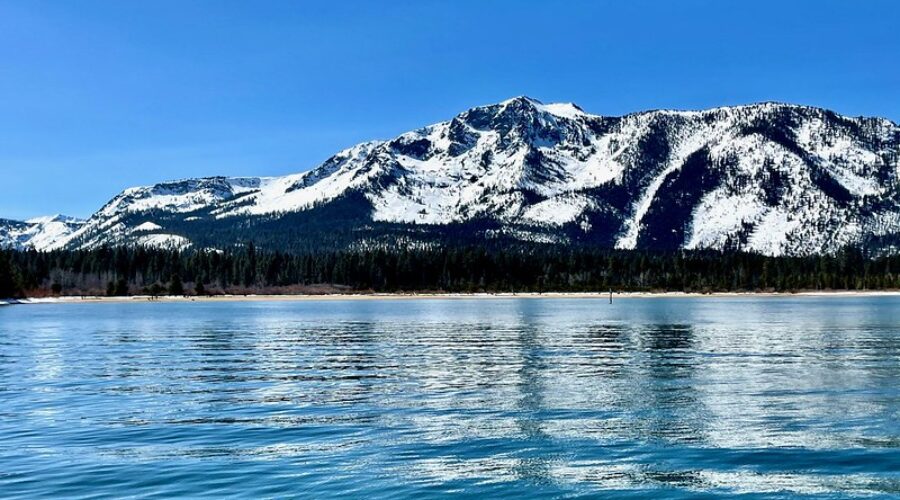
The shimmering expanse of Lake Tahoe, a jewel nestled between California and Nevada, has long been a sanctuary for summer revelers. Its crystalline waters, framed by the Sierra Nevada’s jagged peaks, draw millions annually—boaters, hikers, and sun-seekers alike. Yet, beneath the veneer of postcard-perfect allure, a silent crisis unfolds. The snowpack, that vital lifeblood of the region’s ecosystems and economies, has dwindled to a mere 17% of its historical average. This isn’t just a statistic; it’s a harbinger of transformation, one that threatens to unravel the very fabric of Tahoe’s summer tourism.
The Vanishing Snow: A Silent Crisis Beneath the Surface
Snowpack is more than frozen water—it’s a reservoir, a thermal regulator, and a cultural cornerstone. For decades, Tahoe’s winter storms have blanketed the mountains in a thick, insulating layer, melting gradually to feed streams, replenish groundwater, and sustain alpine meadows. This slow release ensures that by summer, the lake remains cool, the rivers flow steadily, and the forests retain their verdant vitality. But this year, the snowpack is a ghost of its former self. At 17%, it’s not just diminished; it’s a fraction of what once was, a stark reminder of a warming climate’s relentless march.
The implications are immediate and far-reaching. Without the snow’s delayed melt, the region’s water tables are receding. Streams that once teemed with trout now trickle, their banks exposed and cracked. The alpine flora, adapted to a specific hydrological rhythm, struggles to survive in the altered conditions. Even the lake itself is affected—warmer inflows from diminished snowmelt could disrupt its delicate thermal stratification, fostering algal blooms that cloud its famed clarity.
Tourism at a Crossroads: The Summer That May Not Be
Lake Tahoe’s economy thrives on the summer influx. Marinas bustle with boats, trails teem with hikers, and resorts fill to capacity. Yet, the 17% snowpack casts a long shadow over this seasonal bonanza. The most visible impact? Water levels. With less snowmelt, the lake’s surface may recede, exposing shorelines that were once submerged. Dock owners face the grim task of relocating their piers, while beachgoers find the water’s edge creeping farther away with each passing week.
But the challenges run deeper than aesthetics. The region’s famed clarity, a result of glacial flour and minimal nutrient runoff, could degrade as warmer, sediment-laden waters replace the cool, snow-fed currents. Algal blooms, once a rare nuisance, may become a summer staple, repelling swimmers and anglers alike. Even the iconic black bears, drawn to Tahoe’s shores by the promise of easy meals from unsecured trash, face a leaner season—less snow means fewer berries, fewer fish, and heightened human-wildlife conflicts.
The Domino Effect: Ripples Through the Local Fabric
The repercussions extend beyond the lake’s edge. Tahoe’s tourism industry is a delicate ecosystem, with hotels, restaurants, and outfitters all dependent on a predictable seasonal rhythm. A diminished snowpack disrupts this balance. Ski resorts, already grappling with shorter seasons, may see their summer operations—like mountain biking and zip-lining—curtailed by water shortages or wildfire risks. Meanwhile, local businesses, from kayak rental shops to trailhead snack bars, face uncertainty as visitor numbers fluctuate unpredictably.
Even the region’s cultural identity is at stake. Tahoe’s allure has always been tied to its untouched wilderness, its promise of escape into nature’s embrace. But as the snowpack vanishes, so too does the illusion of permanence. Residents and visitors alike are forced to confront a harsh truth: Tahoe is not immune to the climate crisis. The very features that make it a summer paradise—its cool waters, its lush forests, its thriving wildlife—are under siege.
A Call to Action: Can Tahoe Adapt Before It’s Too Late?
Yet, all is not lost. Tahoe’s crisis is a microcosm of a global challenge, one that demands innovation and resilience. Water conservation efforts, from low-flow fixtures to xeriscaping, can mitigate some of the impacts. Sustainable tourism practices—limiting overcrowding, promoting off-peak visits, and investing in eco-friendly infrastructure—can ease the strain on the environment. And perhaps most critically, the region must confront its own role in the climate narrative, advocating for policies that address the root causes of snowpack decline.
The 17% snowpack is not just a warning; it’s a wake-up call. Tahoe’s future hinges on whether its stewards—residents, businesses, and policymakers alike—can rise to the occasion. The lake’s fate is intertwined with our own, a reflection of the choices we make today. Will we cling to the past, or will we reimagine Tahoe’s summer in a way that honors both its legacy and its limits?
The answer lies not in the snow that once was, but in the actions we take now. The shimmering waters of Lake Tahoe still hold the power to captivate, but their survival depends on our willingness to change.