
7 Shocking Facts About Nevada’s 17% Snowpack
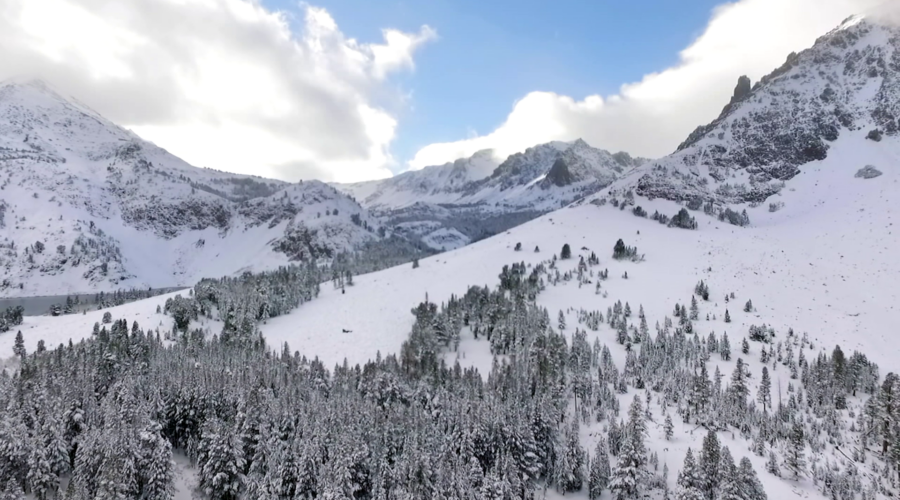
Nevada’s snowpack has dwindled to a mere 17% of its historical average, a statistic that reverberates through the state’s ecosystems, economies, and communities. This alarming figure isn’t just a number—it’s a harbinger of profound shifts in water availability, agricultural stability, and even cultural identity. Beneath the surface of this headline lies a cascade of consequences that ripple far beyond the Sierra Nevada’s once-pristine slopes. From the silent retreat of glaciers to the economic tremors felt in Las Vegas’ glittering casinos, the implications are as vast as they are unsettling. What does this drastic reduction in snowpack truly signify, and why should it command our attention?
The Vanishing Reservoir: A Liquid Asset in Peril
Snowpack serves as nature’s reservoir, storing water in frozen form to release it gradually during the warmer months. Nevada’s 17% snowpack means that this critical buffer has been reduced to a fraction of its former self, leaving water managers scrambling to adapt. The Colorado River, a lifeline for the region, is already strained by overuse and prolonged drought, and the diminished snowpack exacerbates an already precarious situation. Without this seasonal melt, rivers and aquifers face accelerated depletion, threatening both urban and rural water supplies. The ramifications extend to hydroelectric power generation, where reduced water flow translates to lower energy output, further straining an already fragile grid.
Ecosystem Unraveling: The Silent Collapse of High-Altitude Habitats
The Sierra Nevada’s alpine meadows and coniferous forests are not just scenic backdrops—they are intricate ecosystems finely tuned to seasonal snowmelt. As snowpack shrinks, these habitats face a domino effect of ecological disruption. Snow-dependent species, such as the Sierra Nevada bighorn sheep, struggle to find food and shelter, while migratory birds lose critical stopover points. The absence of snow also accelerates soil erosion, as the protective blanket that once insulated the ground from wind and rain disappears. This erosion carries nutrients and pollutants into streams, further degrading water quality. The once-reliable pulse of snowmelt that sustained these landscapes is now a shadow of its former self, leaving ecosystems in a state of perpetual adaptation—or collapse.
Economic Tremors: The Domino Effect on Nevada’s Industries
Nevada’s economy, often associated with glittering casinos and tourism, is deeply intertwined with its natural resources. The state’s agricultural sector, particularly in northern valleys, relies on snowmelt for irrigation, and a 17% snowpack spells financial hardship for farmers. Meanwhile, the tourism industry, which thrives on winter sports and scenic mountain retreats, faces a bleak future as ski resorts confront shorter seasons and unreliable snowfall. Even the real estate market is affected, as water scarcity drives up the cost of living and dampens property values in areas already grappling with drought. The economic ripple effects are undeniable, forcing industries to confront a reality where water is no longer an abundant resource but a precious commodity.
Climate Feedback Loops: The Snowpack’s Role in Accelerating Warming
The decline of Nevada’s snowpack isn’t just a symptom of climate change—it’s also a catalyst. Snow and ice reflect sunlight, a phenomenon known as the albedo effect, which helps regulate Earth’s temperature. As snowpack diminishes, more sunlight is absorbed by the darker surfaces beneath, accelerating local warming. This creates a feedback loop: less snow leads to more heat absorption, which in turn leads to even less snow. The consequences extend beyond Nevada, contributing to broader patterns of climate instability. The shrinking snowpack is not merely a local issue; it’s a piece of a global puzzle that demands urgent attention.
The Human Dimension: Communities at the Crossroads
Behind the statistics are people—farmers, Indigenous communities, and rural residents—who are feeling the impact most acutely. Tribal nations, such as the Washoe Tribe, have relied on the Sierra Nevada’s resources for centuries, and the loss of snowpack disrupts traditional practices and cultural heritage. Meanwhile, small towns that depend on tourism or agriculture face existential threats as water becomes scarcer. The human cost of this environmental shift is profound, underscoring the need for equitable solutions that address both immediate needs and long-term sustainability.
The 17% snowpack is more than a statistic; it’s a wake-up call. As Nevada grapples with the consequences of this dramatic reduction, the lessons extend far beyond its borders. The state’s struggles mirror a global challenge, one that demands innovation, resilience, and a rethinking of how we interact with our environment. The snowpack’s decline is a stark reminder that the natural world operates on delicate balances—and when those balances are disrupted, the ripple effects are felt in every facet of life.