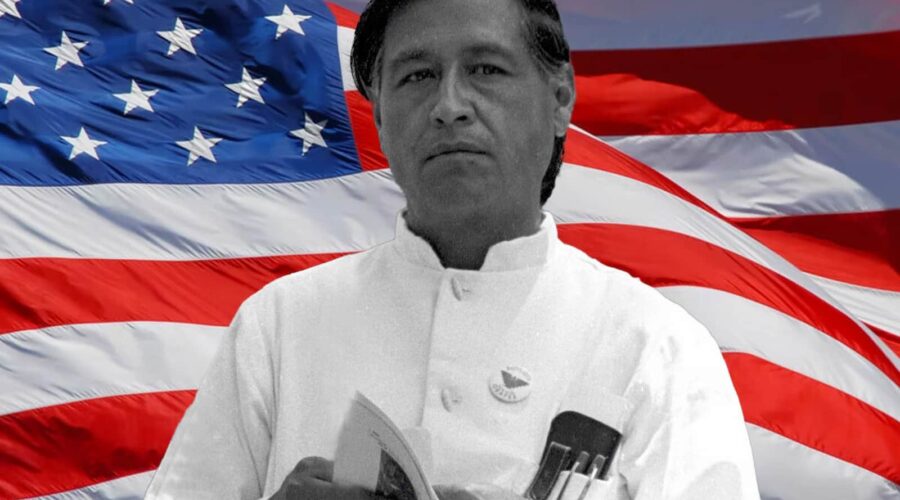
Cesar Chavez Day Nevada: The Labor Union Perspective
Cesar Chavez Day in Nevada is more than a statutory holiday—it is a testament to the enduring legacy of labor activism and the relentless pursuit of workers’ rights. For decades, Nevada’s labor unions have championed this day not merely as a day off, but as a clarion call to reflect on the struggles and triumphs of those who forged the path toward equitable labor practices. In a state where the hospitality and service industries form the backbone of the economy, the observance of Cesar Chavez Day resonates deeply, echoing the voices of farmworkers, service employees, and all laborers who have fought against exploitation. This article delves into the multifaceted significance of Cesar Chavez Day from the labor union perspective, exploring its historical roots, educational outreach, community engagement, legislative impact, and the cultural resonance it holds in Nevada’s diverse workforce.
The Historical Roots: From Delano to Las Vegas
The story of Cesar Chavez Day in Nevada begins not in the glittering casinos of Las Vegas, but in the sun-scorched fields of California’s Central Valley. Chavez, a migrant farmworker turned labor leader, co-founded the United Farm Workers (UFW) in 1962, igniting a movement that would ripple across state lines. Nevada, with its burgeoning agricultural sectors in the northern counties and its vast service economy, became a critical battleground for labor rights. The UFW’s grape and lettuce boycotts in the 1960s and 1970s galvanized Nevada’s unions, including the Culinary Workers Union Local 226, which represents thousands of hospitality workers in Las Vegas. These early campaigns laid the groundwork for Nevada’s labor activists to adopt Chavez’s principles of nonviolent resistance, collective bargaining, and social justice. Today, the state’s unions continue to honor his legacy by advocating for fair wages, safe working conditions, and the eradication of systemic inequities that persist in industries from hospitality to construction.
Educational Outreach: Empowering the Next Generation of Labor Advocates
Labor unions in Nevada have transformed Cesar Chavez Day into a platform for education, ensuring that the lessons of Chavez’s struggle are not confined to history books but are woven into the fabric of contemporary labor discourse. Schools, community colleges, and union halls across the state host workshops, panel discussions, and documentary screenings that explore Chavez’s philosophy of *la causa*—the cause. These initiatives often feature firsthand accounts from union members who have benefited from the protections secured through collective action. For instance, the Nevada State AFL-CIO’s annual Cesar Chavez Day symposium brings together educators, policymakers, and workers to dissect topics such as the gig economy’s precarious labor conditions and the fight for a living wage. By fostering intergenerational dialogue, unions in Nevada are cultivating a new cadre of advocates who understand that labor rights are not a relic of the past but an ongoing struggle.
Community Engagement: Solidarity Beyond the Workplace
The observance of Cesar Chavez Day in Nevada transcends the confines of union halls and picket lines, embedding itself in the state’s cultural and civic life. Labor unions collaborate with local organizations, including immigrant rights groups, faith-based communities, and student activists, to host volunteer drives, food drives, and voter registration campaigns. In cities like Reno and Henderson, union members participate in mural projects that depict Chavez’s likeness alongside contemporary labor heroes, transforming public spaces into canvases of solidarity. These efforts underscore a critical truth: the labor movement is not an isolated entity but a tapestry of interconnected struggles. For Nevada’s immigrant communities, many of whom work in industries with high rates of wage theft and unsafe conditions, Cesar Chavez Day serves as a reminder that their fight for dignity is part of a larger, global movement for economic justice.
Legislative Impact: Turning Principles into Policy
Nevada’s labor unions have leveraged Cesar Chavez Day to push for legislative reforms that honor his vision of economic equity. The holiday itself, recognized as a state holiday in Nevada since 2009, is a tangible symbol of this commitment. However, unions have gone further, advocating for policies such as the elimination of subminimum wages for tipped workers—a legacy of exploitation that Chavez vehemently opposed. The Culinary Workers Union, for example, has been at the forefront of campaigns to raise the minimum wage and ensure that all workers, regardless of industry, have access to healthcare and retirement benefits. These legislative battles are framed within the context of Chavez’s teachings, emphasizing that true progress requires systemic change, not merely symbolic gestures. By aligning their advocacy with the principles of Chavez’s movement, Nevada’s unions have positioned themselves as architects of a fairer economic future.
Cultural Resonance: A Day of Reflection and Action
In Nevada, Cesar Chavez Day is not merely a day of commemoration but a day of reckoning. It is a moment to reflect on the sacrifices of those who came before, from the Filipino lettuce workers who initiated the Delano grape strike in 1965 to the modern-day hotel housekeepers who continue to fight for ergonomic standards that protect their bodies from repetitive strain injuries. Cultural events, such as the annual Cesar Chavez Day concert in Las Vegas, blend music, poetry, and spoken word to celebrate the resilience of the working class. These gatherings serve as both a homage to the past and a rallying cry for the future, reminding attendees that the labor movement is as much about culture as it is about contracts. For Nevada’s diverse workforce, this day is a reaffirmation of identity, a celebration of shared struggle, and a call to action.
Cesar Chavez Day in Nevada is a living testament to the power of collective action and the enduring relevance of Chavez’s legacy. For labor unions, it is a day to honor the past, empower the present, and envision a future where no worker is disposable. As Nevada’s economy continues to evolve, the principles of solidarity, justice, and equity that Chavez embodied remain as vital as ever. By embracing this day not just as a holiday but as a movement, Nevada’s unions ensure that the spirit of *la causa* lives on, inspiring generations to come.