Nevada Gaming Revenue Drops 6.6% Statewide in Early 2026: Full Analysis
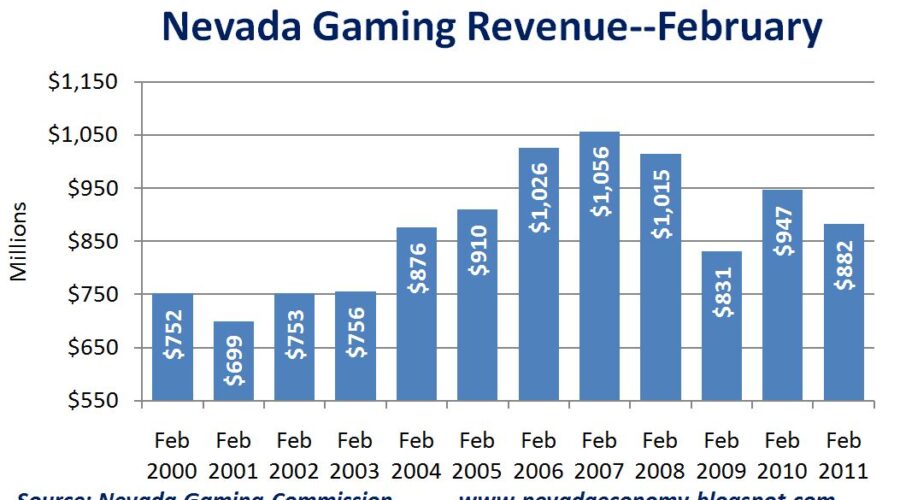
In the glittering heart of Nevada, where neon lights once pulsed in perfect sync with the economy’s heartbeat, a subtle tremor now ripples through the gaming landscape. Early 2026 has ushered in a sobering revelation: statewide gaming revenue has dipped by 6.6%, a figure that, while not catastrophic, demands closer scrutiny. This decline isn’t merely a statistical blip—it’s a narrative thread woven into the broader tapestry of economic transformation, consumer behavior shifts, and the relentless march of technological progress. To dismiss this downturn as a transient hiccup would be to overlook the deeper currents reshaping an industry that has long defined Nevada’s identity.
The Numbers Behind the Decline: More Than Meets the Eye
The 6.6% drop in gaming revenue isn’t an isolated anomaly; it reflects a confluence of factors that have been simmering beneath the surface for years. Traditional brick-and-mortar casinos, once the unassailable titans of Nevada’s economy, now face a landscape where digital alternatives and experiential entertainment are stealing market share. The decline isn’t uniform across all gaming verticals—slots, table games, and sports betting each tell their own story. Slots, the stalwart revenue driver for decades, have seen a gradual erosion as younger demographics gravitate toward skill-based gaming and esports. Meanwhile, table games, particularly blackjack and poker, struggle against the rise of hybrid gaming models that blend physical and virtual play. Sports betting, once a dazzling growth sector, has plateaued as saturation and regulatory complexities dampen its once-unbridled expansion.
The Rise of the Digital Divide: Where Did the Players Go?
The exodus from physical casinos to digital platforms isn’t just a matter of convenience—it’s a cultural shift. The post-pandemic world accelerated a trend that was already in motion: the normalization of online gaming. Platforms offering live dealer experiences, virtual reality casinos, and AI-driven gaming assistants have blurred the line between traditional and digital play. Nevada’s gaming industry, long resistant to full-scale digital integration, now finds itself playing catch-up. The state’s regulatory framework, designed for a bygone era, struggles to accommodate the rapid evolution of gaming technology. While neighboring states like New Jersey and Pennsylvania have embraced online gaming with open arms, Nevada’s cautious approach has left it vulnerable to market capture by more agile competitors.
The Economic Ripple Effect: Beyond the Casino Floor
The impact of this revenue decline extends far beyond the casino floor. Nevada’s economy is a delicate ecosystem where gaming revenue fuels everything from hospitality to public services. A 6.6% dip in gaming revenue translates to reduced tax collections, which in turn affects state budgets and local infrastructure projects. Tourism, the lifeblood of Nevada’s economy, is also feeling the strain. Fewer gaming dollars mean fewer discretionary spending dollars, which ripples through hotels, restaurants, and entertainment venues. The state’s reliance on gaming as its primary economic engine has left it exposed to the whims of consumer behavior and global economic trends. Diversification, once a buzzword, is now an urgent necessity.
The Human Element: What the Numbers Don’t Reveal
Behind the cold statistics lies a more nuanced story—one of changing consumer habits and generational shifts. Millennials and Gen Z, the demographic cohorts now entering their prime spending years, view gaming through a different lens. For them, the casino isn’t a temple of chance but a relic of a bygone era. Their entertainment preferences skew toward immersive experiences, social gaming, and interactive storytelling. The traditional casino, with its velvet-draped tables and clinking slot machines, struggles to resonate with this audience. Meanwhile, older generations, who once dominated casino floors, are grappling with economic uncertainties and shifting priorities. The result is a generational chasm that the industry has yet to bridge.
Looking Ahead: Can Nevada Reinvent Itself?
The path forward for Nevada’s gaming industry is fraught with challenges but also brimming with opportunity. The state’s best hope lies in embracing innovation without sacrificing its core identity. Hybrid gaming models, which blend physical and digital experiences, could offer a middle ground. Regulatory reforms that streamline online gaming and sports betting could unlock new revenue streams. Meanwhile, diversifying the state’s economic base—through technology, renewable energy, and advanced manufacturing—could reduce its reliance on gaming. The Nevada of tomorrow may look vastly different from the Nevada of today, but its ability to adapt will determine whether it thrives or merely survives.
As the dust settles on this latest revenue report, one thing is clear: Nevada’s gaming industry stands at a crossroads. The 6.6% decline is not a death knell but a wake-up call. The question is whether the state will rise to the occasion, leveraging its legendary resilience to navigate the challenges ahead. The neon lights may flicker, but they have never been extinguished for long. The next chapter in Nevada’s story is yet to be written—and it promises to be as compelling as the ones that came before.