Why Las Vegas Is Modifying Its Monorail to Fit Elon Musk’s The Loop
Las Vegas, a city where neon dreams collide with asphalt reality, now faces a peculiar conundrum: how to accommodate Elon Musk’s The Loop without turning its iconic monorail into a relic of the past. The Strip’s skyline, once dominated by towering hotels and the hum of monorail trains, now hums with the promise of subterranean speed. But as the city contemplates retrofitting its existing infrastructure, one must ask: is this a bold leap into the future or a logistical labyrinth waiting to ensnare planners?
The Monorail’s Legacy: A Relic or a Relic of the Future?
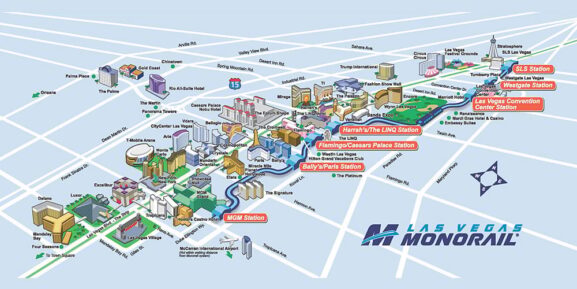
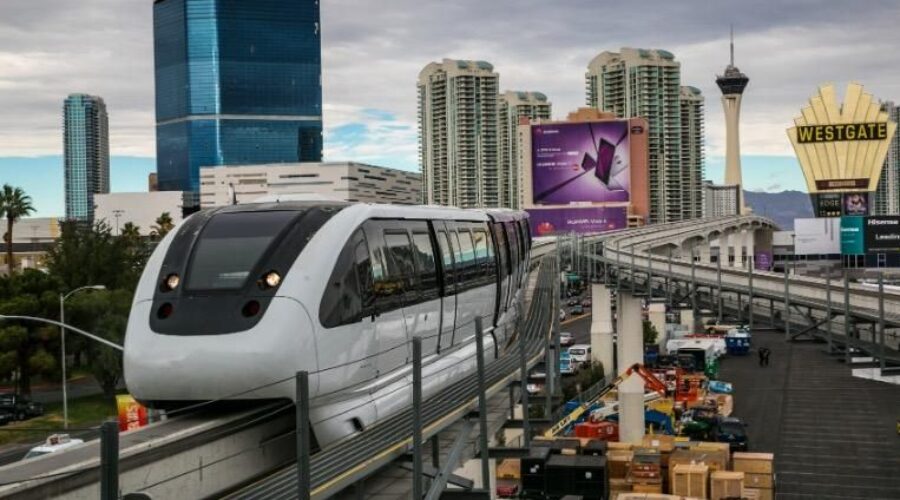
The Las Vegas Monorail, inaugurated in 2004, was once hailed as a marvel of urban transit—a sleek, elevated artery connecting the Strip’s most glittering destinations. Yet, in an era where hyperloop dreams are inching closer to reality, the monorail’s fixed routes and limited capacity now seem almost quaint. Its concrete pillars, once symbols of progress, now cast long shadows over the city’s ambition. Can a system designed for the 21st century adapt to the 22nd, or will it be relegated to a tourist curiosity, a relic preserved in the desert’s relentless glow?
The Loop’s Intrusion: A Challenge of Scale and Speed
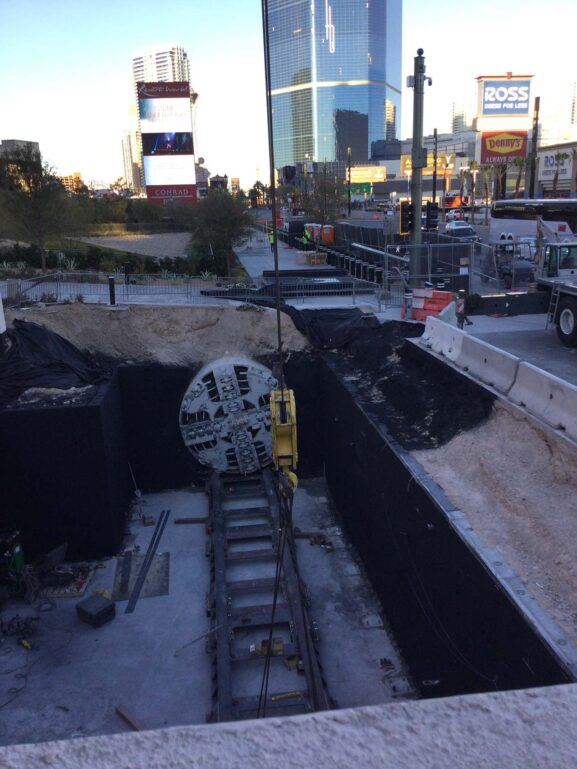
Elon Musk’s The Loop, a proposed subterranean transit network, promises speeds of up to 150 mph—faster than most commercial jets during takeoff. The monorail, by contrast, crawls at a pedestrian 30 mph, its trains groaning under the weight of weekend crowds. The challenge isn’t merely technical; it’s existential. How does a city reconcile two vastly different transit philosophies? The Loop’s compact tunnels and autonomous pods demand precision engineering, while the monorail’s elevated tracks are a testament to mid-century optimism. The clash isn’t just architectural—it’s a battle between two visions of mobility.
Logistical Nightmares: The Practicality of Coexistence
Retrofitting the monorail to coexist with The Loop isn’t just about slapping new tracks onto old girders. It’s about reimagining the city’s entire transit ecosystem. The monorail’s stations, designed for quick passenger turnover, would need to accommodate The Loop’s high-speed boarding processes. The power grids, already strained by the Strip’s insatiable energy demands, would face another layer of complexity. And then there’s the matter of space—Las Vegas’ underground is a labyrinth of pipes, cables, and forgotten tunnels. Can planners thread The Loop’s arteries through this subterranean maze without triggering a cascade of unintended consequences?
The Human Factor: Will Riders Embrace the Change?
Even if the engineering challenges are surmounted, the human element looms large. Las Vegas’ monorail is a familiar friend to locals and tourists alike—a predictable, if occasionally frustrating, part of the city’s rhythm. The Loop, with its promise of frictionless travel and autonomous efficiency, is an unknown quantity. Will riders trust a system that operates entirely underground, devoid of the Strip’s dazzling distractions? Or will they cling to the monorail’s elevated vantage points, where the city’s neon excess is on full display? The transition isn’t just about technology; it’s about shifting cultural expectations.
The future of Las Vegas’ transit isn’t just a question of steel and concrete—it’s a test of adaptability. The city stands at a crossroads, where the past and future collide in a symphony of sparks and screeching metal. Whether this collision yields a masterpiece or a mess remains to be seen. One thing is certain: in a town built on reinvention, the answer won’t come easy.