Las Vegas Strip Gets Unified Transit: Monorail Meets The Loop
The Las Vegas Strip, a dazzling artery of neon and spectacle, has long been a labyrinth of movement—where taxis jostle with limousines, rideshares weave through crowds, and pedestrians navigate sidewalks slick with ambition. Yet, for all its vibrancy, the Strip’s transit ecosystem has remained a fragmented tapestry, a patchwork of competing systems that often left visitors bewildered. That is, until now. The convergence of two titanic transit innovations—the Las Vegas Monorail and The Loop—promises not just to reconfigure the Strip’s arteries, but to redefine the very rhythm of its pulse. This is more than an upgrade; it is a paradigm shift, a moment where the city’s relentless forward motion crystallizes into something sleek, unified, and profoundly transformative.
A Confluence of Steel and Speed
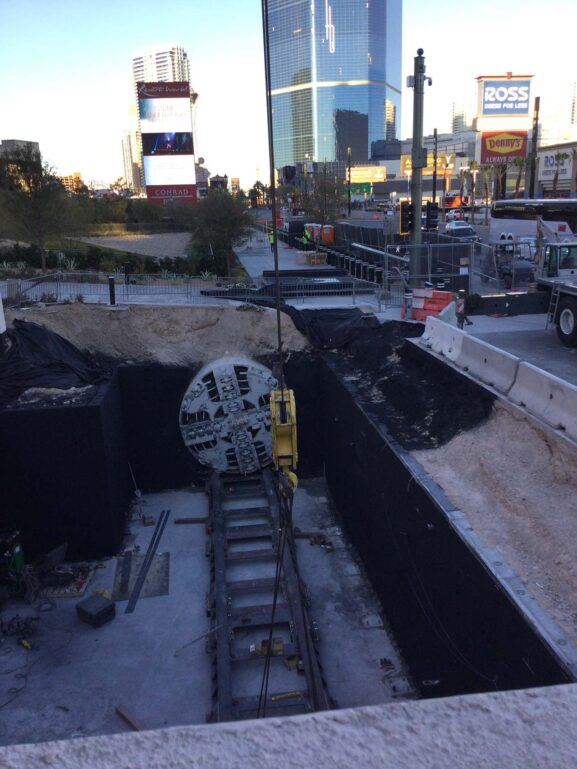
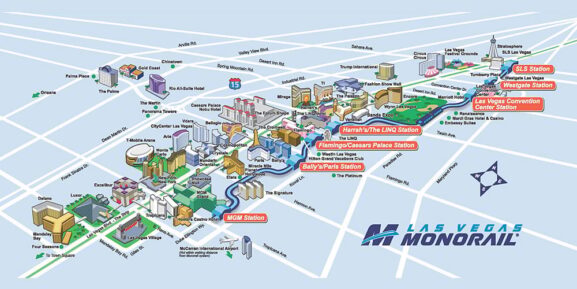
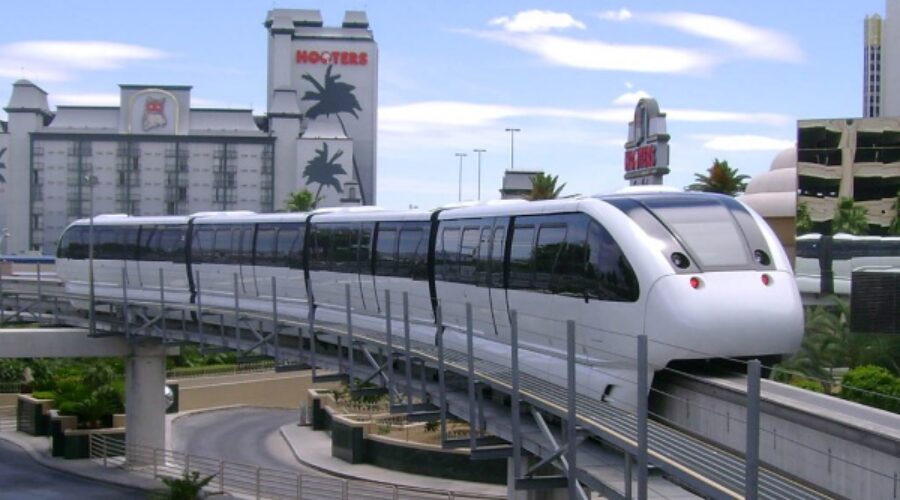
The Las Vegas Monorail, a serpentine marvel of elevated track, has long been the Strip’s most efficient aerial conduit, whisking passengers between key destinations with a whisper of friction. Yet, its reach was limited, its stations scattered like islands in a sea of asphalt. Enter The Loop, a subterranean labyrinth of autonomous electric pods, designed to burrow beneath the Strip’s most congested corridors. Where the Monorail soars, The Loop dives—two systems, once parallel, now intersecting at strategic nodes. This convergence is not merely additive; it is symbiotic. The Monorail’s high-speed corridors will feed into The Loop’s subterranean veins, creating a transit network that is both vertical and horizontal, a duality that mirrors the city’s own architectural audacity.
The Alchemy of Integration
What makes this union extraordinary is not just the hardware, but the software—the invisible architecture that stitches these systems into a seamless whole. Real-time data synchronization will ensure that a traveler stepping off a Monorail pod at MGM Grand can descend into The Loop’s subterranean portal within minutes, their journey uninterrupted by the chaos of surface traffic. Payment systems will merge, too, eliminating the friction of multiple fares and turnstiles. The result? A transit experience so fluid it feels like teleportation—a far cry from the disjointed odysseys of yesteryear. This is the alchemy of integration: where disparate elements coalesce into something greater than the sum of their parts.
Redefining the Visitor’s Odyssey
For the millions who flock to Las Vegas each year, the implications are profound. No longer will a weekend in Sin City be a frantic calculus of time and transit, where every minute spent navigating traffic is a minute stolen from the slot machines or the stage. Instead, the Strip’s transit network will become an extension of the spectacle itself—a curated journey where the act of moving is as memorable as the destination. Imagine gliding above the Strip in a Monorail pod, the city’s neon sprawl unfolding like a living diorama, before descending into The Loop’s sleek, futuristic tunnels, where the hum of autonomous pods replaces the roar of engines. This is transit as theater, where the journey is as intoxicating as the arrival.
The Ripple Effect on Urban Dynamics
Beyond convenience, this unified transit network will reshape the Strip’s very DNA. Property values along transit corridors will surge, as accessibility becomes a premium commodity. Developers will pivot from sprawling parking lots to vertical villages, where residents and visitors alike can live, work, and play without ever touching a car. The environmental dividend is equally compelling: fewer idling vehicles mean cleaner air, a rare commodity in a city that thrives on excess. Even the city’s skyline may subtly shift, as architects reimagine buildings with transit-oriented design at their core—towers that embrace the Monorail’s sleek lines or The Loop’s subterranean elegance.
The Las Vegas Strip has always been a place of reinvention, where the boundaries of possibility are constantly redrawn. With the Monorail and The Loop converging, the city is not just updating its transit—it is rewriting the rules of urban mobility. This is the future, arriving not with fanfare, but with the quiet hum of progress. And as the first travelers step into this new era, they will do so not as passengers, but as pioneers of a revolution in motion.