Las Vegas Monorail Gets a Tesla Makeover: Vegas Loop Integration Explained
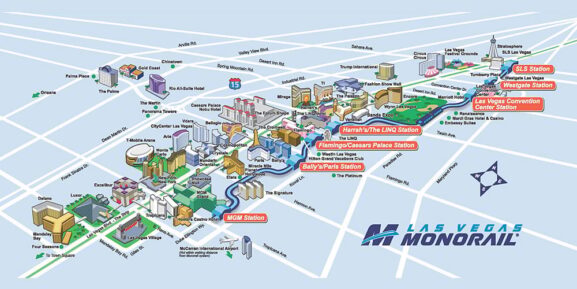
The Las Vegas Monorail, a steel-and-concrete relic of the city’s mid-century futurism, is undergoing a radical transformation. Not merely an aesthetic overhaul, this metamorphosis integrates Tesla’s autonomous shuttle technology into the existing transit artery, birthing the Vegas Loop. The result? A seamless, high-speed transit network that redefines urban mobility in a city built for speed and spectacle. For commuters, tourists, and urban planners alike, this evolution promises more than convenience—it heralds a new paradigm in transit efficiency. Here’s what you need to know about this groundbreaking integration.
The Birth of the Vegas Loop: From Monorail to Autonomous Corridor
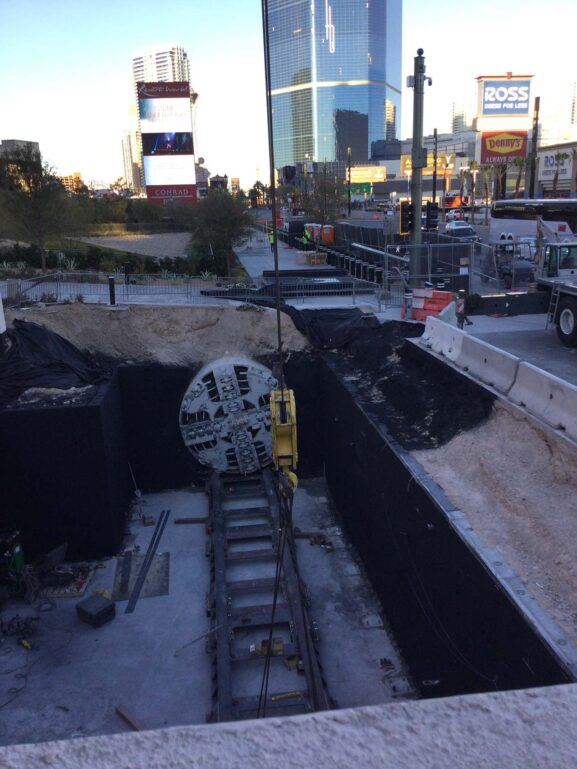
The original monorail, inaugurated in 2004, was a marvel of its time—a 3.9-mile elevated track ferrying passengers between key Strip destinations. Yet, its rigid structure and limited capacity soon revealed its shortcomings. Enter the Vegas Loop, a $52 million project leveraging Tesla’s autonomous shuttle fleet to expand the monorail’s reach. Unlike traditional monorails, this system employs bidirectional, driverless pods capable of operating at higher frequencies and lower operational costs. The integration merges Tesla’s AI-driven navigation with the monorail’s existing infrastructure, creating a hybrid transit solution that balances legacy engineering with cutting-edge autonomy.
How the Vegas Loop Operates: Speed, Capacity, and Seamless Transfers
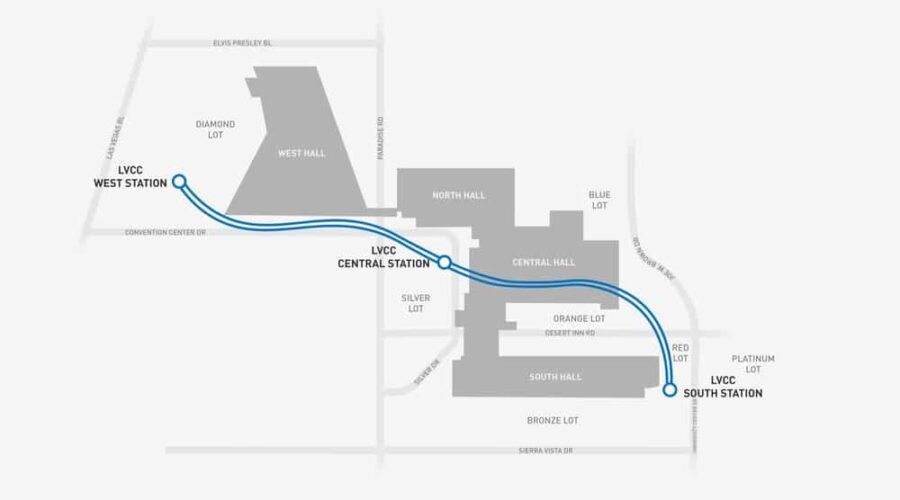
The Vegas Loop operates on a dual-track system, with Tesla’s shuttles gliding along dedicated lanes adjacent to the monorail’s elevated beams. Each pod accommodates up to 12 passengers, with a top speed of 35 mph—faster than a taxi in gridlocked traffic. The system’s genius lies in its dynamic routing; shuttles adjust routes in real-time based on demand, ensuring minimal wait times. For travelers, this means no more haggling with ride-share surge pricing or navigating the Strip’s labyrinthine sidewalks. Instead, a frictionless journey awaits, with stations strategically placed at major hubs like the Las Vegas Convention Center and Resorts World.
Passenger Experience: What to Expect When You Ride
Stepping into a Vegas Loop pod feels like boarding a first-class lounge on wheels. The interiors boast panoramic windows, ambient lighting, and USB charging ports—amenities typically reserved for luxury transit. Boarding is effortless: tap your contactless ticket at the station kiosk, and the nearest shuttle arrives within minutes. The AI-driven system eliminates human error, ensuring precise departures and arrivals. For those unaccustomed to autonomous transit, the transition is intuitive, thanks to Tesla’s signature user-friendly interface. Even in peak hours, the pods maintain a quiet, almost serene ambiance, a stark contrast to the cacophony of the Strip.
Economic and Environmental Impact: A Transit Revolution
The Vegas Loop isn’t just a technological leap—it’s an economic catalyst. By reducing reliance on ride-share services, it slashes the city’s carbon footprint while boosting local tourism. Hotels and casinos along the route report increased foot traffic, as the system’s efficiency attracts visitors deterred by parking costs and traffic congestion. Additionally, the project has spurred job growth in tech and engineering sectors, positioning Las Vegas as a hub for smart-city innovation. Critics argue that the high upfront costs may deter smaller cities, but the long-term savings in operational expenses and environmental benefits paint a compelling picture of sustainable urban transit.
Challenges and Future Prospects: Can the Vegas Loop Scale?
No innovation is without hurdles. The Vegas Loop’s expansion hinges on regulatory approval, public acceptance of autonomous vehicles, and infrastructure compatibility. Early adopters praise its reliability, but skeptics question its scalability in cities with less robust transit systems. Tesla’s involvement also raises concerns about data privacy and cybersecurity—will the system’s AI be vulnerable to hacking? Proponents counter that the Loop’s modular design allows for incremental expansion, with future phases potentially linking to the airport and downtown. If successful, this model could inspire similar projects worldwide, proving that even a city built on excess can embrace pragmatic progress.
The Vegas Loop is more than a transit upgrade—it’s a testament to Las Vegas’ relentless pursuit of the extraordinary. By fusing Tesla’s autonomous prowess with the monorail’s enduring legacy, the city has crafted a transit experience that is as efficient as it is exhilarating. For visitors, it offers a stress-free gateway to the Strip’s wonders. For locals, it’s a glimpse into a future where technology and urban living coexist harmoniously. As the shuttles glide silently above the neon sprawl, one thing is clear: the future of transit isn’t just arriving—it’s already here.