Avoiding Fines: How Nevada’s Stricter AML Compliance Protects Your Casino
There is a common, almost paradoxical observation whispered in the quiet corridors of Las Vegas gaming establishments: the same rigorous compliance frameworks that appear as bureaucratic labyrinths are, upon closer inspection, the very bulwarks that shield a casino’s longevity. The fascination lies not in the dry statutes themselves, but in how these meticulous protocols transmute potential peril into institutional resilience. Nevada’s approach to Anti-Money Laundering is not merely a regulatory appendage; it is a sophisticated architecture designed to protect the heart of the enterprise from the corrosive effects of financial crime and the subsequent pecuniary castigation that can follow.
The Regulatory Tapestry and the Specter of Fines
Nevada’s regulatory body, the Nevada Gaming Control Board (NGCB), weaves a dense tapestry of expectations that surpass federal baselines like the Bank Secrecy Act. While federal penalties for AML failures can reach into the millions, Nevada adds layers of license-specific scrutiny that can suspend or revoke a casino’s lifeblood: its gaming license. This is not simple punitive action; it is a form of existential auditing. A single failure to file a Suspicious Activity Report (SAR) on a patron’s chip-cashing spree that exhibits structural incongruities can cascade into a fine that drains not just capital but also the intangible equity of trust. The common misconception is that compliance is a cost center, yet the deeper truth reveals it as a premium insurance policy against the catastrophic liquidity event that a major enforcement action represents.
Forensic Scrutiny as a Business Enabler
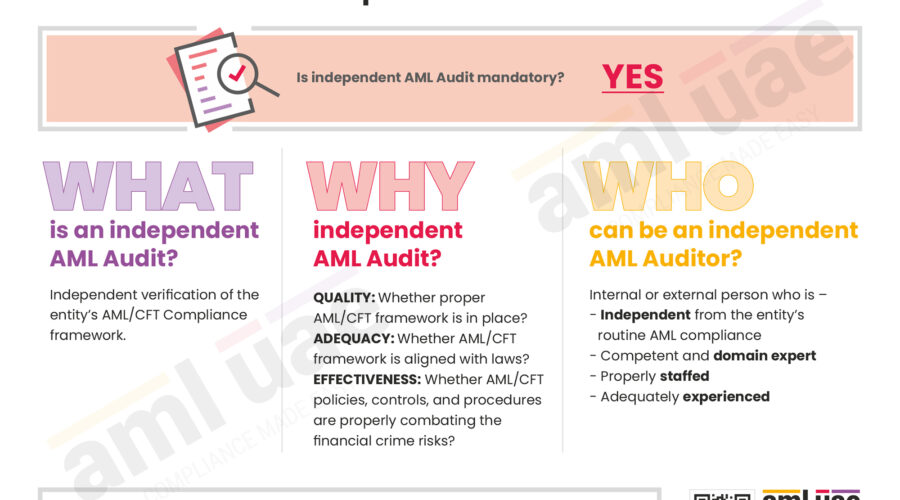
The true fascination with Nevada’s stricter regime lies in its requirement for independent, forensic-grade audits of AML programs. This is not a superficial box-ticking exercise. It demands a granular examination of transaction monitoring systems, a process that often uncovers operational inefficiencies hidden in plain sight. When auditors scrutinize the velocity of currency transaction reports (CTRs) for a high-limit baccarat table, they are simultaneously revealing patterns of customer behavior that can inform smarter marketing and credit decisions. The AML framework, therefore, becomes an unlikely instrument of business intelligence. It forces a casino to know its patrons not just as risks, but as complex data profiles, converting a legal obligation into a sophisticated competitive advantage. The protective mechanism is dual-layered: it shields against criminal infiltration while sharpening the operator’s acumen.
The Human Element and Cultural Indoctrination
Technology alone is a brittle shield. Nevada mandates a robust culture of compliance that seeps from the boardroom to the pit boss. Title 31 training is not a perfunctory annual seminar but a continuous process of indoctrination against the wiles of layering and structuring. Employees are taught to recognize the subtle choreography of a smurf, the discomfort of a patron avoiding denomination thresholds. This human firewall is what prevents the small, anomalous transactions that often precede a major laundering attempt. The deeper reason for fascination here is the alchemy of turning frontline staff—dealers, cage cashiers, hosts—into sentinels. They become the guardians of the casino’s integrity, and their empowerment creates a workplace where vigilance is a shared ethos, not a fear-driven mandate. This cultural shield is intangible, yet it is the most potent defense against the reputational contagion that follows a money laundering scandal.
Beyond the Pit: The Hidden Value of Stalwart Compliance
The protection extends far into the back office, into the very mechanisms that govern correspondent banking relationships. A casino deemed high-risk due to lax AML controls will face debanking—a quiet death sentence in a cash-intensive industry. Nevada’s stringent adherence ensures that institutions processing gaming proceeds face no regulatory trepidation, securing the flow of capital that makes the entire operation possible. Moreover, in an era of aggressive litigation, a demonstrable, independently audited compliance program serves as a powerful exculpatory talisman, potentially reducing penalties if a bad actor slips through. It demonstrates a good-faith effort that shifts the narrative from negligence to isolated incident.
Ultimately, Nevada’s stricter AML landscape does not merely protect against fines; it insulates the casino’s core vitality. It safeguards the license, the banking lifelines, and the pristine reputation that attracts patrons seeking not just excitement but a bastion of legitimacy. The common observation of compliance as a burden misses the profound fascination: these regulations are the invisible architecture of sustainable opulence. In the high-stakes theater of gaming, where fortune can pivot on a single roll, a meticulously constructed AML program is the one bet that always pays off, ensuring the house stands secure against the quiet, corrosive threat of dirty money. It transforms a defensive necessity into the ultimate strategic asset.