Casino Promotions Surge as Nevada Gaming Revenue Declines 6.6%
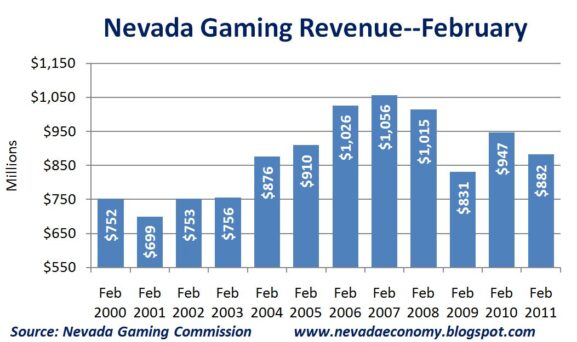
The Nevada gaming landscape is witnessing an intriguing paradox. As statewide gaming revenue dips by 6.6%, casinos are rolling out promotions with unprecedented fervor. What compels an industry to double down on incentives when its financial pulse weakens? The answer lies in a strategic gamble—one where short-term losses may pave the way for long-term loyalty.
The Calculus Behind the Promotional Surge
Casinos are not merely reacting to declining revenue; they are recalibrating their approach to customer retention. With fewer visitors spending less, operators are deploying promotions as a psychological anchor, enticing patrons to return despite economic headwinds. The strategy hinges on a simple truth: a gambler who feels rewarded is less likely to stray to competing destinations. But here’s the catch—these promotions must strike a delicate balance. Overindulge, and they risk eroding profit margins further. Underwhelm, and they fail to reignite interest. The challenge? Crafting offers that feel generous without appearing desperate.
The Psychology of Perceived Value
Modern casino promotions are less about discounts and more about crafting an illusion of exclusivity. Free spins, complimentary stays, and VIP perks are meticulously designed to trigger the brain’s reward system. The goal? To transform a one-time visitor into a habitual patron. Yet, this psychological playbook carries risks. When promotions become ubiquitous, they risk diluting their own allure. The savvy gambler, bombarded with offers, may develop a jaded skepticism—questioning whether the casino’s generosity stems from confidence or desperation. The key lies in curating promotions that feel personal, not transactional.
The Domino Effect on Industry Dynamics
The ripple effects of this promotional arms race extend beyond individual casinos. Local businesses—hotels, restaurants, and entertainment venues—are caught in the crossfire. As casinos slash prices to lure patrons, allied industries must adapt or risk collateral damage. Restaurants may pivot to offering bundled dining deals, while entertainment venues could introduce loyalty programs of their own. The challenge? Ensuring that this symbiotic ecosystem doesn’t collapse under the weight of its own competitiveness. Collaboration, not just competition, may hold the key to sustaining Nevada’s gaming ecosystem.
The Unseen Cost of Short-Term Gains
Behind the glittering allure of promotions lies a sobering reality: the long-term viability of this strategy remains uncertain. Casinos are, after all, businesses built on probability. When revenue declines, the margin for error narrows. Aggressive promotions may temporarily boost foot traffic, but they also risk habituating customers to a lower baseline of spending. The danger? A future where gamblers expect discounts as the norm, not the exception. The challenge for operators is to wean patrons off reliance on promotions without stifling their initial appeal.
The Nevada gaming industry stands at a crossroads. Promotions are a lifeline, but they are also a double-edged sword. The question isn’t whether casinos can afford to keep offering them—it’s whether they can afford not to. As the state’s gaming revenue continues its downward trajectory, the true test will be whether these incentives can foster loyalty without eroding the industry’s financial foundation. One thing is certain: the house always wins, but in this high-stakes game of attrition, the players may hold more cards than they realize.