Will Nevada Gaming Revenue Rebound? Experts Weigh In on 6.6% Dip
The Nevada gaming industry, a titan of the global gambling landscape, has long been a barometer for economic vitality in the Silver State. Yet, recent whispers of a 6.6% dip in revenue have sent ripples through boardrooms and betting parlors alike. As stakeholders scramble to decipher the implications, experts are dissecting the data with surgical precision, weighing macroeconomic headwinds against the resilience of Sin City’s allure. The question lingers: Can Nevada’s gaming revenue stage a triumphant rebound, or is this a harbinger of deeper structural shifts?
The Anatomy of the Dip: What’s Behind the Decline?
To understand the 6.6% contraction, one must first dissect its constituent parts. The decline isn’t monolithic; it’s a mosaic of disparate pressures. Tourism, the lifeblood of Nevada’s gaming sector, has faced headwinds from inflationary pressures and shifting consumer priorities. While high rollers still flock to the Strip, mid-tier and budget-conscious gamblers are tightening their purse strings, opting for alternative entertainment or digital platforms. Meanwhile, labor shortages in hospitality and gaming operations have exacerbated operational inefficiencies, driving up costs and dampening margins. Regulatory changes, though often subtle, can also cast long shadows—new taxes on winnings or stricter compliance requirements can erode profitability overnight.
Macro Forces at Play: A Global Perspective
The Nevada gaming industry doesn’t operate in a vacuum. Global economic tremors—from geopolitical tensions to supply chain disruptions—send shockwaves through its corridors. The post-pandemic recovery, while robust in some sectors, has been uneven, with lingering effects on discretionary spending. Additionally, the rise of online gaming and sports betting has siphoned off a portion of traditional casino revenue, particularly among younger demographics who view digital platforms as more convenient and less intimidating. Cryptocurrency’s volatile flirtation with the gaming world further complicates the landscape, introducing both speculative opportunities and regulatory quagmires. For Nevada’s casinos, adapting to these macro forces isn’t just strategic—it’s existential.
The Strip vs. Regional Casinos: A Tale of Two Economies
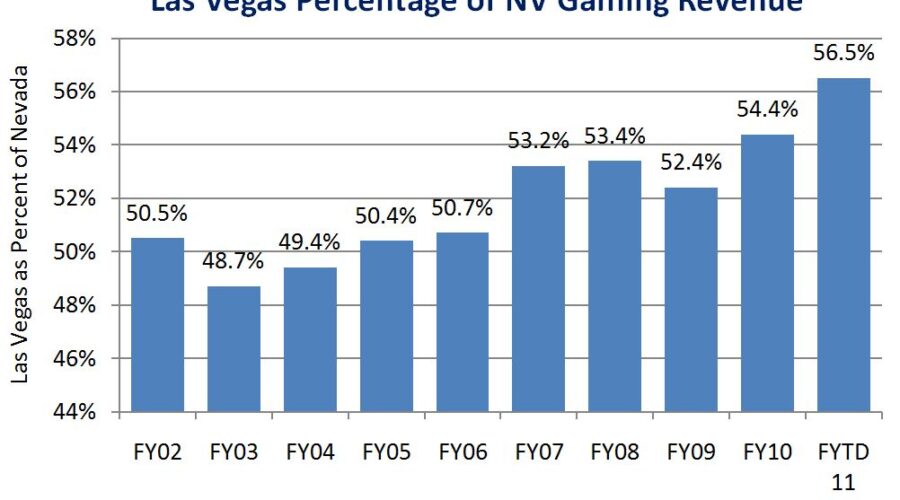
Not all gaming revenue is created equal. The Las Vegas Strip, Nevada’s crown jewel, commands a disproportionate share of attention—and revenue—but its performance often diverges from that of regional casinos scattered across the state. The Strip thrives on spectacle: luxury resorts, celebrity chef restaurants, and high-stakes entertainment that transform gambling into an experience rather than a pastime. In contrast, regional casinos cater to local patrons, offering a more utilitarian gaming environment. While the Strip’s revenue dip may grab headlines, regional operators face their own challenges, from competition with tribal casinos to the encroachment of online gaming. Understanding these divergent dynamics is key to grasping Nevada’s broader gaming narrative.
Innovation as the Great Equalizer
Amidst the doom and gloom, a glimmer of hope emerges: innovation. Nevada’s gaming industry has a storied history of reinvention, from the neon-lit excesses of the mid-20th century to the integrated resort model of today. The current downturn may well be the catalyst for the next evolution. Casinos are doubling down on immersive technologies—augmented reality gaming, AI-driven personalized experiences, and cashless payment systems—to lure back patrons and streamline operations. The integration of non-gaming amenities, such as wellness spas and culinary destinations, further blurs the lines between gambling and leisure, appealing to a broader audience. For those willing to embrace change, innovation could be the bridge between past glories and future resilience.
Expert Predictions: A Spectrum of Optimism and Caution
Opinions among industry analysts are as varied as the games on a casino floor. Optimists point to Nevada’s historical ability to weather storms, citing the state’s diversified economy and unparalleled brand recognition. They argue that pent-up demand for travel and entertainment will eventually fuel a rebound, particularly as global economic conditions stabilize. Pessimists, however, warn of structural challenges that may not be so easily surmounted. They highlight the erosion of Nevada’s gambling monopoly, the rise of competing gaming jurisdictions, and the shifting sands of consumer behavior. The truth, as is often the case, lies somewhere in between—a gradual recovery tempered by the need for bold, forward-thinking strategies.
The Nevada gaming industry stands at a crossroads, its future shaped by forces both within and beyond its control. While the 6.6% dip is a cause for concern, it is not a death knell. For those who can navigate the turbulence with agility and foresight, the path forward offers not just a rebound, but a renaissance. The house always wins in the long run—but only if it’s willing to play the game differently.