Nevada Casinos Fight for Every Dollar After 6.6% Revenue Dip
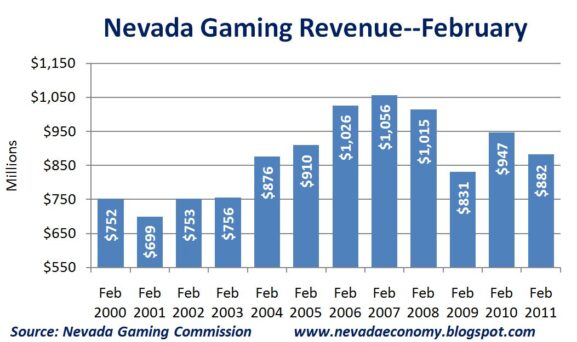
Nevada’s glittering casino floors, once synonymous with unbridled extravagance, now hum with a different rhythm—a cautious, almost frugal cadence. The state’s gaming revenue, a barometer of economic vitality, dipped by 6.6% in the latest reporting period, a stark contrast to the record-breaking highs of just months prior. This decline isn’t merely a statistical blip; it’s a harbinger of deeper shifts in consumer behavior, industry dynamics, and the very fabric of leisure spending. As operators tighten their belts and rethink strategies, the question lingers: what forces are reshaping Nevada’s casino economy, and can the industry reclaim its former luster?
The Weight of External Pressures
The 6.6% revenue contraction isn’t an isolated anomaly—it’s a symptom of broader economic headwinds. Inflation’s relentless grip has eroded discretionary spending, forcing consumers to prioritize essentials over indulgence. Meanwhile, the post-pandemic normalization of remote work has diluted the once-reliable influx of business travelers, a demographic that historically poured billions into high-stakes gambling. Casinos, long insulated by their allure, now face a fragmented market where entertainment competes with rising costs of living. The result? A discernible shift from lavish splurges to measured, value-driven engagements.
The Illusion of Recovery and Its Fractures
Nevada’s casinos basked in the glow of record-breaking revenue in mid-2023, a fleeting triumph that masked underlying fragility. The August surge, while impressive, was an outlier—a perfect storm of pent-up demand, tourism rebounds, and seasonal spikes. Yet, beneath the surface, cracks were forming. Local gaming markets, particularly those outside the Las Vegas Strip, struggled to sustain momentum. The disparity between tourist-driven revenue and resident spending revealed a troubling truth: Nevada’s economic engine is increasingly dependent on a transient, unpredictable audience. Without diversifying revenue streams, the industry risks being held hostage by the whims of external forces.
The High-Stakes Game of Adaptation
In response to the downturn, casinos are deploying a playbook of innovation and austerity. Operators are doubling down on loyalty programs, transforming casual visitors into repeat patrons through personalized incentives. Meanwhile, the integration of non-gaming amenities—culinary experiences, live entertainment, and immersive retail—reflects a strategic pivot toward holistic entertainment. Yet, these measures are a double-edged sword. While they broaden appeal, they also dilute the casino’s core identity, risking the loss of its magnetic allure. The challenge lies in striking a balance: preserving the mystique of high-stakes gambling while evolving into a multifaceted destination.
The Psychological Undercurrent
Beyond economics, the revenue dip exposes a psychological shift among consumers. The post-pandemic era has fostered a collective wariness toward conspicuous consumption. Gamblers, once driven by the thrill of risk, now approach casinos with a more calculated mindset. The allure of a jackpot pales beside the specter of financial instability, prompting a preference for lower-stakes games and shorter visits. This behavioral shift isn’t just a passing trend—it’s a cultural recalibration, one that demands casinos rethink their psychological engagement strategies. The question isn’t just how to attract patrons, but how to reignite their sense of wonder in an era of caution.
The Road Ahead: Resilience or Reinvention?
Nevada’s casinos stand at a crossroads. The path of resilience—tightening operations, slashing costs, and waiting for a return to pre-pandemic norms—offers short-term stability but risks long-term stagnation. The alternative, reinvention, demands bold creativity: reimagining casino spaces as experiential hubs, leveraging technology to enhance personalization, and forging partnerships that extend beyond gaming. The industry’s future hinges on its ability to transcend its traditional boundaries, blending the timeless allure of chance with the demands of a new consumer landscape. Whether Nevada’s casinos can pivot from survival mode to renaissance remains an open question—but one thing is certain: the game has changed, and the stakes have never been higher.