Lake Tahoe Snowpack Crash: Nevada Braces for Severe Summer Drought
In the shadow of the Sierra Nevada’s jagged peaks, where the cerulean waters of Lake Tahoe lap against shores of sun-bleached granite, a silent crisis is unfolding. The once-reliable snowpack—nature’s frozen reservoir—has dwindled to a fraction of its former glory, leaving Nevada on the precipice of a summer drought that threatens to redraw the state’s ecological and economic landscape. What was once a predictable cycle of winter accumulation and spring melt has fractured, and the consequences are reverberating through ecosystems, water supplies, and communities alike. This isn’t merely a seasonal anomaly; it’s a harbinger of a new normal, one that demands we rethink our relationship with water, resilience, and the very foundations of life in the West.
The Vanishing Snow: A Crisis Foretold
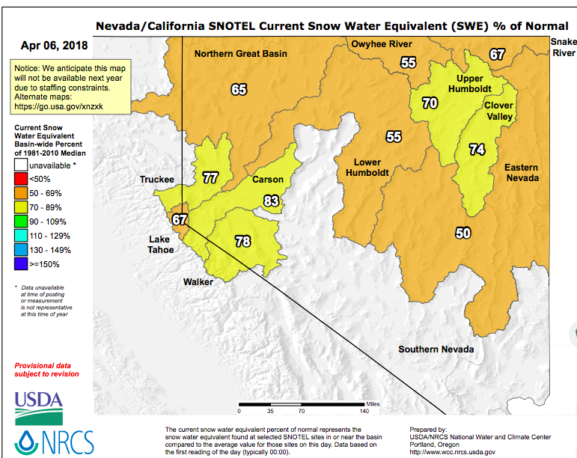
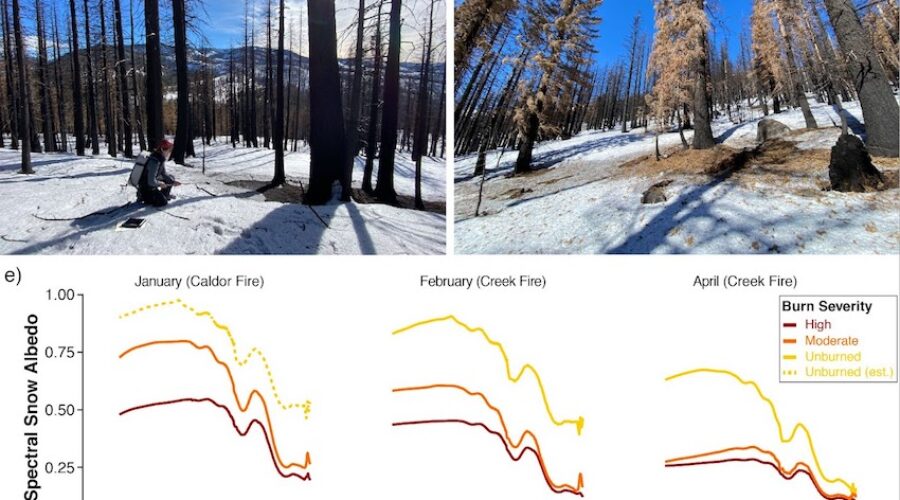
The Sierra Nevada snowpack, a natural phenomenon that has sustained Nevada and California for millennia, is in freefall. Satellite imagery and ground measurements reveal a startling truth: snowpack levels in the Lake Tahoe basin have plummeted to less than 30% of their historical averages. The culprits are manifold—rising global temperatures, shifting jet streams, and the relentless march of wildfires that scorch the land and darken the snow with soot, accelerating its melt. This isn’t just a loss of white powder on mountain slopes; it’s the erosion of a critical water bank, one that fills reservoirs, irrigates crops, and quenches the thirst of millions. The implications are stark: less snow means less water, and less water means a summer of reckoning for a state that thrives on the illusion of abundance.
Nevada’s Precarious Position: Between Drought and Desperation
Nevada, a state synonymous with arid resilience, now finds itself in an unenviable position. Las Vegas, a city that has defied the desert’s limits through engineering and sheer willpower, is staring down the barrel of potential water shortages. The Colorado River, the lifeblood of the region, is at historically low levels, and the dwindling snowpack in the Sierra Nevada exacerbates an already dire situation. Rural communities, dependent on seasonal runoff for agriculture and livestock, are bracing for the worst. Ranchers are selling off herds. Farmers are fallowing fields. The economic ripple effects are spreading like cracks in dry earth. Meanwhile, urban centers are tightening water restrictions, a desperate bid to stave off the inevitable. This is not a drill. This is the new reality, and Nevada must adapt or face the consequences.
The Ecological Domino Effect: When Snow Disappears
The consequences of a shrinking snowpack extend far beyond human needs. The Sierra Nevada’s ecosystems are finely tuned to the rhythm of snowmelt, and when that rhythm is disrupted, the entire food web trembles. Streams that once teemed with trout and supported diverse riparian habitats now run low or dry. Amphibians, already vulnerable to habitat loss, face extinction as their breeding grounds vanish. Forests, stressed by drought and beetle infestations, become tinderboxes, primed for the next catastrophic wildfire. Even the alpine meadows, those vibrant patches of biodiversity, are withering under the unrelenting sun. The loss of snowpack isn’t just a hydrological issue; it’s an ecological unraveling, one that threatens to reshape the Sierra Nevada’s identity forever.
Adaptation in the Age of Scarcity: Nevada’s Path Forward
Yet, where there is crisis, there is also opportunity. Nevada is no stranger to innovation, and the state is already taking bold steps to confront this challenge. Desalination plants are being expanded, groundwater recharge projects are underway, and conservation programs are incentivizing businesses and residents to slash water use. Cities are investing in drought-resistant landscaping and wastewater recycling, turning necessity into a new standard. On a larger scale, policymakers are reimagining water allocation, prioritizing efficiency over entitlement. The message is clear: adaptation is not optional. It is the only path to survival. But these efforts must be swift, decisive, and backed by unwavering commitment. The clock is ticking, and the stakes could not be higher.
The Lake Tahoe snowpack crash is more than a statistic. It is a wake-up call, a stark reminder that the natural systems we’ve long taken for granted are under siege. Nevada stands at a crossroads, where the choices made today will determine the state’s fate for generations to come. The era of abundance is over. The era of resilience has begun. Will we rise to the challenge, or will we be swept away by the currents of change? The answer lies not in the snow that once fell, but in the actions we take now to secure the future.