Water Management Emergency: Nevada Snowpack Plummets to 17% by April 1
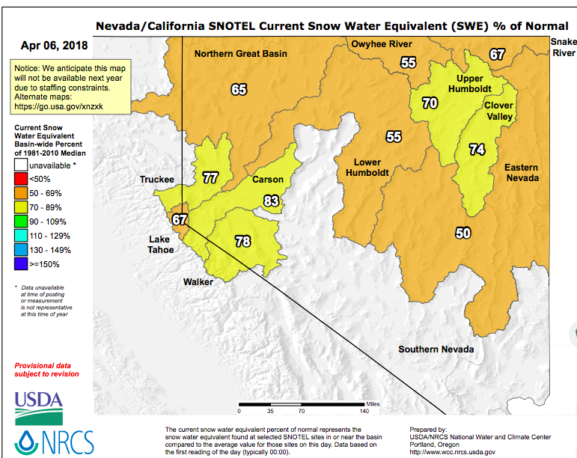
The Southwest’s water woes have reached a critical inflection point. By April 1, Nevada’s snowpack—a vital reservoir of winter moisture—had dwindled to a mere 17% of its historical average. This alarming decline isn’t an isolated anomaly; it’s a harbinger of systemic strain on a region already grappling with prolonged drought, over-extracted aquifers, and the creeping specter of aridification. The implications ripple far beyond the Silver State, threatening agriculture, urban resilience, and the delicate balance of ecosystems that sustain millions. What does this mean for the future of water management in the West, and how can communities brace for the cascading consequences?
The Vanishing Snowpack: A Silent Crisis Unfolding
The Sierra Nevada’s once-reliable snowpack, often dubbed the “Western Hemisphere’s water tower,” now resembles a skeletal shadow of its former self. Snowpack acts as a natural reservoir, storing winter precipitation and releasing it gradually during spring and summer. When snowpack plummets to 17%, the implications are dire: reduced streamflows, depleted groundwater reserves, and heightened vulnerability to wildfires. The 2024–2025 winter season delivered a trifling accumulation, exacerbated by rising temperatures that accelerate snowmelt. This isn’t just a statistical blip; it’s a structural shift in the hydrological cycle, where the rhythm of replenishment has been disrupted by climate change’s relentless march.
Urban Desiccation: Cities on the Brink of Thirst
Nevada’s urban centers, particularly Las Vegas, are confronting an existential challenge. The Colorado River, the lifeblood of the region, is already over-allocated, and dwindling snowpack in its headwaters exacerbates the strain. Las Vegas, a city that thrives in the desert, relies on a precarious balance of imported water and aggressive conservation measures. With snowpack at historic lows, municipal water managers face unenviable choices: impose stricter rationing, accelerate desalination projects, or gamble on unproven technologies. The specter of Day Zero—when taps run dry—looms larger than ever, forcing officials to rethink everything from turf rebates to wastewater recycling.
Agricultural Armageddon: Fields Parched, Futures Uncertain
The agricultural sector, the backbone of Nevada’s rural economy, is hemorrhaging. Alfalfa fields, which guzzle vast quantities of water, are withering under the sun’s unrelenting gaze. Farmers, already squeezed by rising operational costs and dwindling allocations, now confront the grim reality of fallowed land and bankruptcies. The ripple effects extend beyond state lines, as Nevada’s produce—critical for dairy and livestock industries—becomes scarcer. Without intervention, the agricultural exodus could reshape the region’s food security, turning once-fertile valleys into dust bowls reminiscent of the Dust Bowl era. Innovations like drought-resistant crops and precision irrigation offer fleeting hope, but the clock is ticking.
Ecosystem Collapse: The Unseen Victims of Thirst
Beneath the headlines of urban rationing and farm bankruptcies lies an ecological catastrophe. The Great Basin’s delicate ecosystems, home to endemic species like the Lahontan cutthroat trout and the Mojave desert tortoise, are collapsing under the weight of water scarcity. Wetlands, vital for migratory birds along the Pacific Flyway, are shrinking, while riparian corridors—critical for biodiversity—are fragmenting. The loss of these habitats isn’t just an environmental tragedy; it’s a warning. When ecosystems unravel, the services they provide—pollination, soil stabilization, carbon sequestration—disappear with them, leaving communities more vulnerable to the next crisis.
Policy Paralysis: Can Governance Keep Pace with Desiccation?
The response to Nevada’s snowpack crisis has been a patchwork of reactive measures and half-measures. While some states have embraced aggressive conservation laws, others cling to outdated water rights systems that prioritize historical use over sustainability. The Colorado River Compact, a 1922 agreement that divvied up the river’s water, is increasingly seen as a relic ill-suited for the Anthropocene. Meanwhile, tribal nations, long sidelined in water negotiations, are asserting their rights to ancestral flows, adding another layer of complexity. Without a coordinated, science-driven approach—one that transcends political boundaries—the region risks descending into a zero-sum water war.
The 17% snowpack isn’t just a statistic; it’s a clarion call. The Southwest stands at a precipice, where the choices made today will determine whether its cities, farms, and wild places endure or wither. The path forward demands more than incremental tweaks—it requires a paradigm shift in how we value, manage, and share water. The era of abundance is over. The era of reckoning has begun.