Nevada Environmental Crisis: Snowpack at 17% of Median After Bad Snow Season
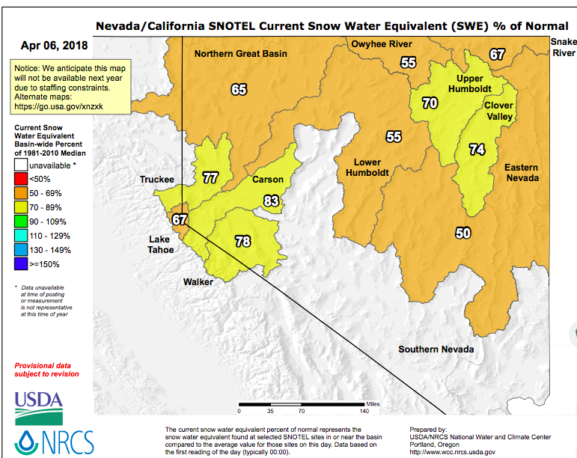
What if the snow that once blanketed Nevada’s peaks like a pristine quilt now clings to existence like a forgotten sweater in the back of a closet? The state’s snowpack, a vital lifeline for water supplies, has dwindled to a mere 17% of its median—a stark reminder of how climate shifts can unravel even the most predictable of natural rhythms. This isn’t just a statistic; it’s a harbinger of challenges that ripple through ecosystems, economies, and daily life. As Nevada grapples with this environmental crisis, the question lingers: How did we arrive at this precipice, and what lies ahead if the snow refuses to return?
The Vanishing White Gold: A Crisis in the Making
Nevada’s snowpack, often referred to as “white gold,” has long been the unsung hero of the state’s water security. Fed by winter storms that deposit snow in the Sierra Nevada and other mountain ranges, this frozen reservoir melts gradually, replenishing rivers and aquifers that sustain agriculture, cities, and wildlife. Yet this year, the snowpack’s scarcity exposes a troubling trend: a decade of erratic precipitation, rising temperatures, and shifting weather patterns have conspired to shrink this critical resource. The 17% median figure isn’t just a blip—it’s a symptom of a larger, systemic imbalance that threatens to redefine Nevada’s relationship with water.
From Peaks to Pipelines: The Domino Effect of Scarcity
The repercussions of a diminished snowpack extend far beyond the mountains. Nevada’s agricultural heartlands, which rely on irrigation from snowmelt-fed reservoirs, face the specter of reduced crop yields and economic strain. Cities, too, are not immune; as groundwater levels dip, the cost of extraction rises, pushing utilities to seek alternative sources or impose stricter conservation measures. Even the state’s famed tourism industry, buoyed by winter sports and scenic landscapes, could falter if the snow fails to return. The dominoes are already in motion, and the question isn’t whether they’ll fall—but how hard.
Adaptation or Austerity: The Path Forward
Nevada’s predicament forces a reckoning with adaptation. Innovations like wastewater recycling, cloud seeding, and desalination plants are no longer futuristic concepts but urgent necessities. Yet these solutions come with their own challenges—high energy demands, environmental trade-offs, and the need for unprecedented cooperation among stakeholders. Meanwhile, the state must also confront the cultural shift required to normalize water conservation, from xeriscaping in urban areas to rethinking industrial practices. The clock is ticking, and the margin for error is slim.
A Glimmer of Hope: Lessons from the Past
History offers a glimmer of hope. Nevada has weathered droughts before, and resilience has been its hallmark. Indigenous communities, for instance, have long practiced sustainable water management, offering blueprints for coexistence with arid landscapes. Modern science, too, is uncovering new ways to stretch every drop, from soil moisture sensors to AI-driven water allocation systems. The key lies in balancing innovation with humility—acknowledging that nature’s rhythms can no longer be taken for granted.
The snowpack’s decline is more than an environmental crisis; it’s a test of human ingenuity and adaptability. As Nevada stares into the abyss of scarcity, the choices made today will echo for generations. Will the state rise to the challenge, or will it be another cautionary tale of a world out of balance? The answer lies not in the snow that falls, but in the actions that follow.