Lake Tahoe Basin Snowpack Crash: How Nevada Will Survive the Summer
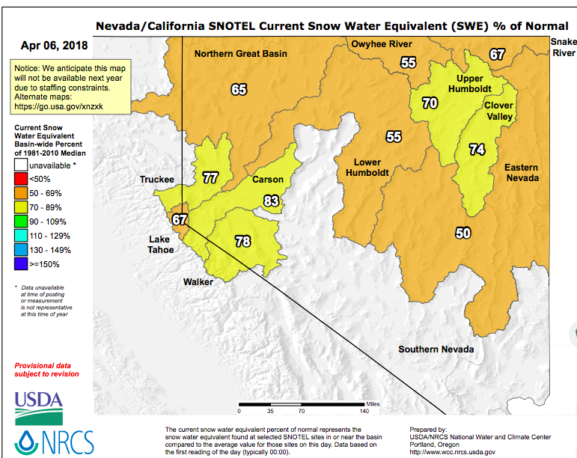
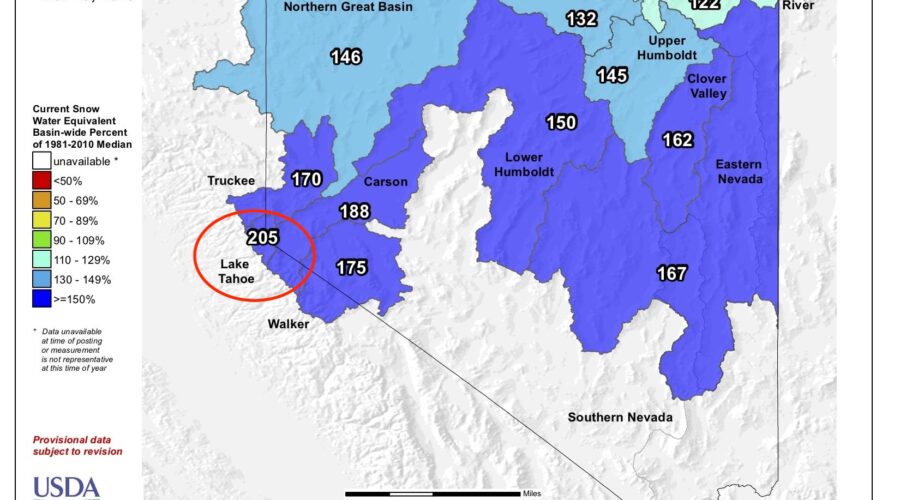
The Lake Tahoe Basin’s snowpack has plummeted at a pace unseen in decades, leaving behind a landscape that whispers of a summer unlike any other. What once stood as a towering fortress of winter’s bounty now resembles a skeletal remnant of its former self, its once-pristine white veneer melted into a patchwork of exposed granite and parched earth. The implications stretch far beyond the shoreline, threading through Nevada’s fragile ecosystems, its water-dependent communities, and the delicate balance of power that sustains the region. This isn’t merely a seasonal shift—it’s a reckoning, one that demands we confront the fragility of our reliance on snowmelt and the ingenuity required to endure what comes next.
The Vanishing Snow: A Harbinger of Scarcity
The snowpack’s collapse is not an isolated anomaly but a symptom of a broader climatic unraveling. Measurements that once promised abundance now read like a cautionary tale: a fraction of historical norms, a fraction of the water Nevada’s rivers and reservoirs depend on. The Sierra Nevada, the lifeblood of the Tahoe Basin, has surrendered its usual winter reserves with alarming swiftness. Streams that should be roaring with snowmelt trickle like forgotten faucets, while groundwater tables sink deeper into the earth. This isn’t just a loss of water—it’s a loss of predictability, a destabilization of the rhythms that have governed life here for generations.
Nevada’s Water Tightrope: Balancing Demand and Dwindling Supply
Nevada’s urban centers and agricultural heartlands are perched on a precipice, their survival hinging on a resource that no longer behaves as it once did. Las Vegas, a city that has defied desert logic through sheer willpower and engineering, now faces a new adversary: the evaporation of its primary water source. The Colorado River, already a battleground of competing interests, grows more contentious with each passing season. Meanwhile, rural communities, often the first to feel the pinch, watch as their wells falter and their livelihoods teeter. Conservation measures, once reactive, must now become proactive—a shift from scarcity management to resilience engineering.
The Ecological Domino Effect: When Snowpack Fails, Life Follows
The Tahoe Basin’s flora and fauna are not passive spectators to this transformation. The absence of snow exposes delicate alpine ecosystems to the ravages of drought, turning once-lush meadows into brittle wastelands. Species adapted to snowpack-dependent cycles—from the hardy whitebark pine to the elusive Sierra Nevada bighorn sheep—face existential threats. Aquatic life, too, suffers as stream temperatures rise and flows dwindle, disrupting spawning grounds and food chains. This is not just an environmental concern; it’s a biological unraveling, one that could reshape the region’s biodiversity for decades to come.
Innovation in the Face of Crisis: Nevada’s Path Forward
Yet, where there is collapse, there is also opportunity. Nevada’s response must be as multifaceted as the crisis itself. Desalination plants, though energy-intensive, could supplement dwindling freshwater reserves. Advanced water recycling systems, already pioneered in some municipalities, offer a lifeline for both urban and agricultural use. Groundwater recharge projects, once a niche strategy, now demand urgent expansion. Even behavioral shifts—from xeriscaping to rainwater harvesting—must become ingrained in the cultural fabric. The state’s survival hinges not on a single solution but on a mosaic of innovation, each piece critical to the whole.
The Lake Tahoe Basin’s snowpack may have vanished, but the story it leaves behind is far from over. Nevada stands at the precipice of a summer that will test its adaptability, its foresight, and its resolve. The choices made in the coming months will echo through generations, determining whether this crisis becomes a collapse or a catalyst for transformation. One thing is certain: the old ways will not suffice. The future belongs to those who can reimagine their relationship with water, with the land, and with the relentless march of change.