The 17% Snowpack Reality: Nevada’s Water Supply in Peril
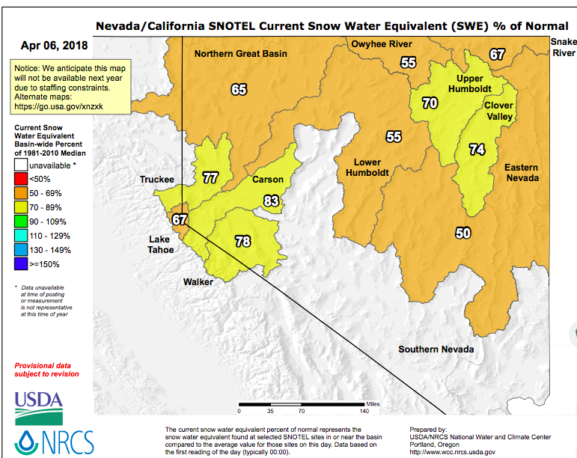
What if the snow on Nevada’s peaks, that once blanketed the mountains in a thick, life-giving shroud, now clings to existence like a whisper of its former self? At just 17% of its average, the state’s snowpack teeters on the edge of a precipice, threatening to plunge the region into a water crisis that could reshape life as we know it. This isn’t just a dry statistic—it’s a harbinger of change, a silent alarm echoing through the valleys and canyons where water has always flowed freely. The question isn’t whether Nevada will face scarcity, but how soon—and how fiercely—it will strike.
The Vanishing Crown of the Sierra Nevada
The Sierra Nevada, Nevada’s primary water tower, once cradled a snowpack so bountiful it could rival the depths of winter’s most generous embrace. Today, that crown is tarnished, its once-glittering surface reduced to a skeletal remnant. Snowpack acts as nature’s reservoir, storing water in frozen form to release it gradually as temperatures rise. But with only 17% of the historical average, the system is faltering. The culprit? A relentless trifecta of warming temperatures, erratic precipitation, and the long shadow of climate change. Each degree of warming shrinks the snowpack further, while droughts stretch like endless summers, leaving the mountains barer than they’ve been in decades. The implications are stark: less snow means less water trickling into rivers, reservoirs, and ultimately, the taps of Las Vegas, Reno, and every town in between.
From Reservoirs to Rationing: The Domino Effect
Nevada’s water infrastructure, a marvel of engineering designed to harness the Sierra’s bounty, now faces an existential test. Lake Mead, the colossal reservoir fed by the Colorado River, stands as a sentinel of the state’s water security. But with dwindling snowmelt, its levels have plummeted, inching closer to the dreaded “dead pool” threshold where water can no longer be extracted. The Southern Nevada Water Authority has already implemented aggressive conservation measures, from banning ornamental grass to incentivizing turf removal. Yet, these efforts are but a bandage on a gaping wound. Urban centers, though resilient, are not immune to the ripple effects. Agricultural sectors, particularly in northern Nevada’s high-desert valleys, are bracing for cuts that could cripple livelihoods. The dominoes are falling, and the question lingers: when will the last one topple?
The Unseen Victims: Ecosystems on the Brink
Beyond the human realm, Nevada’s ecosystems are paying the steepest price. The Truckee River, a lifeline for Reno and its surrounding wetlands, depends on snowmelt for its flow. As the snowpack dwindles, the river’s pulse weakens, threatening the survival of native fish like the Lahontan cutthroat trout and the delicate balance of riparian habitats. Wetlands, those vital sponges that filter water and support biodiversity, are drying into cracked mudflats. Even the state’s iconic wildlife, from mule deer to sage grouse, faces habitat loss as vegetation withers under the strain of prolonged drought. These silent crises often go unnoticed until the damage is irreversible—a cruel irony in a state that prides itself on its untamed beauty.
Adaptation or Collapse: Can Nevada Reinvent Its Water Future?
Survival in the face of such adversity demands innovation. Nevada is no stranger to ingenuity; it has turned scarcity into an art form, from recycling wastewater to drilling deep into ancient aquifers. Yet, the challenges ahead are unprecedented. Desalination plants, though energy-intensive, could offer a lifeline if paired with renewable energy sources. Underground water banking, where excess water is stored in aquifers for future use, presents another avenue. But these solutions require not just investment, but a cultural shift—a recognition that water is not an infinite resource to be taken for granted. The state must also confront the elephant in the room: growth. Las Vegas, a city that thrives in the desert, cannot continue expanding without reimagining its relationship with water. The era of reckless consumption is over; the age of stewardship has begun.
The 17% snowpack is more than a statistic—it’s a wake-up call etched into the mountains themselves. Nevada stands at a crossroads, where the choices made today will determine whether it flourishes or falters in the decades to come. The snow may be melting, but the time to act is now, before the last flakes disappear into memory.