Lake Tahoe Snowpack at 17%: Ski Resorts and Summer Water Both Suffer
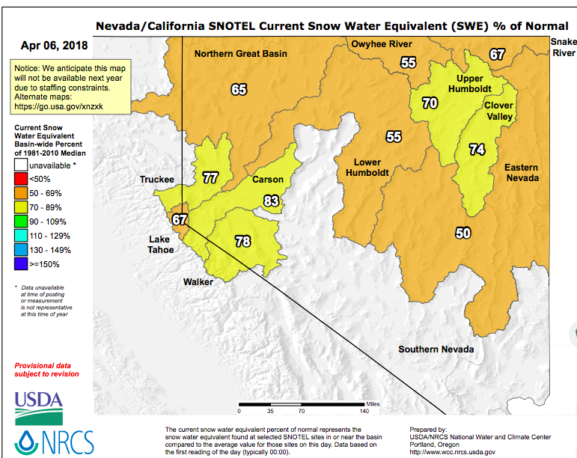
The Sierra Nevada’s crown jewel, Lake Tahoe, is facing a crisis that extends far beyond its shimmering blue expanse. Beneath the surface of its famed alpine waters lies a story of diminishing snowpack—a silent, creeping specter that threatens not just the winter playground of skiers and snowboarders, but the very lifeblood of the region’s summer vitality. At a mere 17% of its historical average, the snowpack is no longer a fleeting inconvenience but a harbinger of change, reshaping the landscape in ways both visible and insidious. This is not merely a seasonal anomaly; it is a paradigm shift, one that demands a closer look at the intricate dance between snow, water, and the communities that depend on them.
The Vanishing Blanket: A Winter Waning
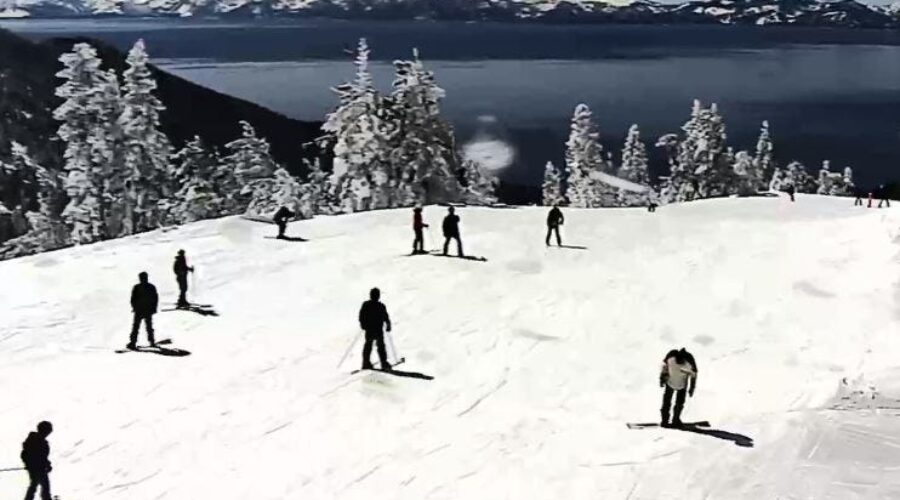
The snowpack, often likened to a vast, frozen quilt draped over the mountains, is thinning at an alarming rate. What was once a thick, insulating layer—capable of storing water equivalent to a year’s supply for millions—now resembles a tattered remnant, barely clinging to the peaks. Ski resorts, the lifeblood of Tahoe’s winter economy, are grappling with the consequences. Trails that once boasted powdery abundance now reveal patches of earth, forcing resorts to rely on artificial snowmaking to salvage the season. The irony is stark: in an era where winter sports are more popular than ever, the very foundation of the experience is eroding beneath our feet.
This isn’t just a loss of recreation; it’s a loss of identity. Tahoe’s ski resorts are more than just destinations—they are cathedrals of winter, where the crisp air and pristine slopes have drawn generations of enthusiasts. The diminished snowpack doesn’t just shorten seasons; it alters the character of the sport itself. Powder turns, once a given, now feel like a rare gift, bestowed sparingly and unpredictably. The resorts, in a desperate bid to adapt, are investing in snow farming and cloud-seeding, but these are stopgap measures, not solutions. The heart of Tahoe’s winter magic is beating weaker, and no amount of technological intervention can fully restore what the climate has taken.
Thirsty Summers: The Ripple Effect on Water Supplies
The consequences of a dwindling snowpack extend far beyond the ski season. Lake Tahoe’s water levels are inextricably linked to the snowmelt that feeds its tributaries and replenishes its basin. With less snow to melt, the lake’s water supply dwindles, threatening the delicate balance of the ecosystem. Drought conditions, once a seasonal concern, now loom as a year-round specter. Farmers, municipalities, and wildlife all depend on this water, and as the snowpack shrinks, so too does their security.
Consider the alpine meadows that burst into wildflower displays each summer, fed by the slow, steady trickle of melting snow. Without it, these meadows wither, their vibrant hues replaced by the dull brown of parched earth. The fish populations that thrive in Tahoe’s tributaries face habitat loss, their spawning grounds drying up before they can complete their life cycles. Even the clarity of the lake itself is at risk, as reduced snowmelt means less sediment is flushed from the system, clouding the once-pristine waters. Tahoe’s summer allure—its turquoise depths and lush shorelines—is under siege, not from a single catastrophic event, but from the slow, inexorable creep of change.
The Human Equation: Communities on the Edge
The impact of a diminished snowpack is not felt in isolation; it ripples through the communities that call Tahoe home. Small businesses, from ski shops to cafes, rely on the winter influx of visitors. With shorter seasons and fewer powder days, their revenue streams are thinning, forcing layoffs and closures. Local governments, already stretched thin by the high cost of living and infrastructure maintenance, must now contend with shrinking tax bases and increased demand for water conservation programs. The very fabric of Tahoe’s economy is fraying at the edges.
Yet, there is resilience in these communities. Innovative minds are turning to sustainable tourism, promoting summer activities like hiking and mountain biking to offset the winter losses. Others are advocating for policy changes, pushing for stricter water conservation measures and investments in renewable energy to reduce the region’s carbon footprint. The challenge is daunting, but the spirit of Tahoe endures—a testament to the human capacity to adapt, even in the face of profound change.
A Call to Action: Stewardship in an Era of Change
The story of Tahoe’s snowpack is not just a local concern; it is a microcosm of the global climate crisis. The choices we make today will determine the fate of this iconic landscape tomorrow. Whether through individual actions—reducing water usage, supporting sustainable businesses—or collective efforts to advocate for climate policy, the responsibility falls on all of us. Tahoe’s future is not yet written, but it is being drafted in the choices we make now.
The lake’s waters may shimmer as brightly as ever, but beneath the surface, the currents are shifting. The snowpack is a barometer of change, a silent witness to the delicate interplay between nature and human activity. To preserve Tahoe’s magic—for the skiers, the hikers, the wildlife, and the communities that depend on it—we must act with urgency and foresight. The time to act is not when the snow is gone, but before it becomes a memory.