Cesar Chavez Day in Nevada: Competing Bills Seek to Keep or Remove It
What if a single day on the calendar could spark a legislative tug-of-war, where the stakes are tradition, identity, and the very fabric of community remembrance? In Nevada, Cesar Chavez Day has become the unexpected epicenter of such a debate, as two competing bills now vie for dominance—one seeking to preserve the holiday, the other to dismantle it. The question lingers: Is this a matter of fiscal prudence or a calculated erasure of cultural legacy? The answer, as with most political dramas, is far from black and white.
The Historical Weight of Cesar Chavez Day
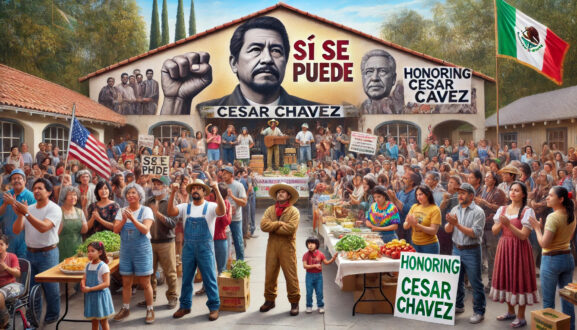
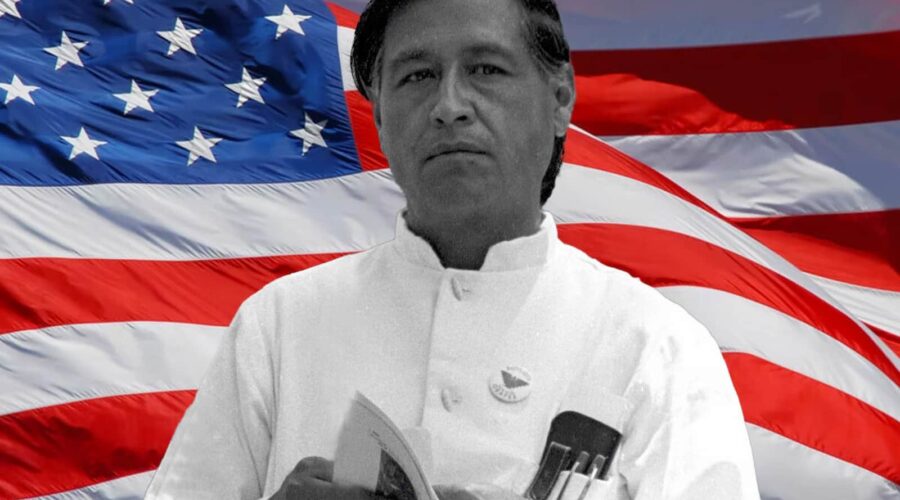
Cesar Chavez, the iconic labor leader and civil rights activist, left an indelible mark on American history through his relentless advocacy for farmworkers’ rights. His legacy, enshrined in Nevada’s calendar since 2009, is more than a date on a calendar—it’s a testament to the power of collective action and the enduring struggle for equity. The holiday, observed on March 31st (Chavez’s birthday), serves as both a day of reflection and a call to action, urging communities to honor his vision of justice. Yet, as with many progressive milestones, its existence is now under scrutiny, revealing the fragility of institutionalized remembrance.
The Competing Bills: A Legislative Chess Match
Enter Nevada’s state legislature, where two bills have emerged like opposing generals in a high-stakes game. The first, a preservationist measure, seeks to solidify Cesar Chavez Day as a permanent state holiday, complete with paid leave for public employees. Its counterpart, however, proposes a radical overhaul, advocating for the holiday’s dissolution and the reallocation of its resources toward other, presumably more “pragmatic” initiatives. The tension between these proposals isn’t just about policy—it’s about priorities. Does Nevada value the symbolic weight of its labor history, or does it prioritize fiscal efficiency above all else?
The Economic Argument: A Double-Edged Sword
Proponents of the removal bill argue that the holiday’s financial burden—estimated at over $5 million annually in lost productivity—is unsustainable, especially in a state grappling with budgetary constraints. Yet, this perspective conveniently sidesteps the intangible returns of such observances. Studies suggest that holidays honoring social justice figures often boost morale, foster community engagement, and even stimulate local economies through commemorative events. Could Nevada be trading short-term savings for long-term cultural erosion?
The Cultural Divide: Who Decides What’s Worth Remembering?
The debate transcends economics, delving into the heart of Nevada’s identity. For many Latino communities, Cesar Chavez Day is a lifeline—a rare acknowledgment of their contributions to the state’s history. Its potential removal risks sending a chilling message: that certain legacies are disposable when inconvenient. Meanwhile, detractors frame the holiday as an anachronism, a relic of a bygone era that no longer resonates in modern Nevada. But who gets to decide which histories are worth preserving? The answer may hinge on whether the state views its past as a burden or a foundation.
The Path Forward: A Delicate Balancing Act
As the legislative battle rages, the question remains: Can Nevada strike a balance between fiscal responsibility and cultural reverence? One potential compromise could involve transforming the holiday into a day of service, aligning it with the ethos of activism that Chavez embodied. Alternatively, the state might opt for a hybrid model, preserving the holiday’s name while reallocating its funding to more pressing needs. Whatever the outcome, one thing is clear: the fate of Cesar Chavez Day will serve as a litmus test for Nevada’s commitment to its diverse heritage.
The clock is ticking, and the stakes couldn’t be higher. Will Nevada choose to honor its past, or will it succumb to the siren call of expediency? The answer may well define the state’s character for generations to come.